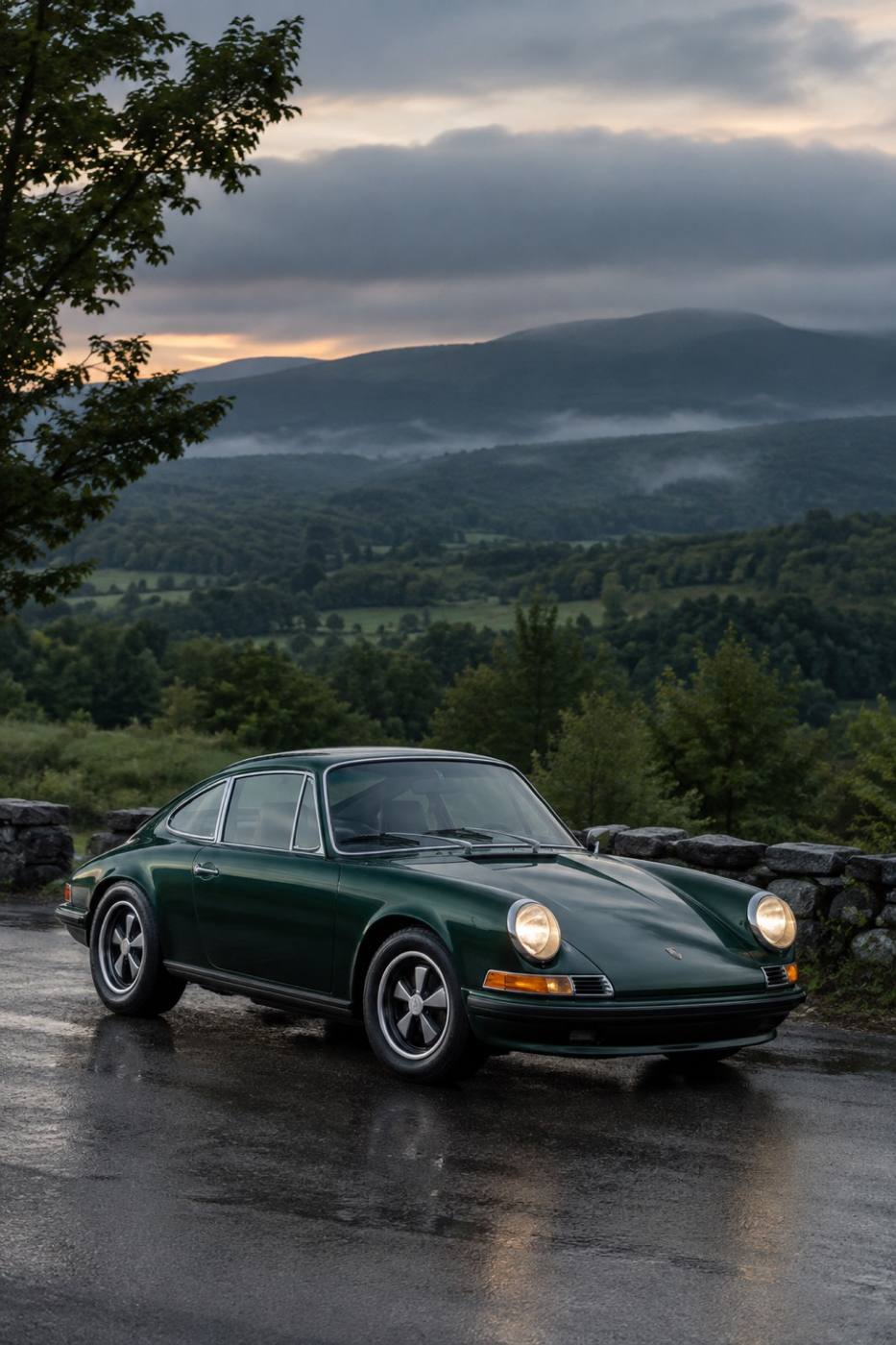
Burlington, Vermont · EV conversion workshop

Every conversion starts with a blueprint.

Custom electric conversions for cars, RVs and powersports — battery pack, motor, controller and charging, engineered around the vehicle you already own.

Feasibility comes first. We survey the vehicle and tell you straight whether it converts well — before any drafting starts.

Drawing — Plan view Chassis / battery / drive
Plan-view drawing of a converted vehicle chassis Line drawing of a vehicle in plan view showing the chassis outline, four wheel positions, front and rear axle centres, the traction battery pack between the axles, the controller ahead of the pack, and a track and wheelbase dimension line below.
  • Front and rear axle centres
  • Traction battery pack and enclosure
  • Controller and power electronics
  • Track and wheelbase datum
Sheet 01 — Chassis layout Scale: not to scale

01 — Schematics

Six systems, drafted to fit one vehicle.

Every commission is drawn from the chassis up. These are the systems we design, source and install — in whatever combination your vehicle actually needs.

  1. 01

    EV conversion

    Drivetrain out, electric in. We strip the original powertrain, map the mounting points and rebuild the vehicle around a battery-electric system that respects its weight and character.

    Drivetrain
  2. 02

    Battery packs

    Pack architecture, enclosure and thermal layout designed around the volume your chassis genuinely gives us — not around a catalogue box that almost fits.

    Energy
  3. 03

    Motor installation

    Motor and reduction mounting fabricated and aligned to the chassis itself. Adapters where adapters are right; custom mounts where they are not.

    Driveline
  4. 04

    Controller tuning

    Throttle maps, regenerative braking and current limits calibrated to the weight, gearing and intended use of the finished vehicle.

    Calibration
  5. 05

    Donor vehicle sourcing

    Not sure which platform converts cleanly? We survey candidates and tell you honestly what each one will ask for in space, complexity and fabrication.

    Sourcing
  6. 06

    Charging integration

    Onboard and external charging worked into the existing bodywork and electrical architecture, so the finished vehicle charges like it was built that way.

    Interface
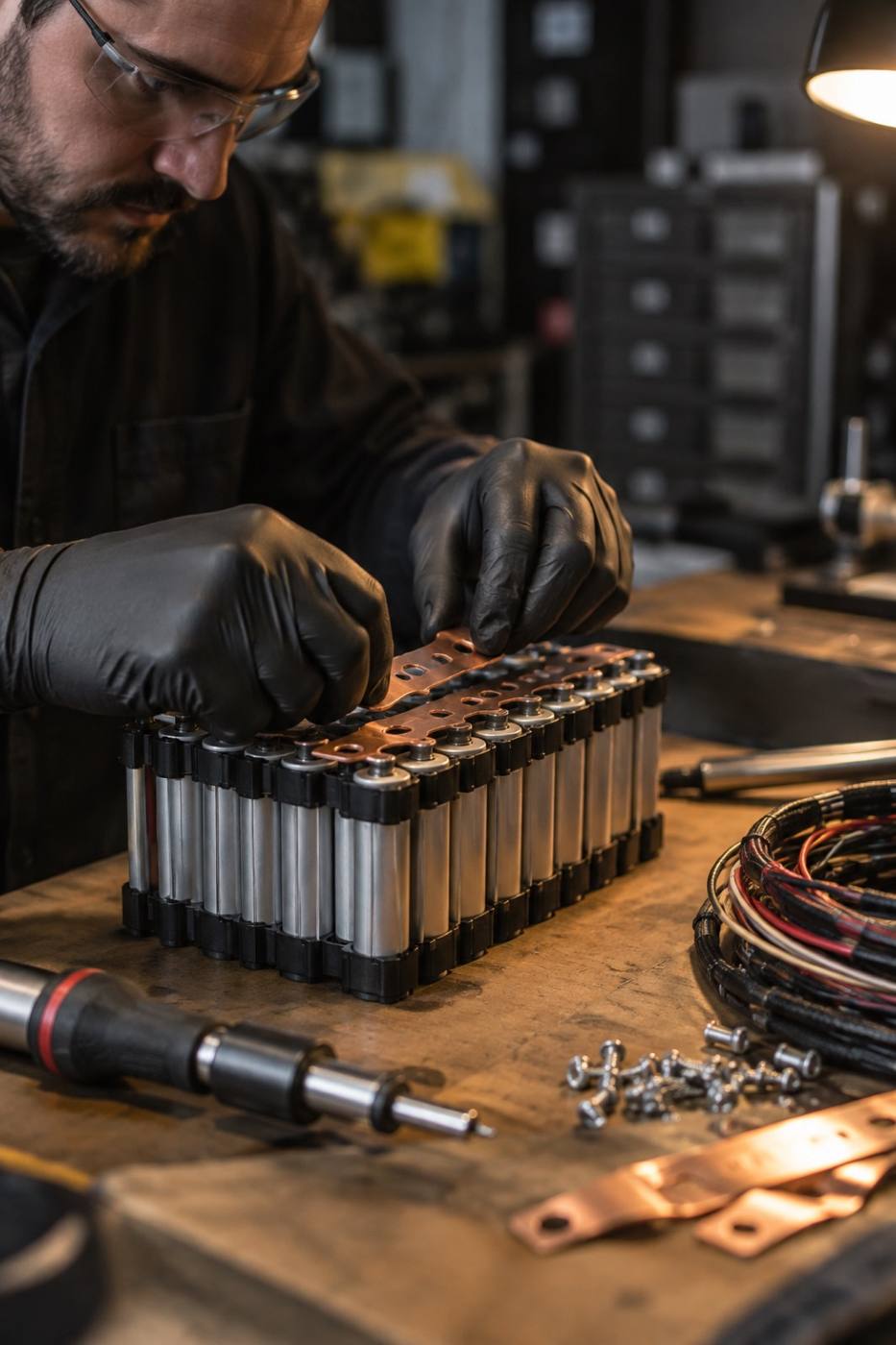
Close view of hands assembling a lithium battery module on a workshop bench
Module assembly — bench

02 — Materials

What goes into the build.

A conversion is only as good as the parts list behind it. We specify each component against the vehicle in front of us, then document the assembly so the build can be serviced years from now.

  • Battery modules and enclosures

    Cell selection, module layout, and a sealed enclosure shaped to the space your chassis actually offers.

  • Traction motors and reduction

    Matched to the weight, gearing and duty cycle of the vehicle — not to whatever is on the shelf.

  • Controllers and inverters

    Power electronics sized with headroom, mounted for airflow and routed clear of the mechanical work.

  • High-voltage wiring and contactors

    Looms built to length, protected at every pass-through, with isolation and disconnects placed for service access.

  • Chargers and inlets

    Onboard charging and external inlet hardware integrated into the bodywork without disturbing the original lines.

  • Mounting and adapter hardware

    Fabricated brackets, plates and couplings, drawn for your chassis and finished in-house.

03 — Field notes

Notes from the shop floor.

Observations by vehicle class

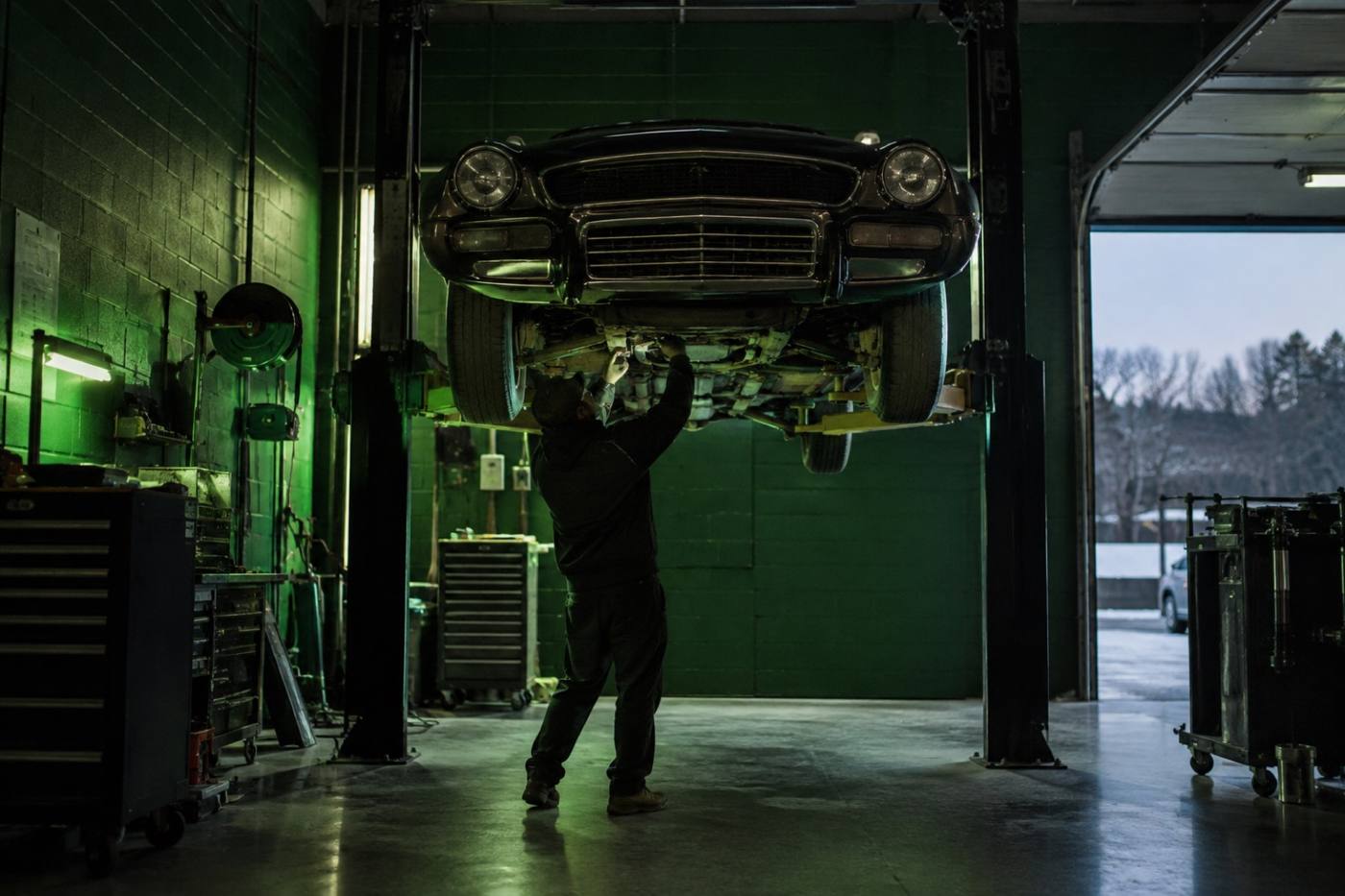
Conversion workshop bay with a classic car raised on a lift and a technician working underneath
Teardown and survey

N—01

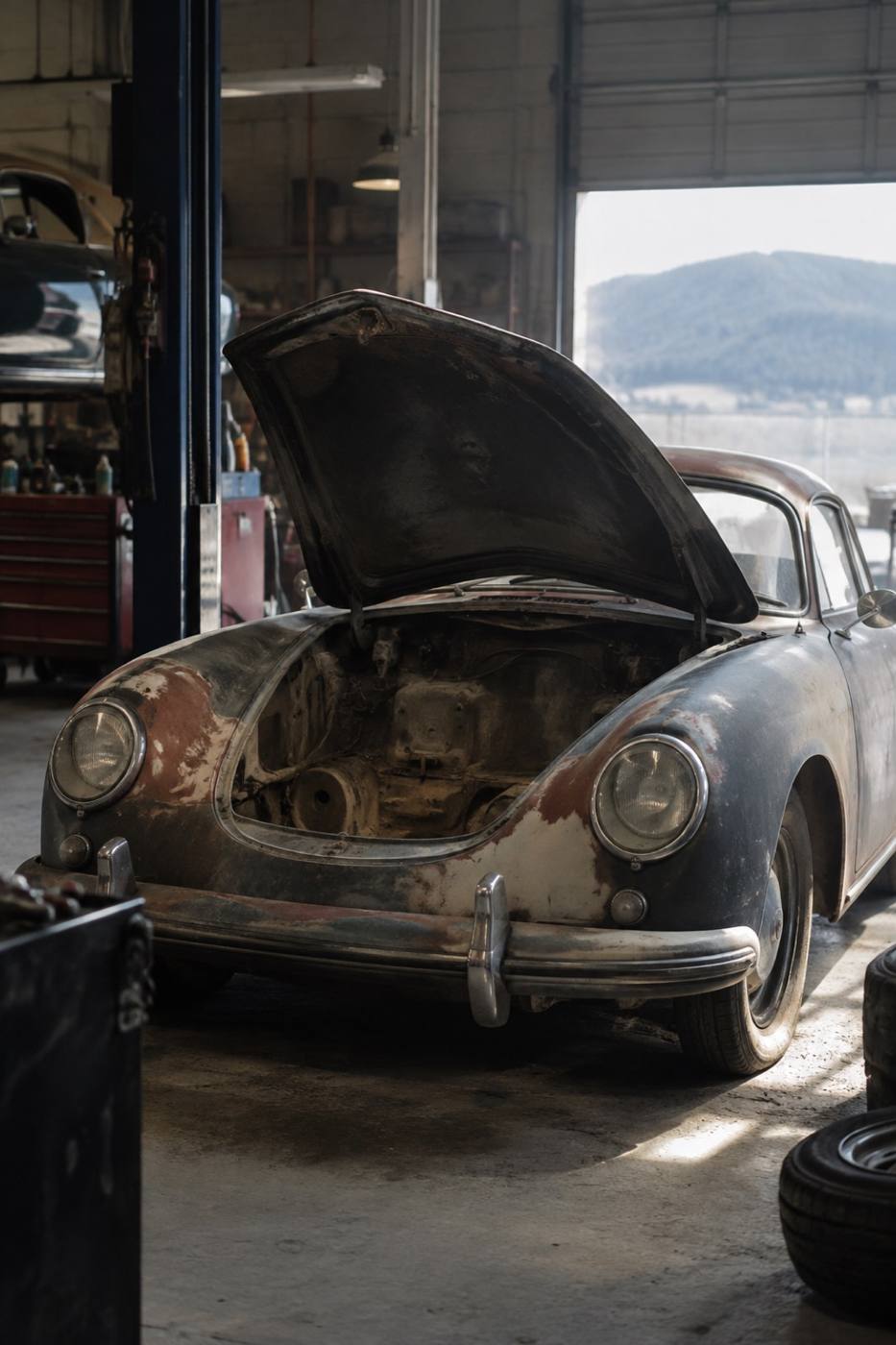
Converted classics

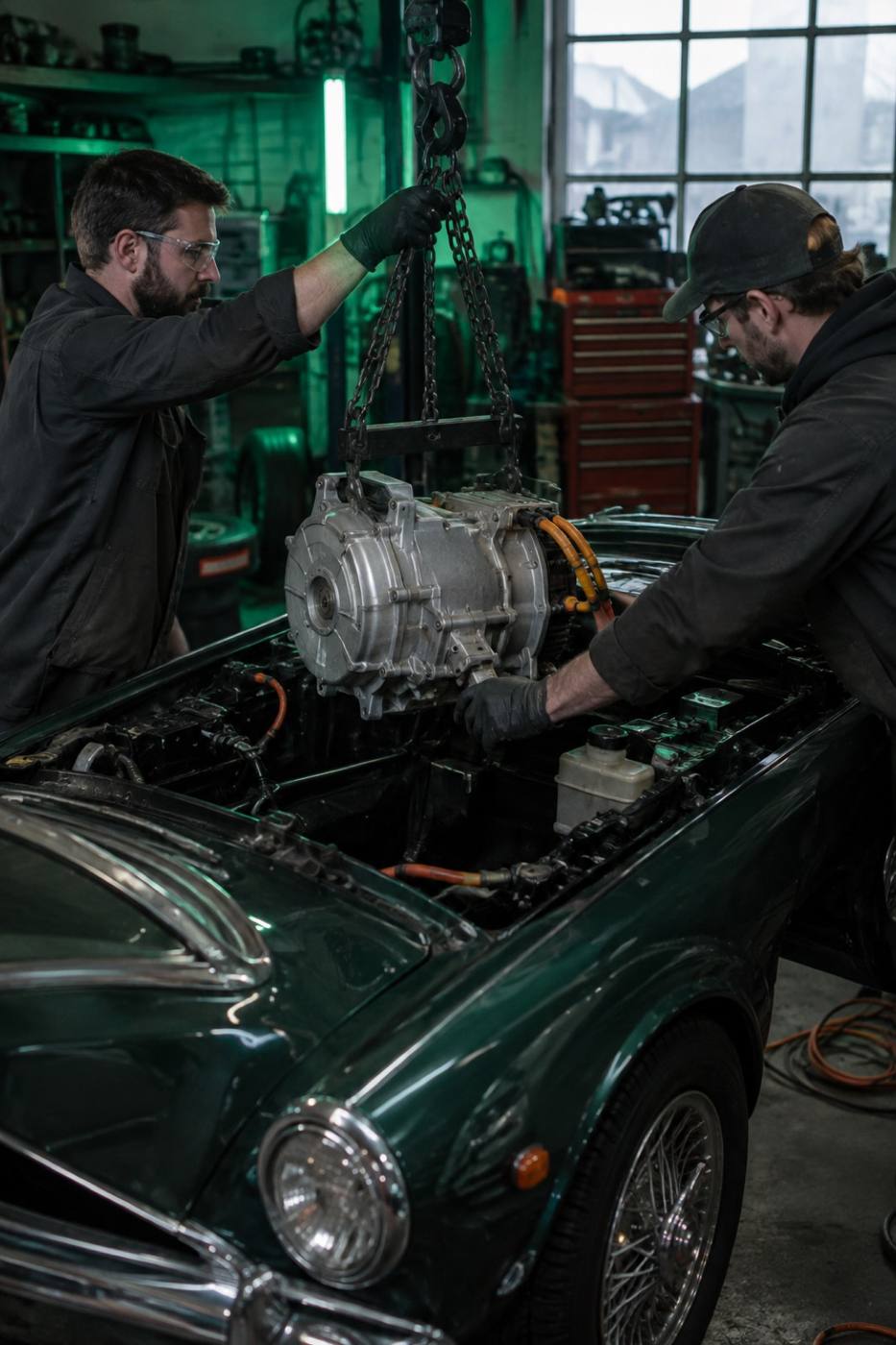
A classic asks for restraint. The bodywork, interior and weight distribution are the whole point, so the pack goes where the mass was and the original lines stay untouched. Most of the drafting time goes into the mounting plan and the routing that no one will ever see.
N—02

RV and camper platforms

An RV is a house with a drivetrain attached, and both sides of that equation draw on the same pack. We spend the feasibility stage working out how much capacity belongs to motion and how much belongs to the living space — then design the enclosure around the result.

N—03

Powersports and off-road

Weight is the entire conversation here. Every enclosure is sealed and every mount is braced against shock loads, because a conversion that survives the trail has to be drafted for the worst case rather than the average one.

05 — Commission request

Start your blueprint.

Tell us what you are working with. Every commission opens with a feasibility conversation — no drafting begins until we both agree the vehicle makes sense.

  1. 01

    Feasibility. A conversation about the vehicle, what you want from it, and whether a conversion is the right answer.

  2. 02

    Blueprint. System layout, mounting plan and component list, drawn for your chassis before anything is cut.

  3. 03

    Build. Fabrication, installation, tuning and a documented handover so the vehicle can be serviced for years.

Feasibility request Volt Forge / Burlington, VT

Cars, RVs and powersports · Burlington, Vermont