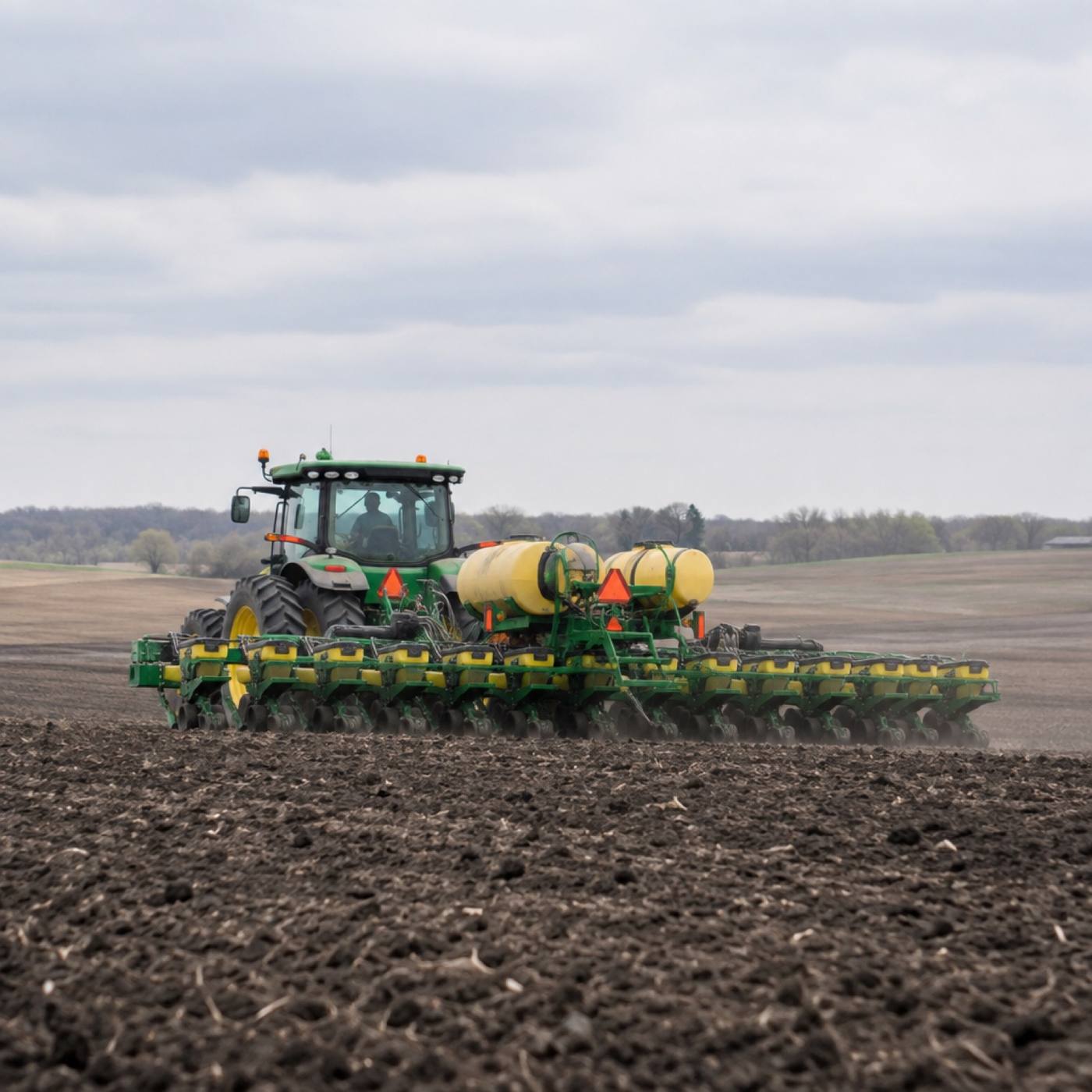
Planting · March–May
ACH origination, co-op payout rails and grain settlement files — built for the season a farm co-op actually runs on.
Start in the sandboxMay–August
The money goes out
Once the crop is in the ground, the co-op’s money starts moving: patronage back to members, per-bushel payments out to the elevator, advances drawn against the season. Trueline runs that movement on rails built for the way a co-op actually operates.
01
One run pays every member: patronage, dividends, equity retirements and per-bushel settlements, each to the account that member chose. Files in, payments out, a return file you can post straight back to the ledger.
02
Origination with the windows a co-op needs: same-day and next-day, prenotes before the first dollar moves, and returns and notices of change handled as they land rather than at month end.
03
Every payment matches back to the member ledger line it came from. Exceptions surface the morning after the run, not the week after, while the fix is still cheap and the member is still on the phone.
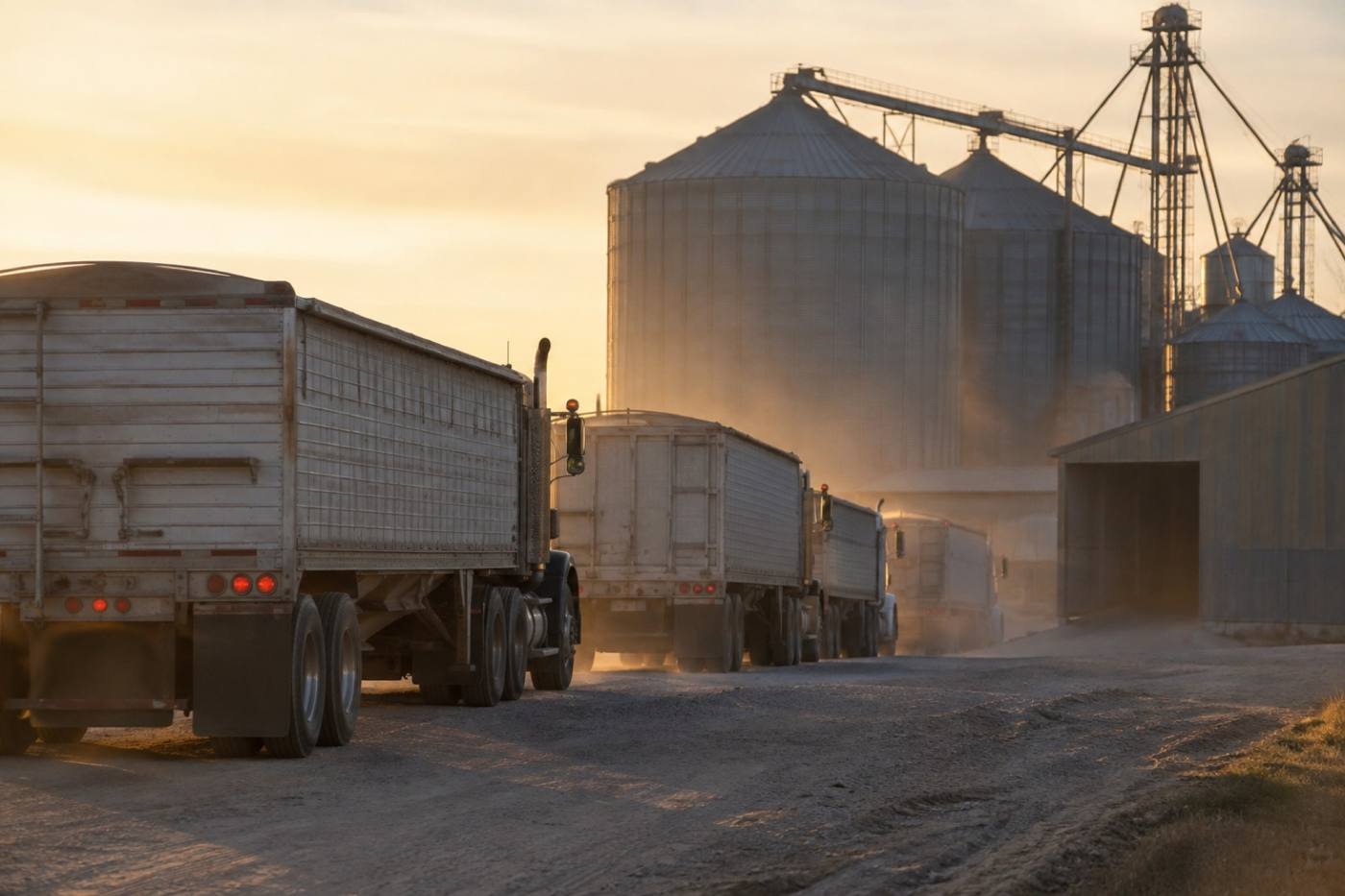
September–November
The grain comes in
Grain settlement is the busiest fortnight of the co-op year. Trueline takes the settlement file as it comes off the scale system and turns it into payments — one member, one line, one number they can check against their own ticket stub.
What a settlement run is made of
01
Bushels, grade, moisture and test weight — one row per load, every row tied to a member number.
02
Gross, drying and storage deductions, net payable. The figure the member already worked out on the way home.
03
Each settlement row matched to a bank account, a name and a tax record the co-op already holds.
04
One ACH file for the whole run, balanced against the settlement total before it goes anywhere.
05
Closed accounts, transposed digits and deceased-member flags, caught on the return file the next morning.
06
A plain-English line the member can read next to their own ticket stub without calling the office.
November–January
Closing the books
Settlement is where a good year gets proved. Every payment run is reconciled line by line, and every anomaly gets a name before it becomes a loss.
New payee accounts are checked against the member record before the first dollar leaves — not after the member calls to say it never arrived.
New accounts and changed bank details move slower for a season, so a reissued payment can’t be diverted the same day it is requested.
Files above the threshold your board sets need a second pair of eyes before they are released, and the release is recorded.
Returns and notices of change feed back into the ledger, so the next run goes to the right account without anyone re-keying it.
February–April
Before the ground thaws
Seed, fuel and fertilizer get paid before the grain does.
A seasonal advance line is drawn in the spring against the crop a member is about to plant, then settled out of the harvest run. Trueline keeps the draw, the ledger and the repayment on one line, so the season closes itself.
Sandbox
Run a settlement file through the whole season — origination, payout rails, reconciliation, returns — before a single dollar of the co-op’s money moves.
A sandbox account runs on test files: your settlement format, your member mapping, your approval rules. No live money moves, and nothing has to be switched over to try it.
See what a settlement run is made of