Spring session · Asheville, North Carolina

Learn what the blooms are telling you.

Sweet Hollow's bee school runs with the spring nectar flow — from the first redbud to the sourwood. Classes follow what the hives are doing that week, so you learn the season as it happens.

Beekeeping 101 · Hive inspections · Honey extraction · Nuc & package bees · Pollinator consulting

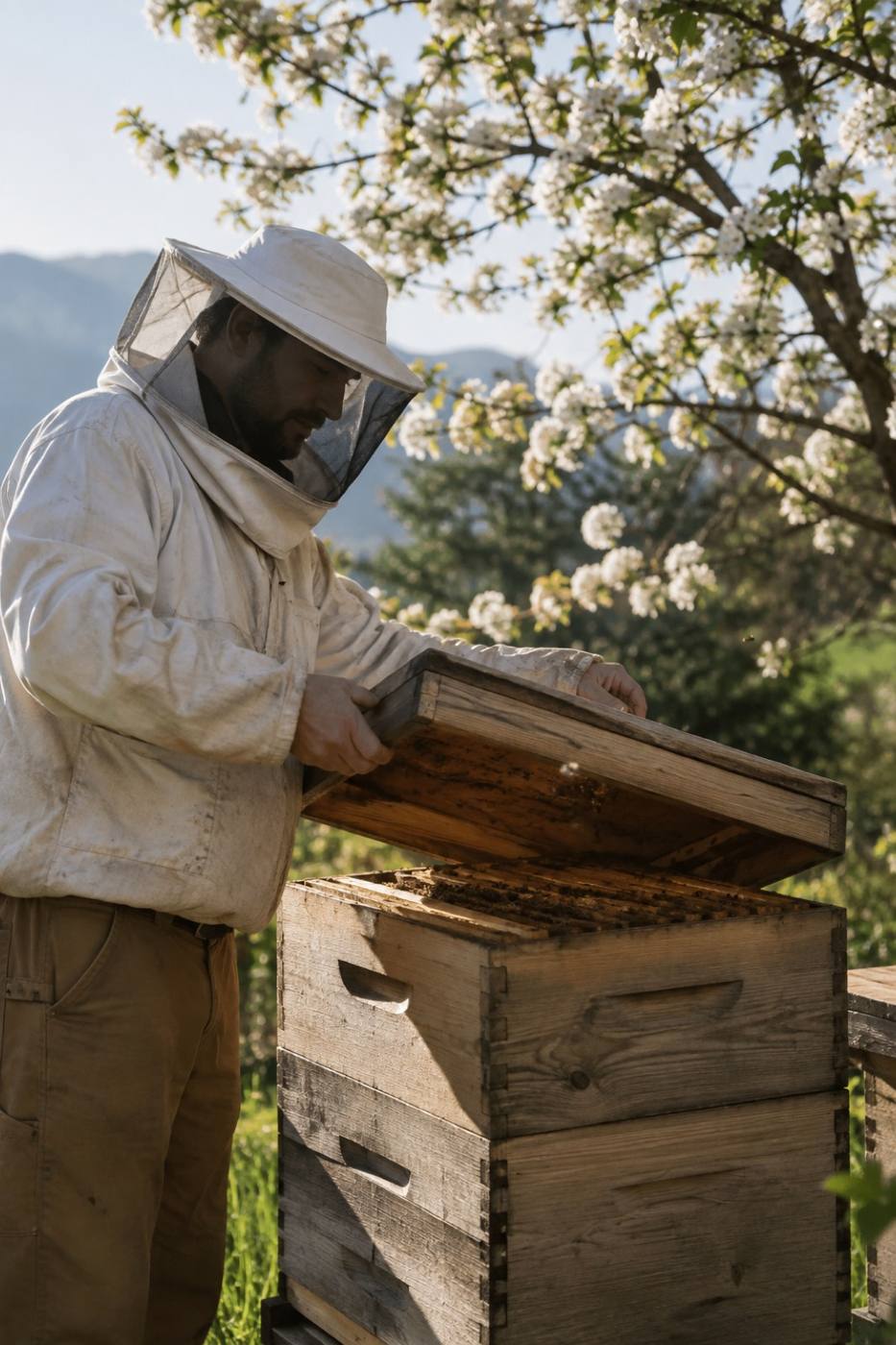
A beekeeper in a veil opening a hive in a spring garden
First course · early bloom

The bloom calendar

The calendar is written in petals.

Spring in the Blue Ridge arrives in layers. Maple and redbud first, then tulip poplar, then the sourwood and clover that make the honey. Our courses are timed to that sequence, so what you learn in the morning you can look for in an open hive the same week.

Take the three stages in order, or start wherever the season finds you — each one stands on its own.

See the three courses ↓

Three stages of spring

  • 01

    Early bloom

    Maple and redbud open and the first flights of the year begin.

  • 02

    Mid bloom

    Tulip poplar and locust; the colony builds fast and needs room.

  • 03

    Late bloom

    Sourwood and clover; surplus honey and the harvest.

Courses

Choose a bloom, choose a class.

Three stages of the spring nectar flow, three hands-on courses built around them. All of them are taught at the Sweet Hollow apiary outside Asheville, and none of them assume you have kept bees before.

01

Early bloom · maple & redbud

Beekeeping 101

A ground-up start for your first season: how a colony actually works, what equipment you need and what you can borrow, and how to read a hive instead of guessing. Built for people who have never opened a lid.

  • FormatHands-on at the Sweet Hollow apiary
  • SeasonEarly bloom, before the nectar flow
  • SuppliesVeils, gloves and tools provided
Enroll in Beekeeping 101
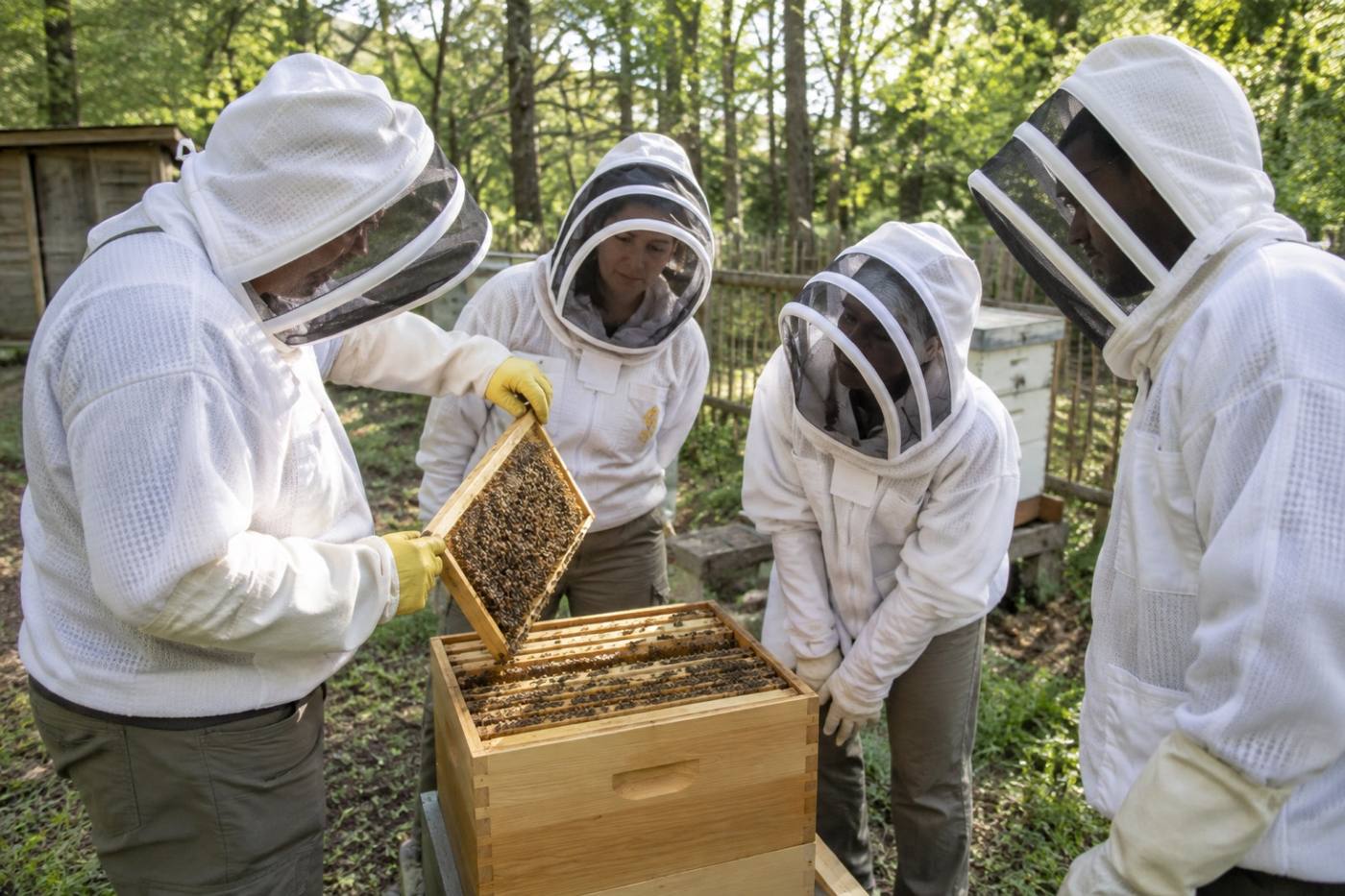
Students in veils gathered around an open hive in a spring apiary
First hive, first spring
02

Mid bloom · tulip poplar & locust

Hive inspections

Stand beside an open colony and learn what you are looking at — brood patterns, queen signs, space and stores. You leave able to walk your own hives with a plan rather than a hope.

  • FormatOut in the apiary, beside an open colony
  • SeasonMid bloom, as the colony builds
  • FocusBrood pattern, queen signs, space and stores
Enroll in hive inspections
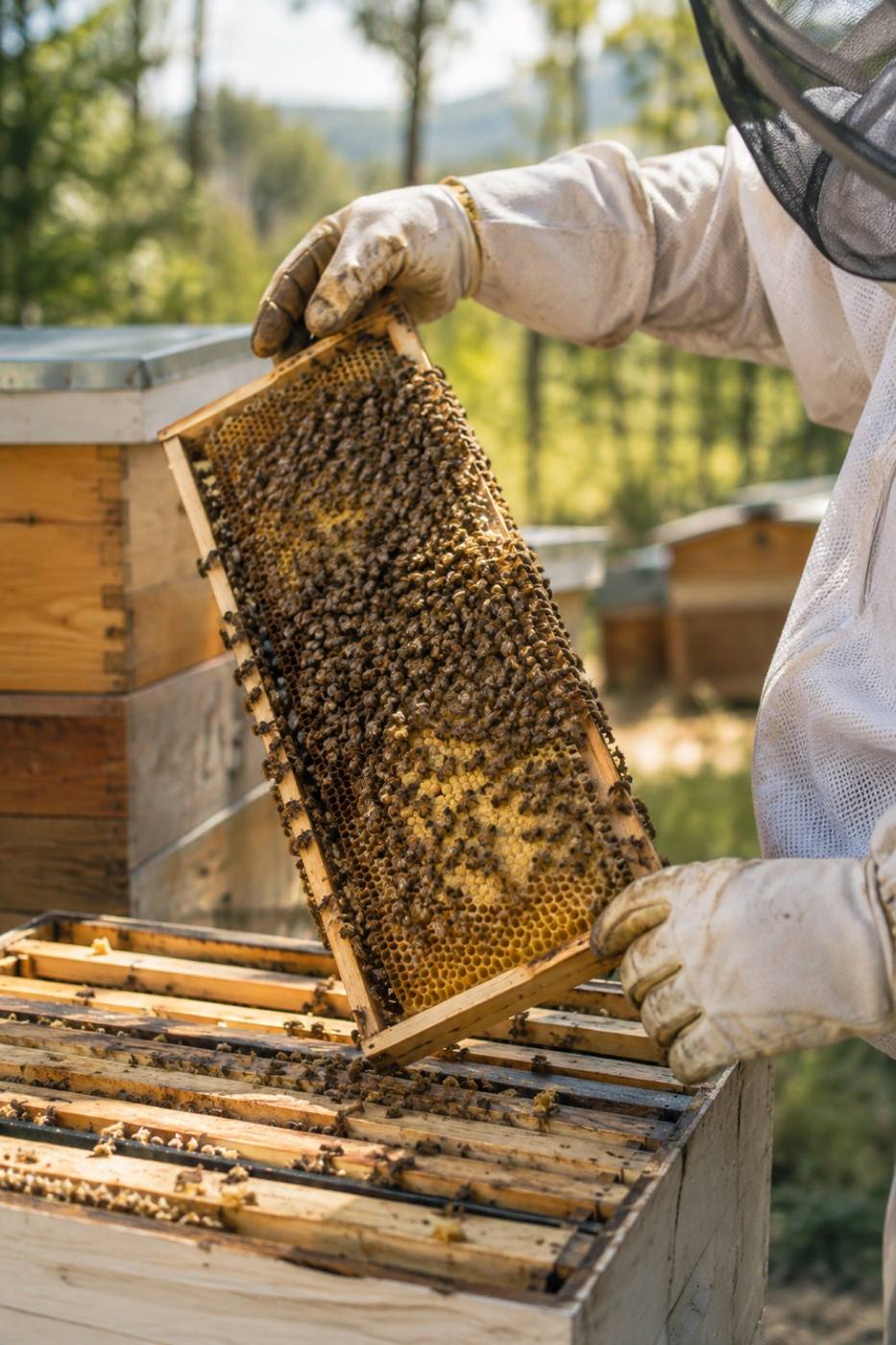
Gloved hands lifting a honeycomb frame heavy with bees from a hive
Reading a frame
03

Late bloom · sourwood & clover

Honey extraction

Uncapping, spinning, straining and cleanup — the whole harvest, frame to jar. Come in clothes you do not mind and expect to be sticky before the morning is out.

  • FormatHands-on in the honey house
  • SeasonLate bloom, after the surplus comes in
  • FocusUncapping, spinning, straining and cleanup
Enroll in honey extraction
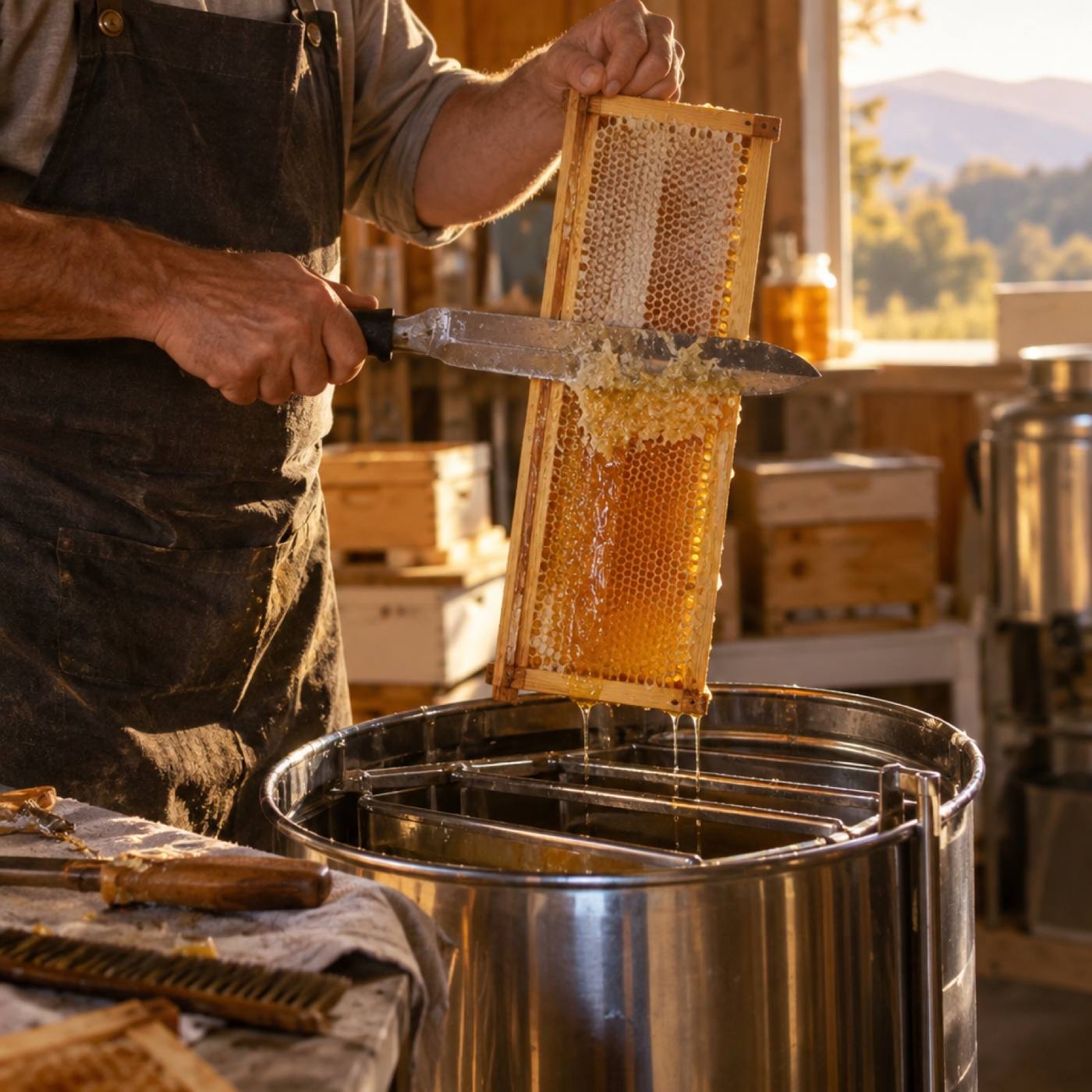
An uncapping knife drawn across a honeycomb frame above a stainless extractor
Frame to jar

Bee sales

The bees arrive before the blooms do.

Sweet Hollow raises nucleus colonies and brings in packages for spring. Both go out as the bloom sequence starts to move — if you are starting a hive this season, speak up while the first petals are still closed.

Nuc colonies

A mated queen on drawn frames with a started colony, ready to move straight into your hive body.

Package bees

A queen and a shook swarm, for beekeepers building a colony up from scratch.

Ask about the arrival window
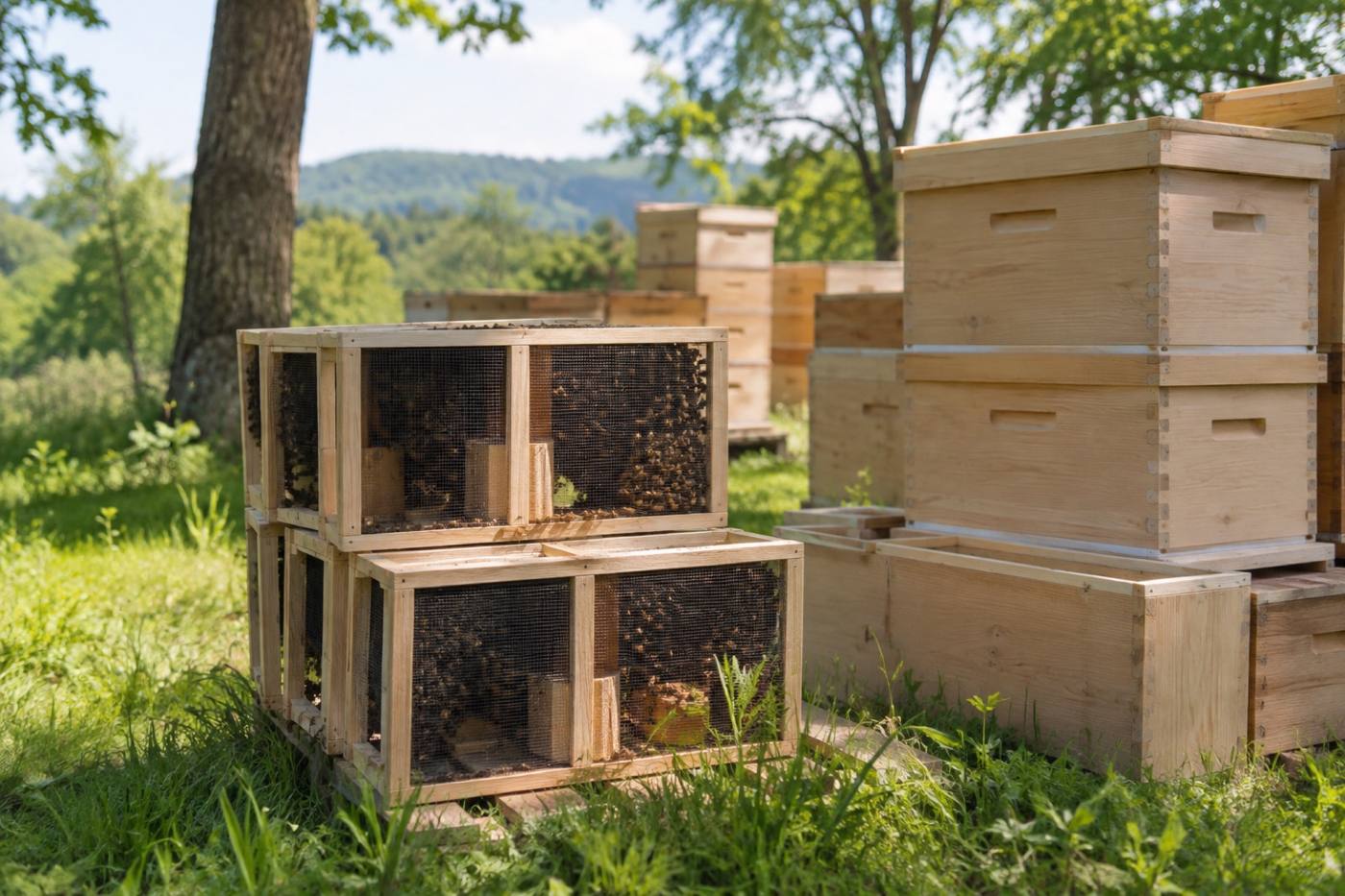
Nucleus colony boxes stacked in a spring yard waiting for pickup
Nuc boxes, spring yard

Garden-side

Pollinator consulting

Not every garden needs a hive. Sometimes it just needs a better plan.

We walk a property the way a forager would: what is blooming when, where the water sits, which corner holds the afternoon sun. Then we write it down for you — planting that feeds pollinators across the season, and hive placement if you decide to keep bees after all.

  • Season-long planting plans for pollinators
  • Hive siting, orientation and windbreaks
  • Spray and pesticide timing around bloom
Book a garden visit

Spring enrollment

When the first blooms speak, class begins.

Tell us where you are in the season and we will point you to the right course — or come to Beekeeping 101 and start at the beginning.

  • Beekeeping 101 — early bloom
  • Hive inspections — mid bloom
  • Honey extraction — late bloom

We will reply with the spring schedule, what to bring, and where to meet.