Superior Ridge Grant Writing Book a readiness call

Grant writing · Duluth, Minnesota

The grant year is a short season. Plant earlier than you think.

Superior Ridge Grant Writing helps nonprofit directors find the funders that actually fit, write the proposal, build the budget behind it, and keep the reporting clean afterwards — so the work happens before the deadline frost, not the night of it.

Free, unhurried, no pitch. We will tell you which season you are actually in.

A desk in a Duluth office with a printed grant proposal, notebook and mug beside a window
Plate 01 A working desk in Duluth, mid-season.

The grant year, at a glance · Four phases, twelve months

  • ProspectingJan–Feb
  • Writing & budgetMar–Jul
  • SubmissionAug–Oct
  • ReportingNov–Dec

The work

Six services, in the order the year needs them.

Grants get lost in the middle: a funder found too late, a budget written the week it is due, a report filed long after the money landed. Here is the whole practice, read left to right.

I

Prospect research

Before anything goes in the ground, you need to know what the soil will hold. We read your programs, your budget and your track record, then map the funders whose guidelines actually match — and the ones that never will.

  • Funder fit screening
  • Guideline review
  • Deadline mapping

Fit first. A perfect proposal to the wrong funder is still a no.

II

Proposal writing

The long middle of the season, when the narrative gets built line by line — program, need, outcomes, evaluation — in your organization's voice and against the funder's review criteria.

  • Proposal writing
  • Federal grant narratives
  • Evaluation and outcomes

Write to the guidelines, not to the word limit.

III

Budget development

Numbers that agree with every word of the narrative. Cost allocation that survives a review, matching funds accounted for, and the attachments the portal will demand at eleven at night if you leave them to the end.

  • Budget development
  • Cost allocation
  • Attachment assembly

If the budget and the narrative disagree, the reviewer will notice.

IV

Reporting compliance

The money lands and the season keeps going: interim and final reports, records kept clean, and the compliance details that quietly decide whether a funder invites you back next year.

  • Reporting compliance
  • Interim & final reports
  • Funder check-ins

The report is part of the grant, not paperwork after it.

The year, marked

Frost dates, in grant form.

Every season has a frost date. We build your grant calendar backwards from it, so the planting happens in the months nobody thinks about.

  1. Late winter · Jan–Feb

    Prospect research

    Funder lists get built now, not in the week before a deadline. Fit screening, guidelines gathered, and every date written onto one page you can keep on the wall.

  2. Spring & summer · Mar–Jul

    The narrative and the budget

    Program description, need, outcomes and evaluation, written in your voice and matched to the funder's criteria — with numbers that agree with every word of it.

  3. Before first frost · Aug–Oct

    Submission

    Assembly, final read-through, portal upload. Finished with days to spare instead of hours, which is the only real difference between a calm submission and a memorable one.

  4. Winter · Nov–Dec

    Reporting and compliance

    Reports filed on time, records kept clean, and a note on what to plant next season — including the funders worth going back to.

Field notes

Nobody plants in June and expects tomatoes in June.

The short-season rule, applied to a grant year

Superior Ridge Grant Writing is a grant writing practice in Duluth, Minnesota, working with nonprofit directors across the Northland — prospect research, proposal writing, federal grant narratives, budget development, reporting compliance and board fundraising coaching.

One season at a time, in the order the year actually happens.

Hands annotating a printed grant narrative with a pencil on a light wood table
Plate 03 A narrative under the pencil.
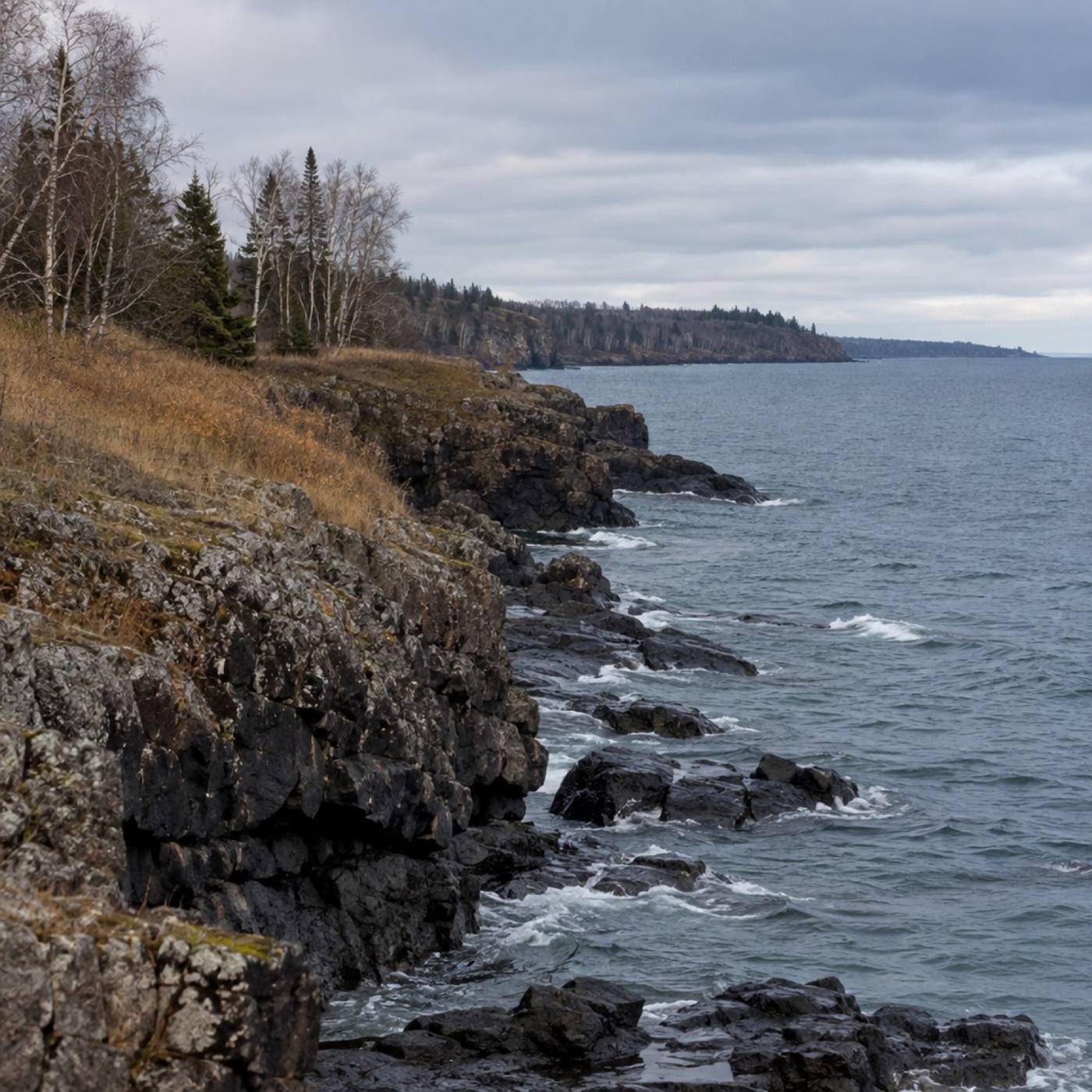
Late-autumn Lake Superior shoreline near Duluth with dark rock and dry grasses
Plate 04 The ridge, late season.

Before the season starts

First frost is not a surprise. It's a date.

The free grant readiness call is the thing you do before the season starts, not after a deadline has already gone past. Bring your programs, your budget and whatever dates are already sitting on the calendar.

  1. 01 We look at your programs, your budget and your track record — honestly, and without jargon.
  2. 02 We map the funders and deadlines that genuinely fit, and say plainly which ones do not.
  3. 03 You leave with a season plan you can keep, whether or not you ever hire us.

Book a free grant readiness call

Duluth, Minnesota · Nonprofits across the Northland

No cost and no pitch. If we are not the right fit for your season, we will say so and point you somewhere better.