01
Rooftop solar design
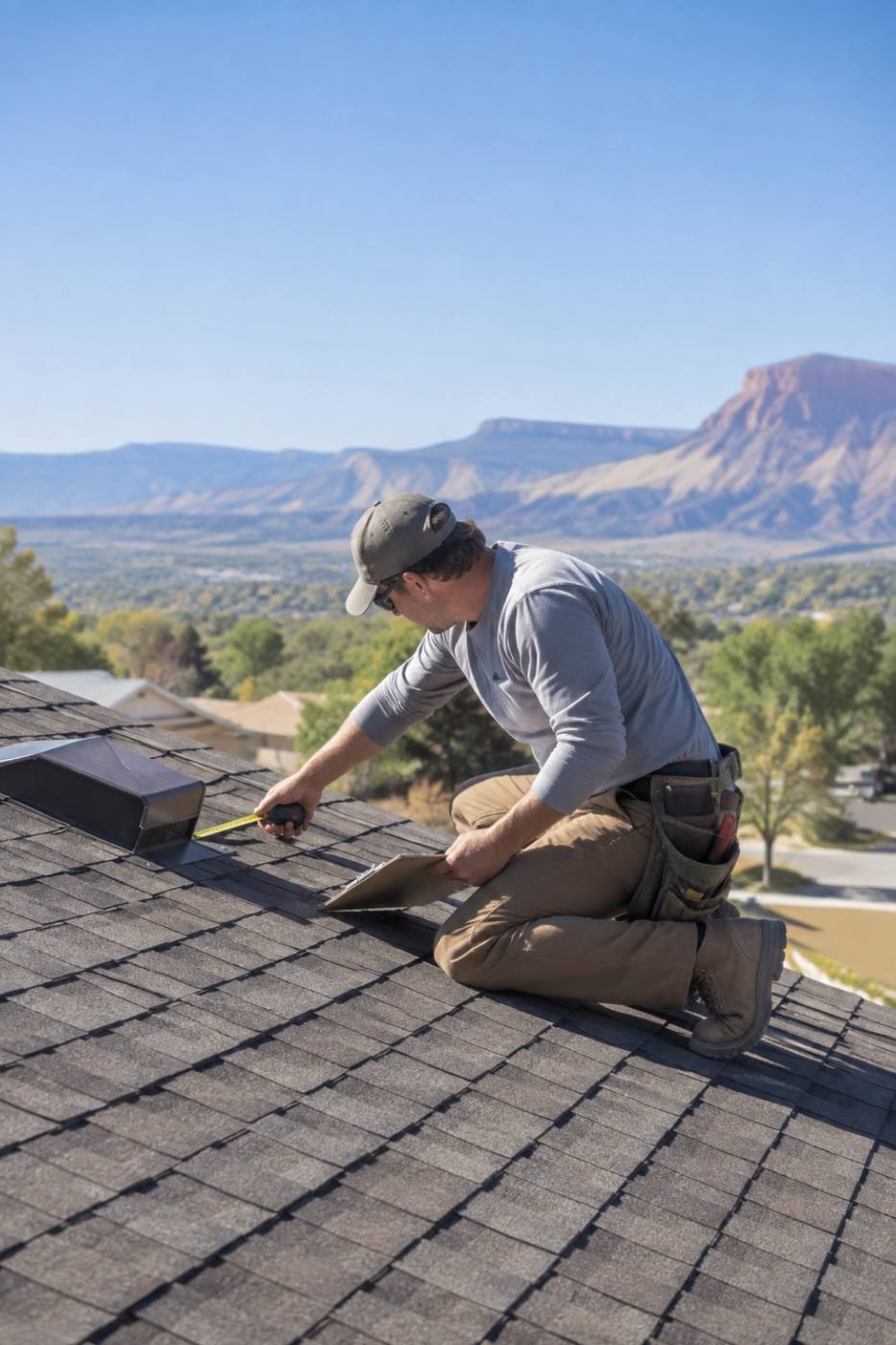
We measure the roof, watch where the shade falls and lay out an array around what the house actually gives us. You see the plan before anything is ordered.
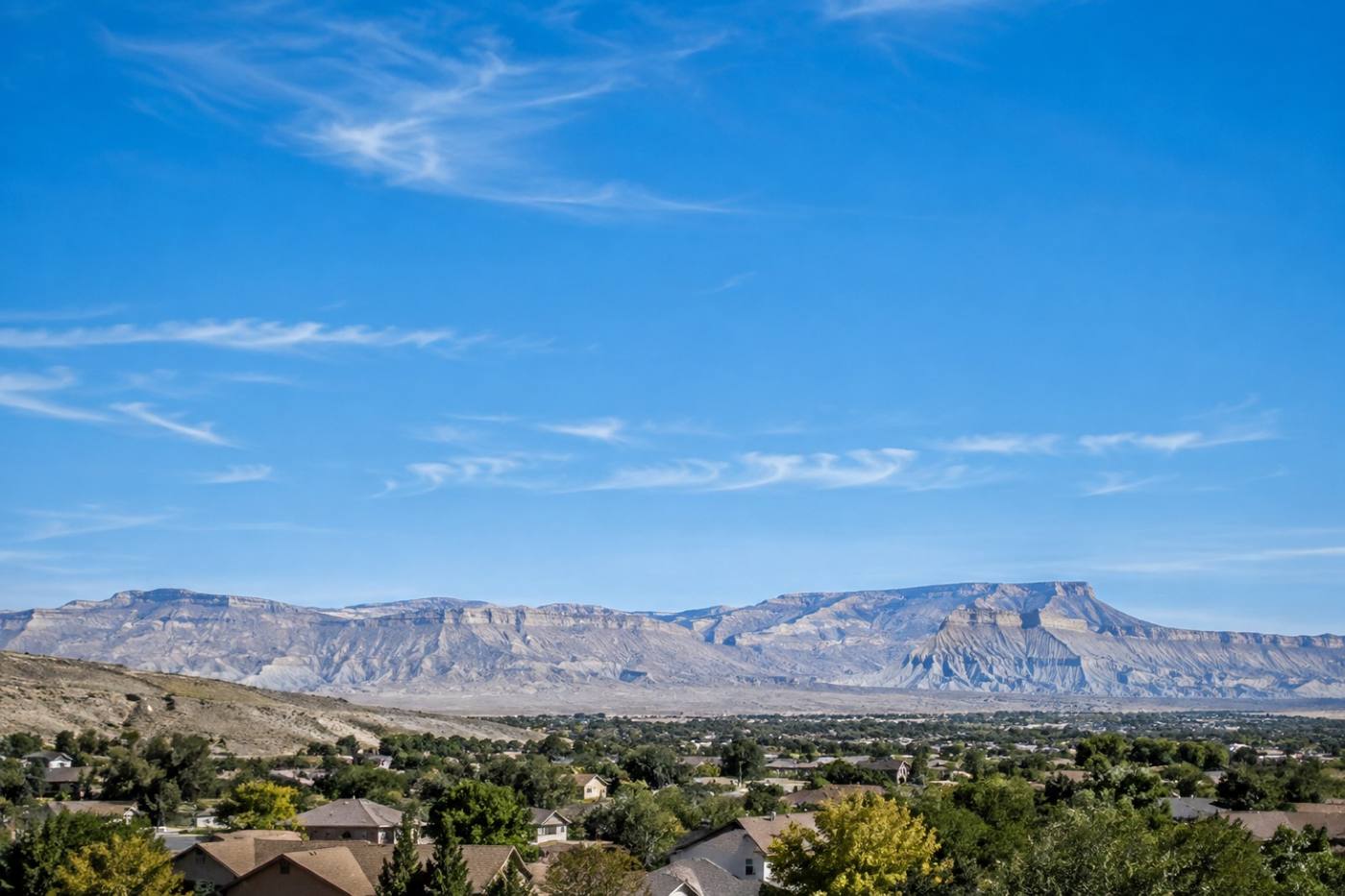
Statement of account — Grand Junction, Colorado
Every roof in this valley is sitting on a balance, and nobody has ever shown you the statement. Tell us about the house and we’ll put your numbers on one page — no site visit needed to start.
Arrives daily, free of charge, and lands on a roof you already own.
Its pitch, its shade and its age decide how much of that light you can collect.
What you pay the utility now is the baseline we measure everything against.
Line items
Six things we do around the valley. Take the lines you want and leave the rest — your estimate is built from what’s left.
We measure the roof, watch where the shade falls and lay out an array around what the house actually gives us. You see the plan before anything is ordered.
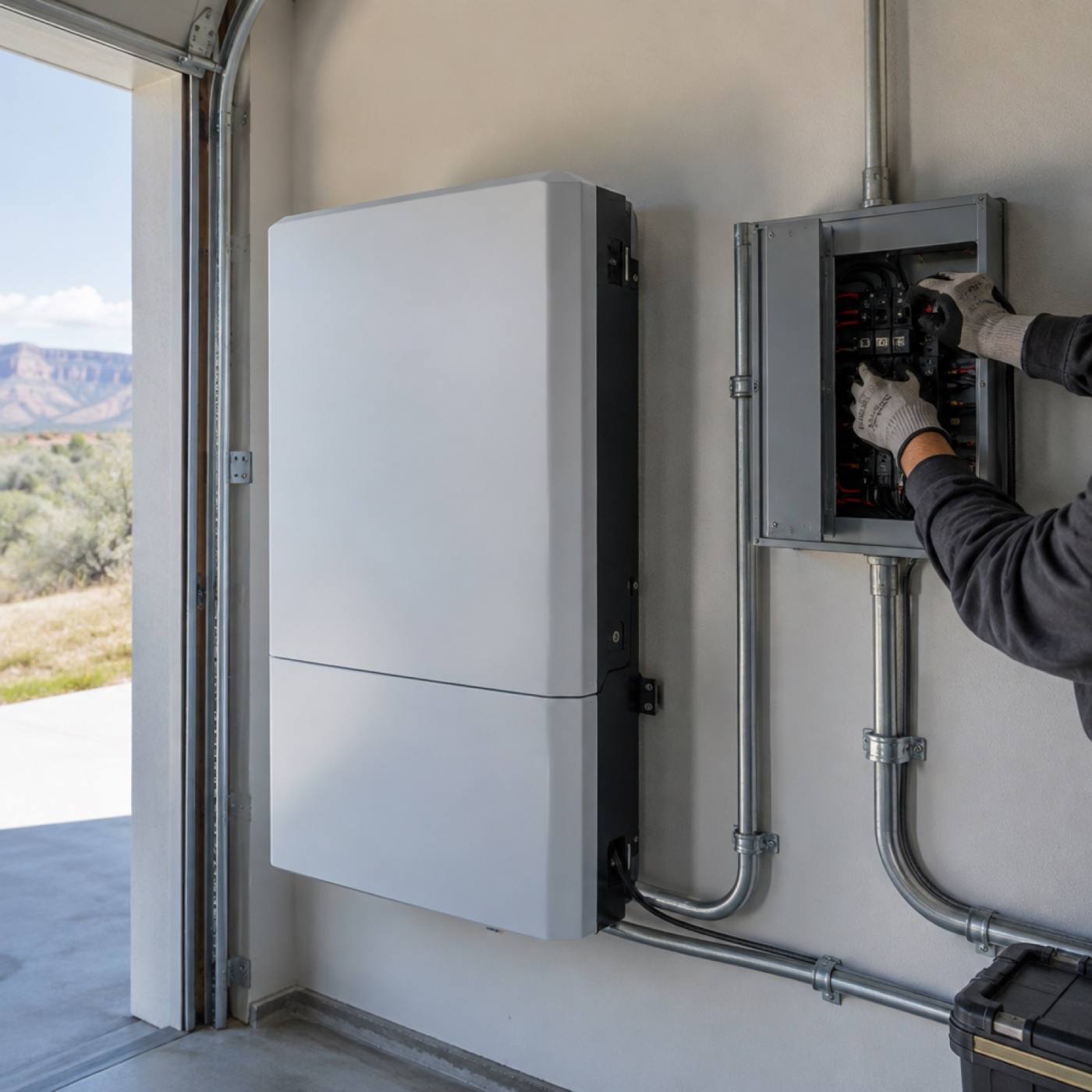
A battery on the wall keeps the circuits that matter alive when the grid drops: the fridge, a few lights, the well pump if you have one.
Valley dust settles on glass. We wash the panels, clear the rails and check that nothing has grown up into the array’s light.
A plain readout of what the system made today, this month and since it was switched on. If part of it goes quiet, we get in touch.
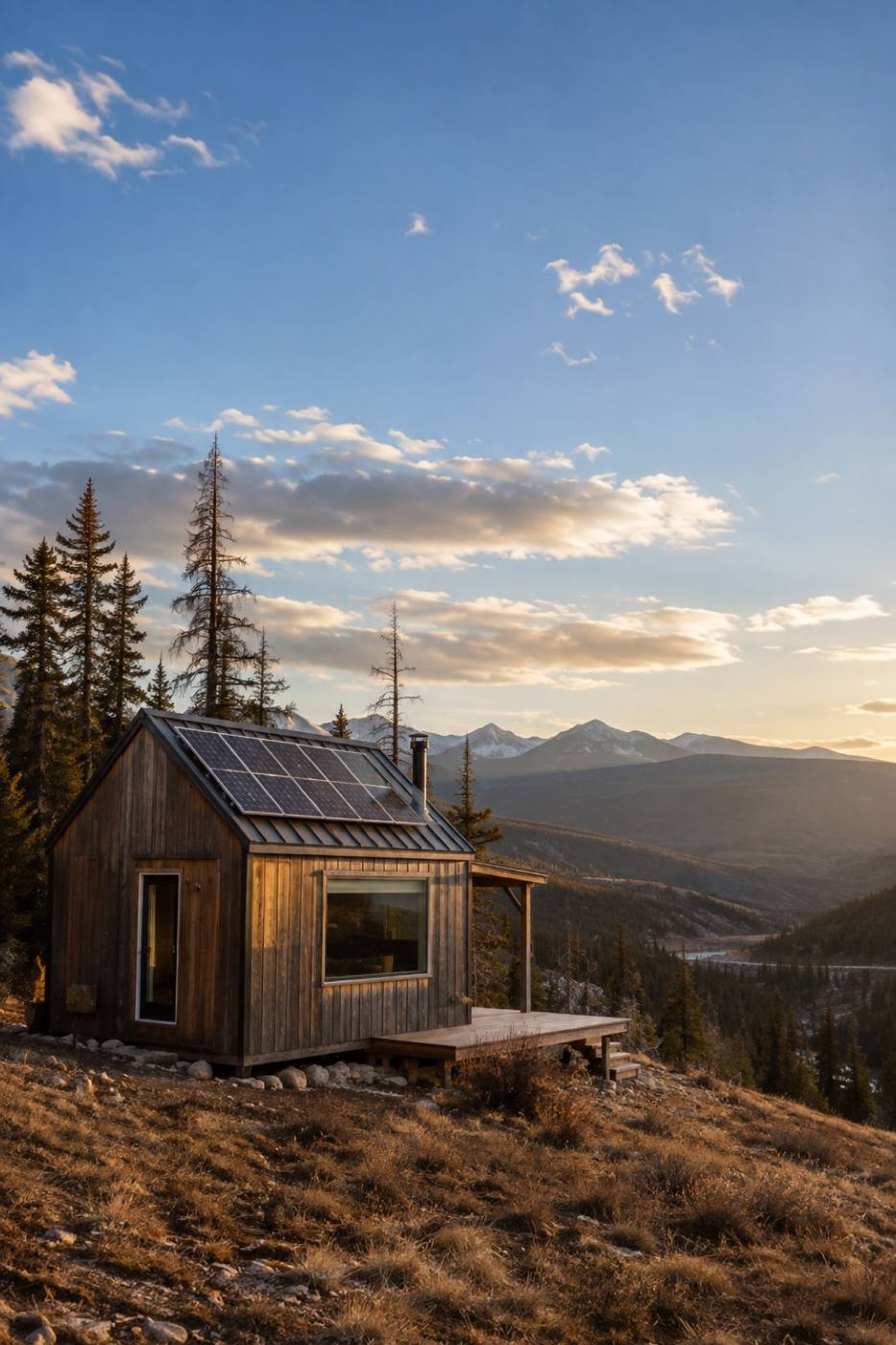
For places the utility never reached, we size panels, storage and a backup source around how the cabin is actually used.
The application, the drawings and the back-and-forth with your utility. We prepare the packet and file it so the system can export to the grid.
In the field
A cleaning is a cleaning. A battery is a battery. The paperwork is the paperwork. Your statement only gets as long as your house needs it to be.
The questionnaire
Fill in what you know. Six short lines, and the estimate comes back to you with the next step spelled out.

Footnotes
It’s a working number built from your answers, not a promise. The exact figure comes once we’ve seen the roof and a few of your utility bills.
Yes — interconnection paperwork is one of the line items above: the application, the drawings and the back-and-forth with your utility.
Then we say so. Shade, pitch and age all move the numbers, and some roofs are better candidates than others. You’ll hear that from us before you sign anything.
Monitoring keeps an eye on production and cleaning keeps the glass clear of valley dust. Both are line items, not afterthoughts.
That’s the off-grid line. We size the panels and the storage around how the cabin is actually used, with a backup source for the gray weeks.
Final line
Tell us about the roof and the bill. We bring the numbers back to your kitchen table, and nothing gets ordered until you say so.
Start my estimate