St. Augustine, Florida — tours, research & programs

Open a window to the past.

Museum tours, heritage walks, lectures and reading-room appointments in the oldest city in the continental United States. Choose the era you would like to step into; our staff take it from there.
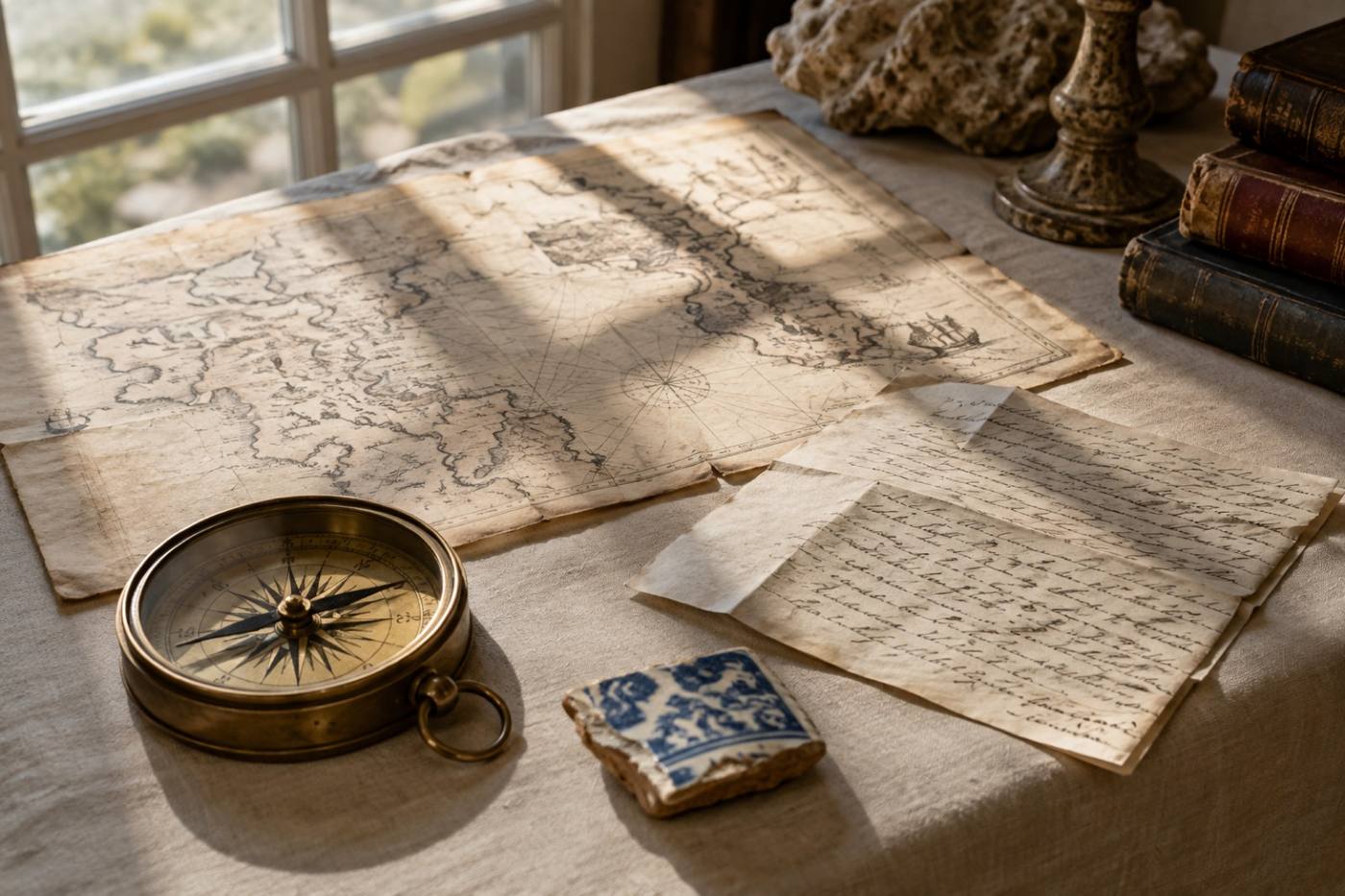
Historical objects arranged on a linen-covered study table
Objects from the collection, laid out for study
The collection & the city

Five eras, four and a half centuries.

St. Augustine has flown the flags of Spain, Britain and the United States. The society keeps what those centuries left behind — records, photographs, objects and the buildings themselves — and opens all of it to researchers, schools and visitors.

  1. 1565–1763 First Spanish Period

    The founding of the city, its earliest parish records, and the land grants that still shape the street plan.

  2. 1763–1783 British Period

    Twenty years under the British crown, when St. Augustine served as the capital of East Florida.

  3. 1784–1821 Second Spanish Period

    Spain's return, the rebuilding of the town, and the surveys and deeds that document every lot.

  4. 1821–1865 Territorial Years

    Florida becomes American territory and then a state: census rolls, newspapers and the war years.

  5. 1885–1913 The Flagler Era

    New hotels, new streets and a photographic record of a small town turning into a winter resort.

Records, photographs and research files from every era are available to visitors and to researchers.

See what you can book
Programs & appointments

Five ways to step inside the past.

Everything the society runs is bookable: tours and walks led by our guides, research time in the reading room, evening lectures, and sessions built for classrooms.

  1. Museum tours

    A guided walk through the society's rooms and the objects on display, told with the documents that back the story up.

    Book a tour
  2. Heritage walks

    On foot through the old streets, from the plaza outward, with four centuries of building and rebuilding pointed out block by block.

    Book a walk
  3. Archival research

    A table in the reading room, the society's documents requested on your behalf, and staff on hand to help you follow a family, a house or a street.

    Appointment details
  4. Lecture series

    Evenings of research and storytelling from the people who work in the collections, with time for questions afterwards.

    Join a lecture
  5. School programs

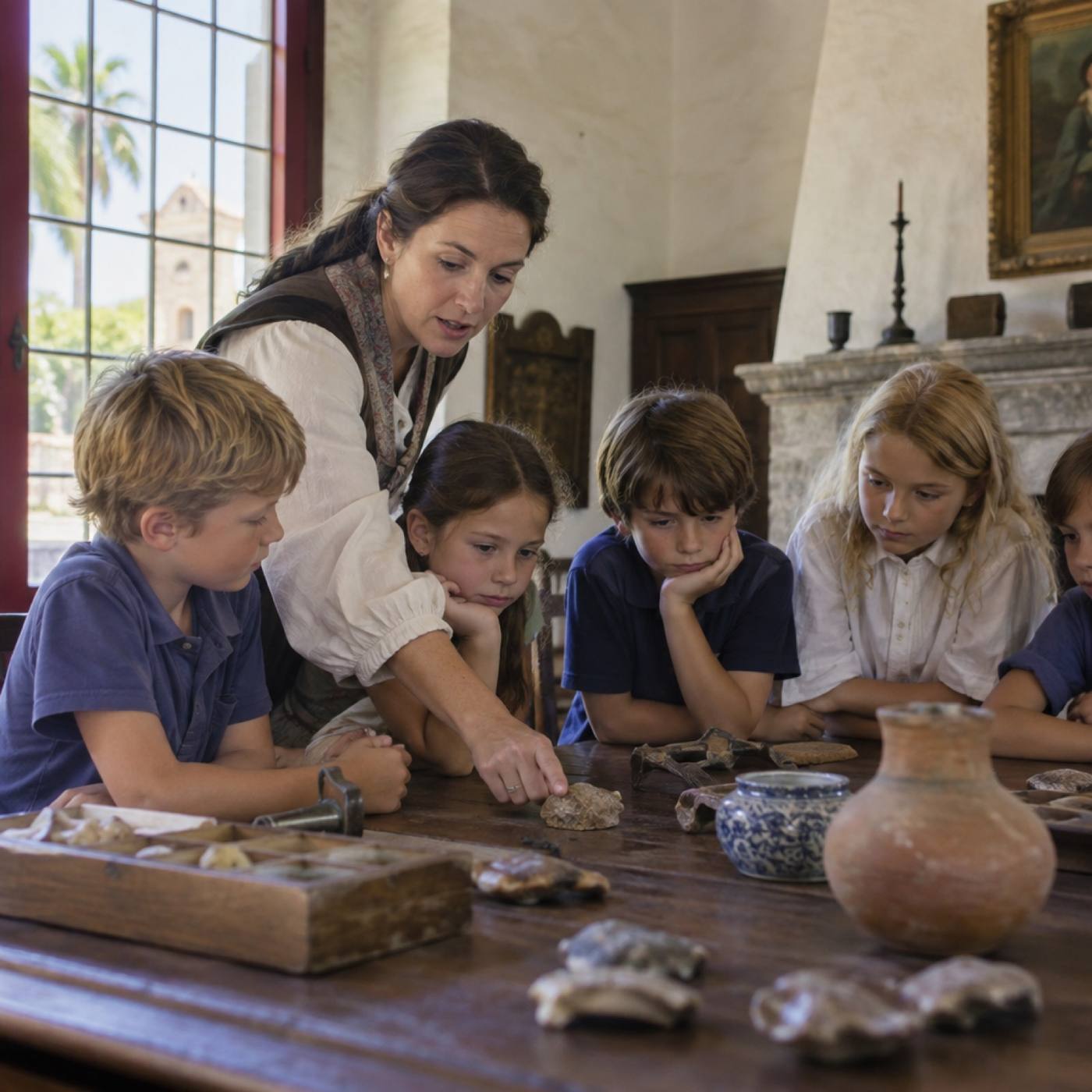
    Sessions built for classes, arranged around objects students can examine closely and questions they can ask out loud.

    Arrange a program
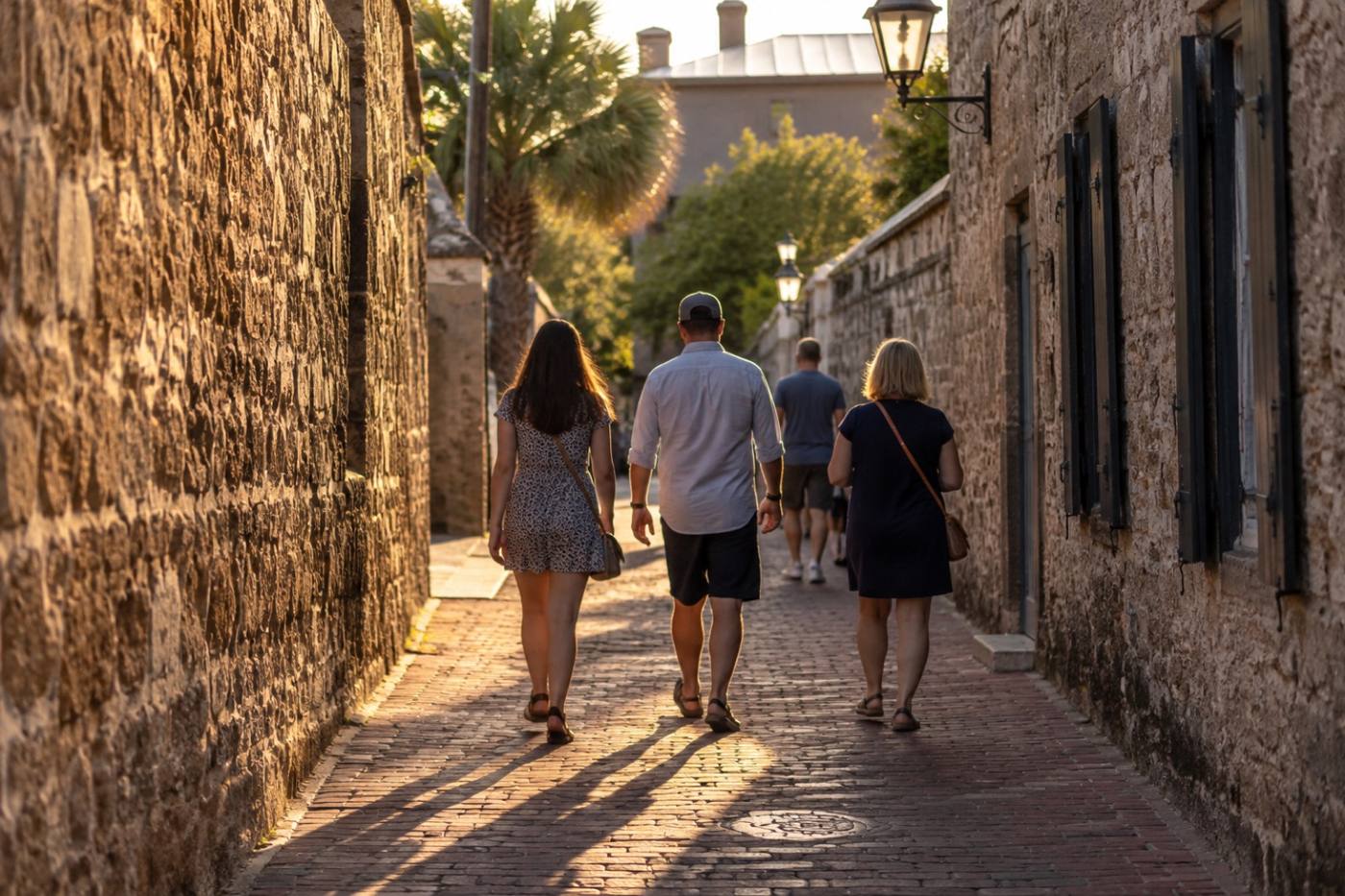
A small group walking a narrow brick street between old walls
Heritage walks — the city at street level
Students examining small historical objects around a table
School programs — objects, questions, discoveries
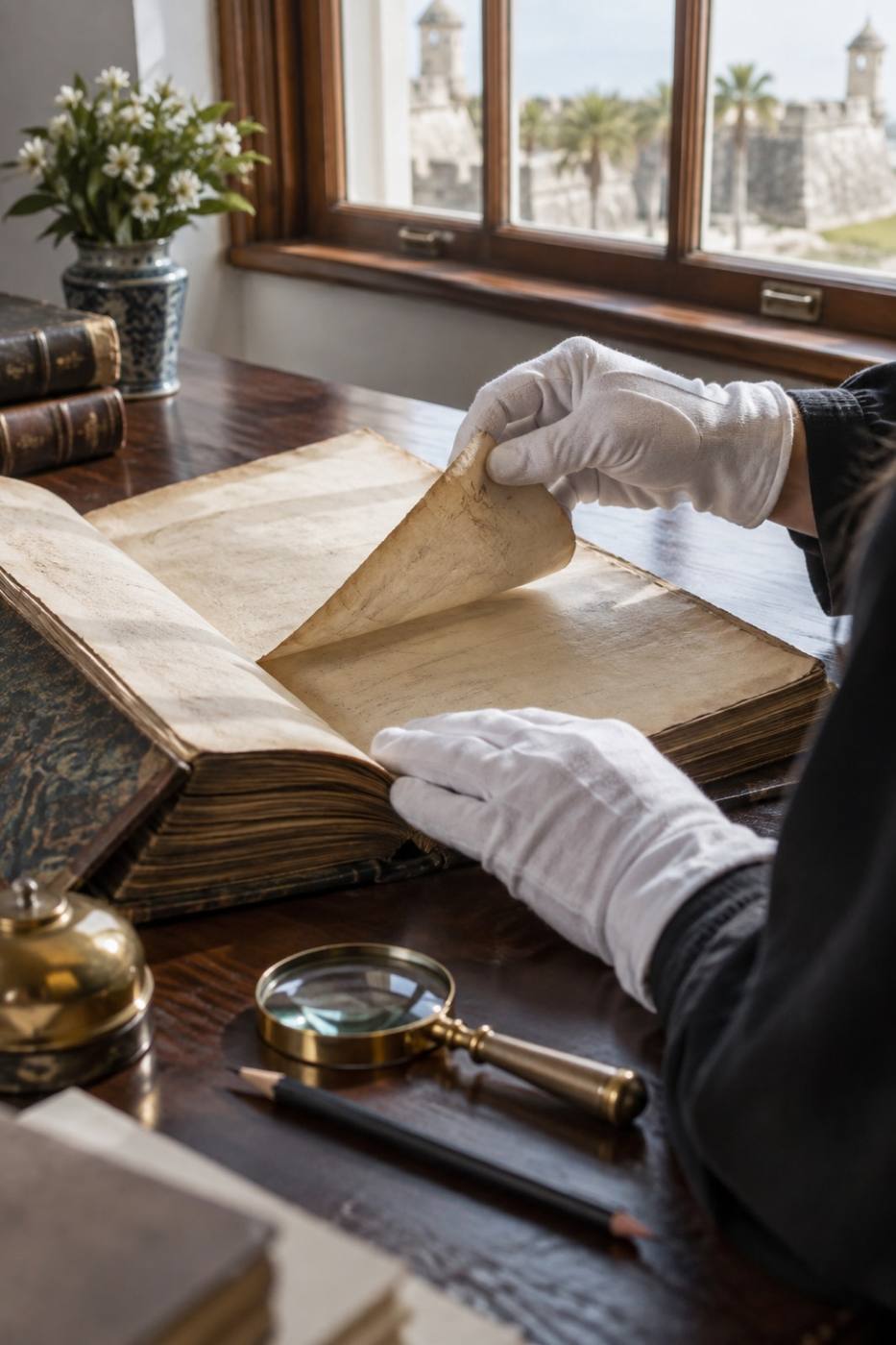
Gloved hands turning the pages of an old ledger with a magnifier
The reading room — quiet, steady, unhurried
Archival research

Read the past in its own hand.

A research appointment puts you at a table with the paper trail of a city that has belonged to Spain, Britain and the United States. Bring a question — a family, a house, a street, a year — and we will help you follow it.

  • 01A family name, or a branch of your line you would like to trace
  • 02A house, a lot, or a street corner and the years it changed
  • 03A photograph you would like to place in time and place
  • 04A book, article or class project in progress
Book a visit

Tell us which door to open.

Send us the shape of your visit — which program, which date, how many of you — and our staff will confirm it by email.

Prefer to talk it through first? Put your questions in the notes — we will answer them when we confirm your date.

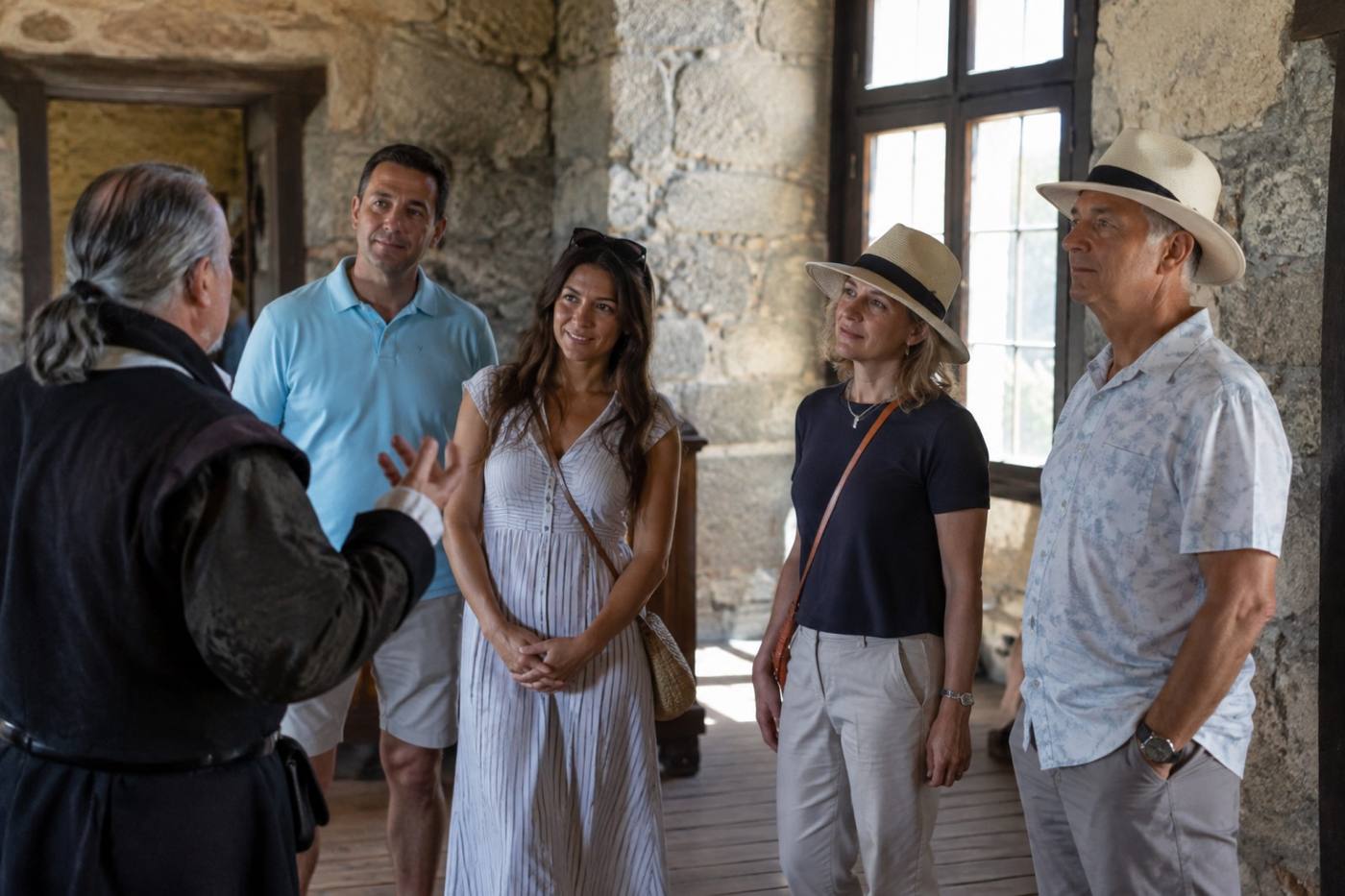
Visitors on a guided tour inside a historic stone room
On tour — the rooms, and the stories they keep
What happens next

Every request is read by a member of staff. You will hear back with a confirmed time, and with any collection material pulled and waiting for you when you arrive.

Come visit

Stand in the rooms where it happened.

Book a museum tour, reserve a table in the reading room, or walk the old streets with a guide.