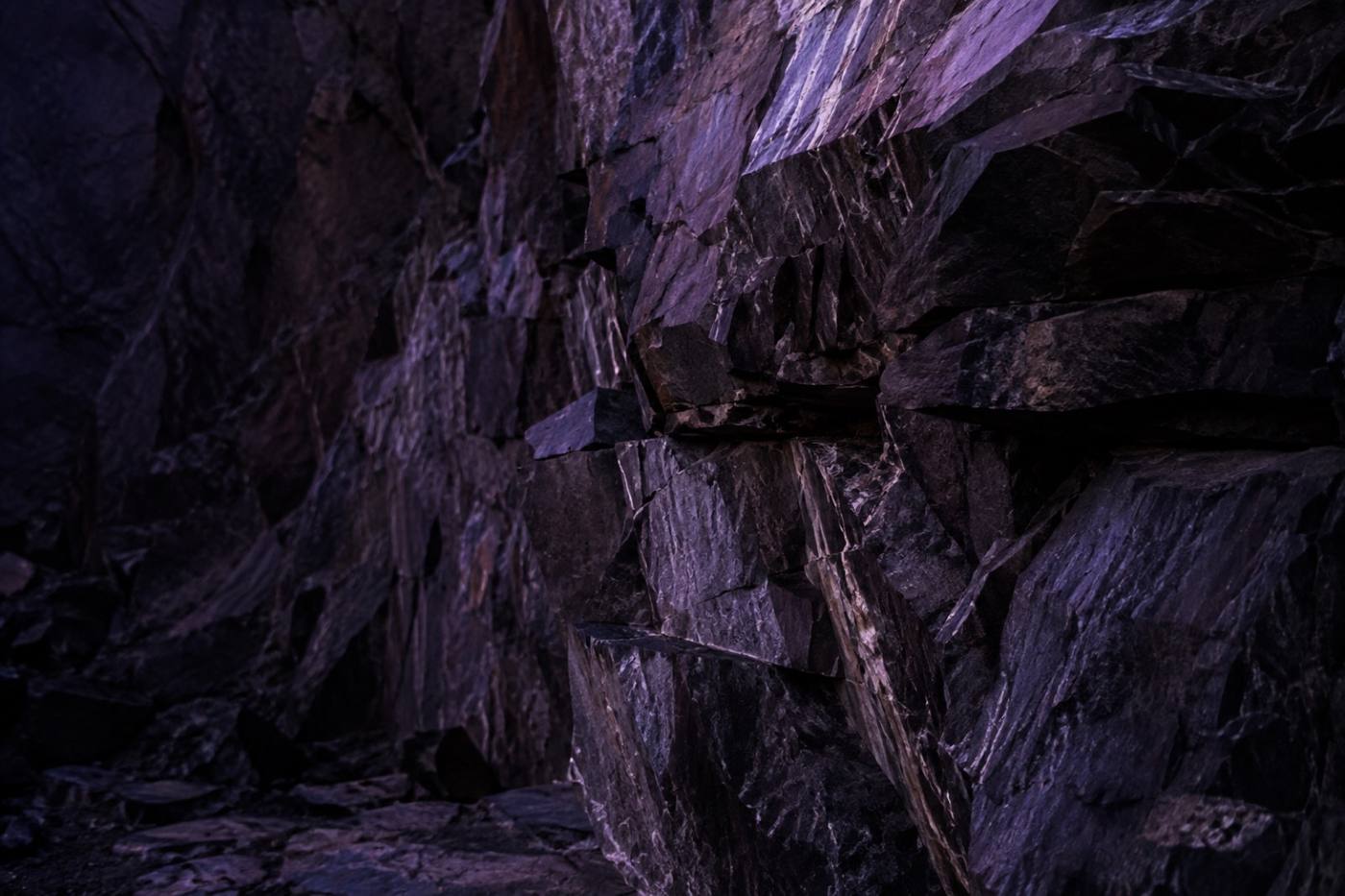
Duluth, Minnesota
Carve out your compliance.
Gov cloud hosting on a foundation of slate. We stack hosting, FedRAMP consulting and recovery into one environment — built for municipal IT teams who cannot afford a soft layer.
Duluth, Minnesota
Gov cloud hosting on a foundation of slate. We stack hosting, FedRAMP consulting and recovery into one environment — built for municipal IT teams who cannot afford a soft layer.
Who we build for
Municipal IT teams carry systems that cannot go dark: records, permits, billing, dispatch. We host and harden those systems in layers — hosting at the bottom, compliance through the middle, recovery as the seam that holds when something shifts.
We are a Duluth company working with public-sector IT leads who want the stack explained in plain language and the evidence kept in order, long before an auditor asks for it.

The layers
Every municipal system sits on a stack. We build it in order — bedrock first, then the strata of compliance, then the seam of recovery — so nothing has to be explained twice.
01
A hosted environment built for public-sector workloads: your own boundary, controlled access, and a tenancy that stays yours. It is the layer every other one rests on.
02
Controls, evidence and documentation worked through one stratum at a time, so the path to authorization is legible to your team, to your vendors and to the people who review it.
03
Recovery built around the objectives your services actually need, tested on a schedule you set, and written down so the person on call at three in the morning knows the next step.
04
Portable workloads that move between environments without a rebuild, so a service you host today still runs the same way next year.
05
Logs collected, retained and searchable, so evidence becomes a query instead of an excavation when someone asks for it.
06
Systems moved in stages, keeping the old ground beneath you until the new layer is proven and your team is comfortable standing on it.
How we work
No big-bang cutover, and no diagram that only the vendor understands. Four passes, every time.

We read the environment you have now: workloads, dependencies, the controls you already meet and the ones you do not yet.
We carve the hosted boundary and stand up the layers in sequence, setting access and logging from the first day rather than the last.
Failover is exercised, recovery is timed, evidence is collected. We find the weak seam before anyone else has to.
You keep the architecture, the runbooks and the plan. We stay on the other end of the line for the days that go sideways.
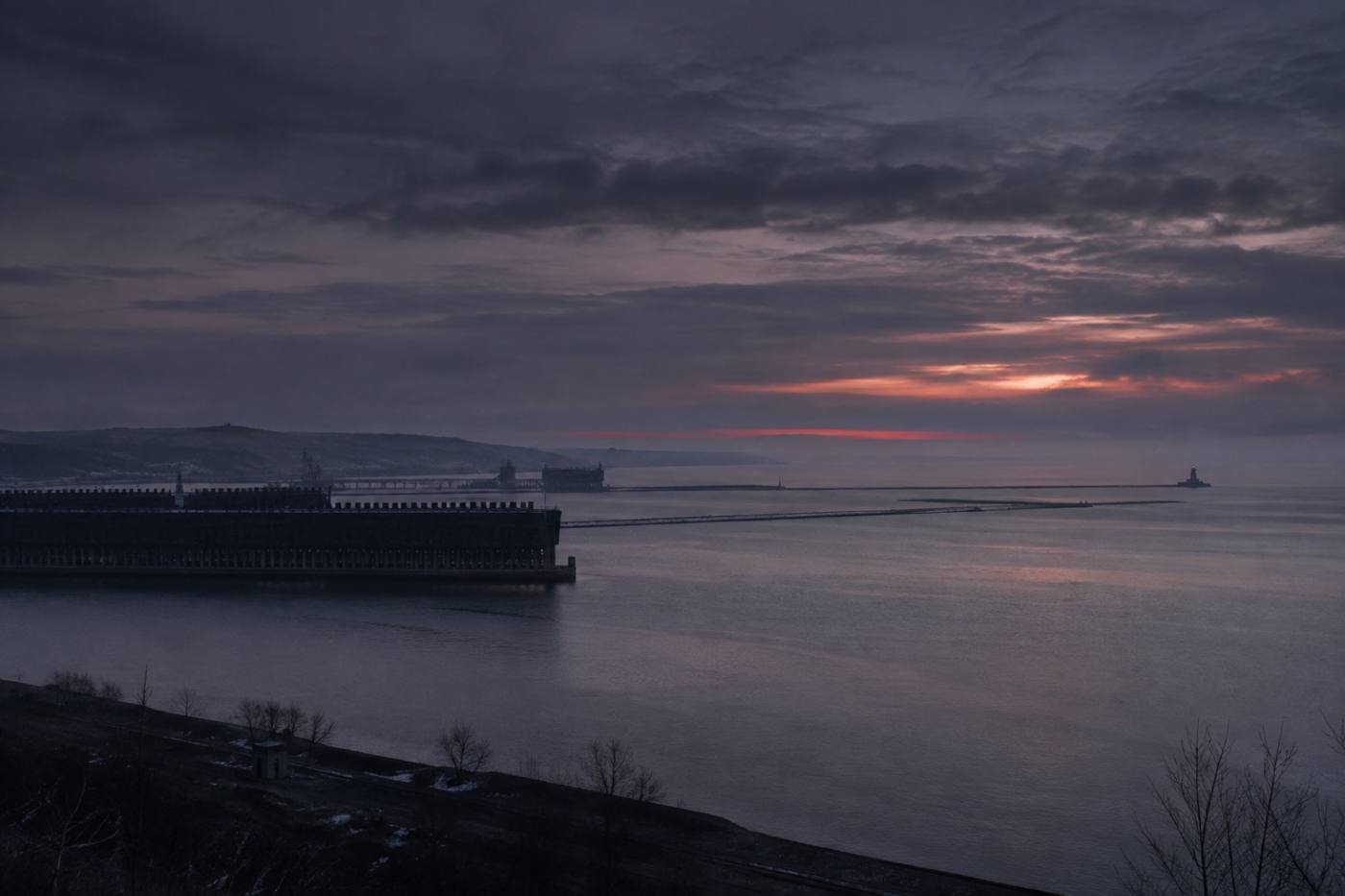
Duluth, Minnesota
Slate Harbor Cloud works out of Duluth, Minnesota. The harbor, the lake and the long winters our clients' systems have to survive are ours too — so we build for cold, for distance, and for the days when nothing can be offline.
Next step
Tell us what you are hosting today and what keeps you up at night. We will come back with a time and a plain-language read on the layers you need — and the ones you do not.
Discovery call request