Progressive dies
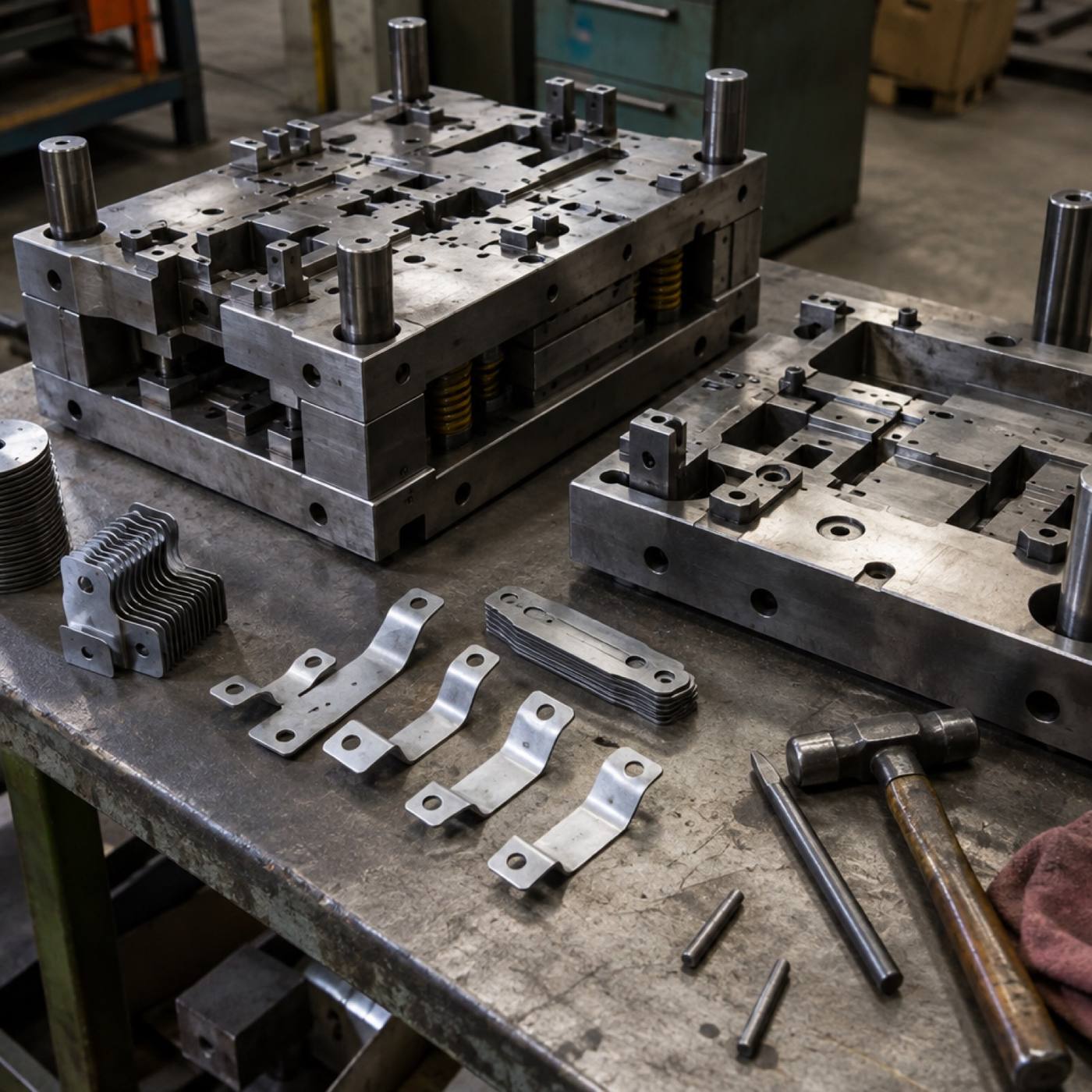
Multi-station dies built so the strip carries itself through the press, station by station, from first pierce to final form.
Tool & die · Janesville, Wisconsin
Rock River Tool & Die builds progressive dies and runs short-run stamping, CNC surface grinding, wire EDM and weld fixtures in Janesville, Wisconsin. Every job ends with a first article documented against your drawing.
Capabilities
Every job sits between a print and a finished part. These are the six things we quote — die construction first, first-article inspection last.
Multi-station dies built so the strip carries itself through the press, station by station, from first pierce to final form.
Low-volume runs held to the same tooling discipline as long ones: the die sets the part, not the operator.
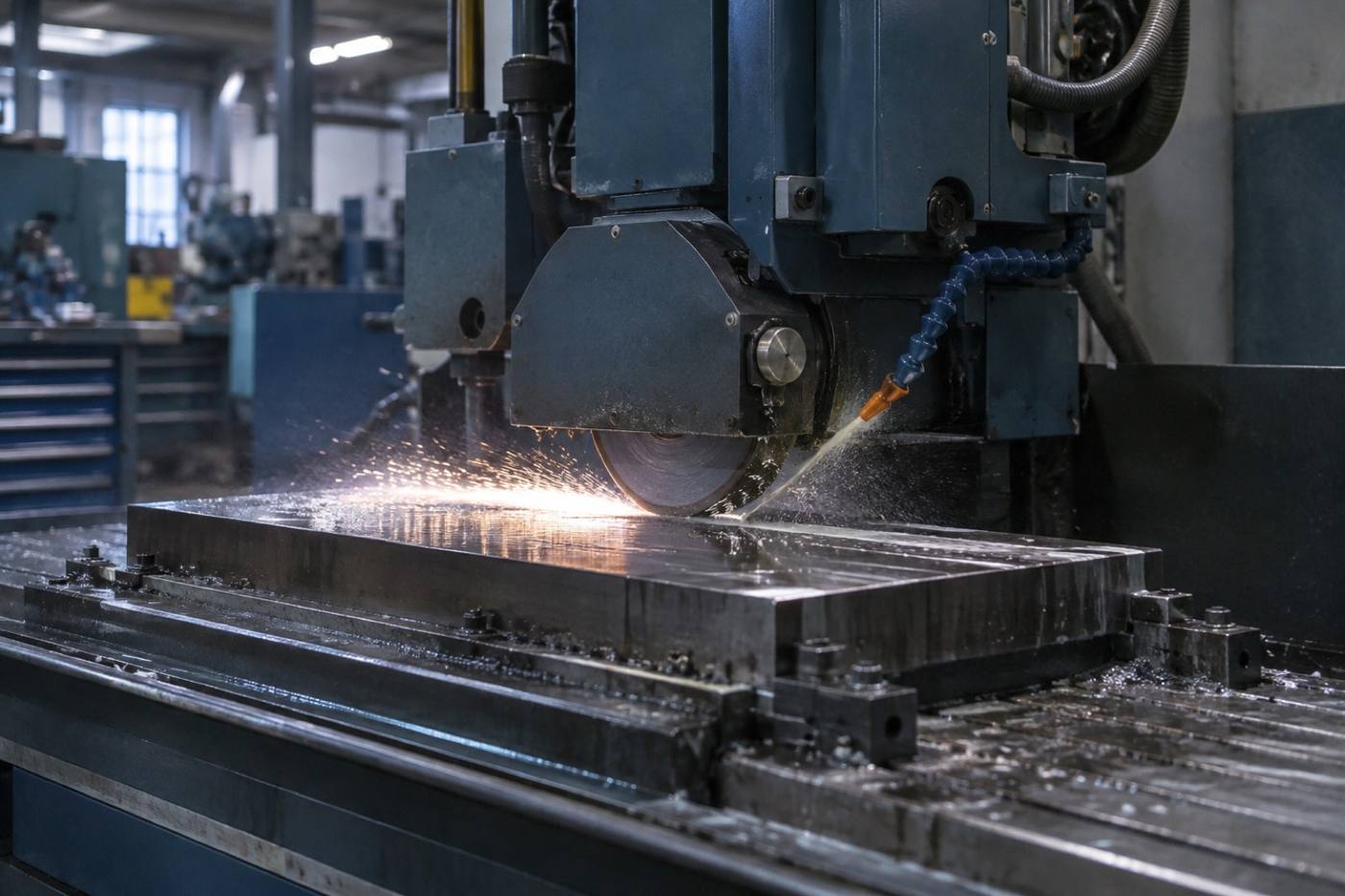
Flat, parallel and square surfaces taken down in controlled passes, with the finish checked against the print.
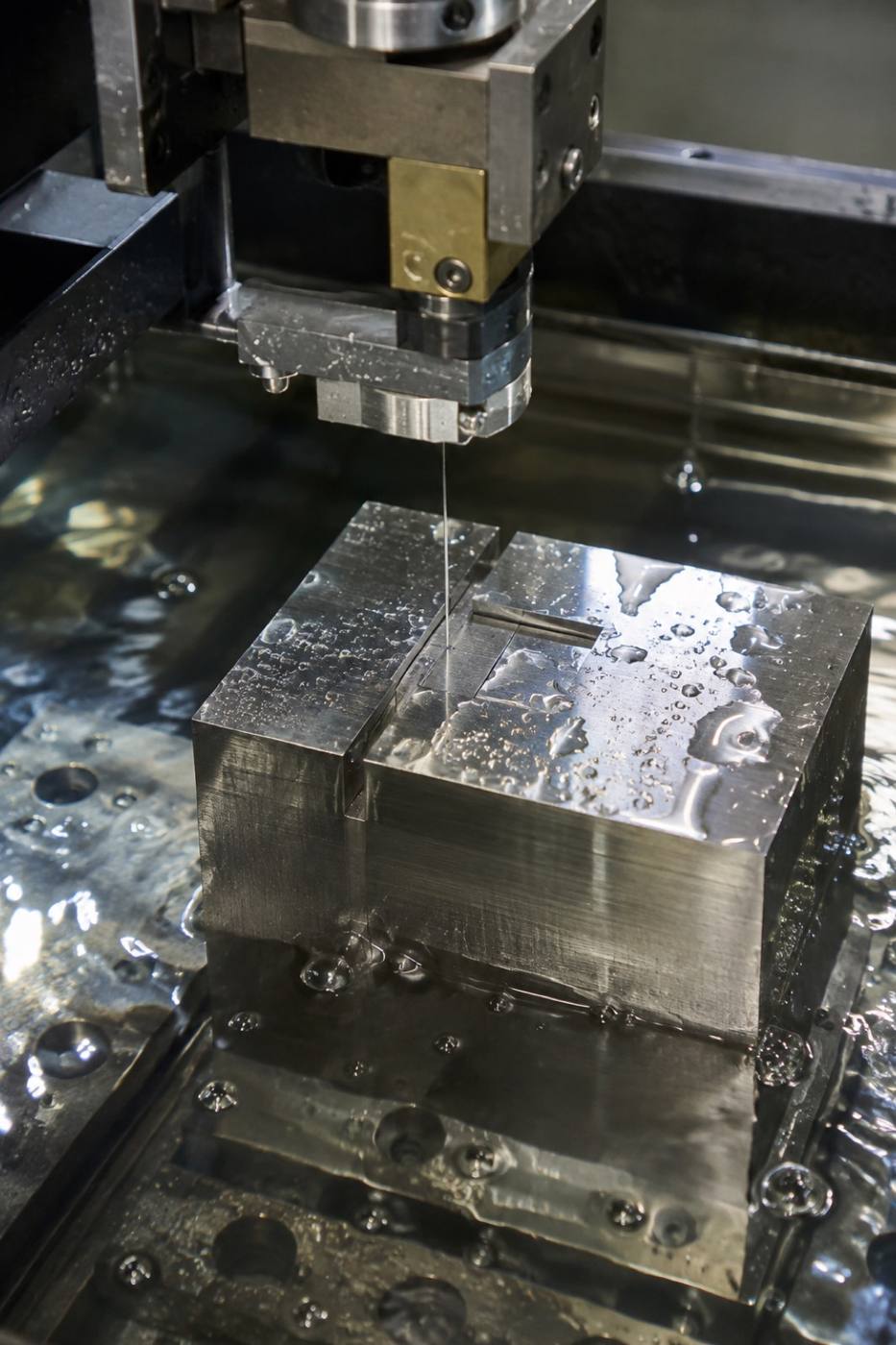
Sharp internal corners, tight radii and hardened material cut without loading the part with heat or stress.
Fixture plates and locating details that hold a weldment where the drawing puts it, so the assembly repeats.
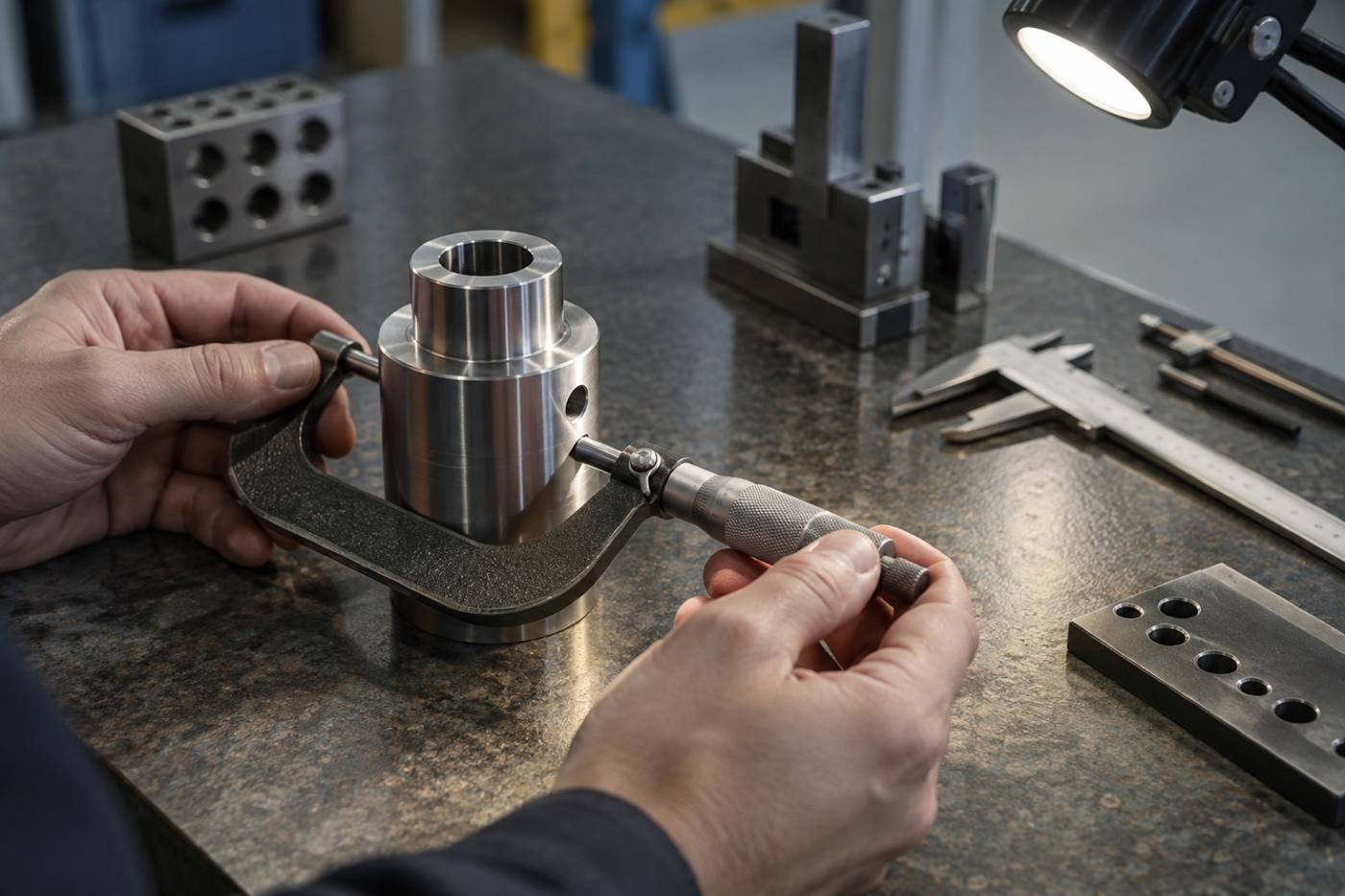
The first part off the tool, measured feature by feature and documented against the dimensions you sent.
Shop floor
Toolroom and press sit close enough that a change to a die comes back with a number attached to it. Work moves from the bench to the grinder to the EDM to the press without leaving the building.
How we work
Four steps, in order. Nothing moves to the press until the first part has been measured.
PDF or STEP, with tolerances and material noted. Quantity and target date help us place the job on the schedule.
We go through the drawing for tooling, material and the features that will need a second operation — then come back with questions before anything is cut.
The die is built, ground and wired, then it runs. Short-run quantities go on the same tooling as production work.
The first parts are measured against the print and documented before the run continues.
Request a quote
Tell us what the part is, how many you need and when you need them. The more the drawing says, the fewer questions come back.