Stream restoration
Work in the channel and along the bank: reshaping what erosion has cut away, planting the buffer, then letting the stream settle into a shape it can hold.
- Bank & channel work
- Planted buffers
- Post-project checks
Watershed conservation · Boone, North Carolina
Riverbend Watershed Alliance restores streams, monitors water quality with volunteers, grows native plants, and helps landowners put planted buffers back along their banks.
Water-quality colour strip
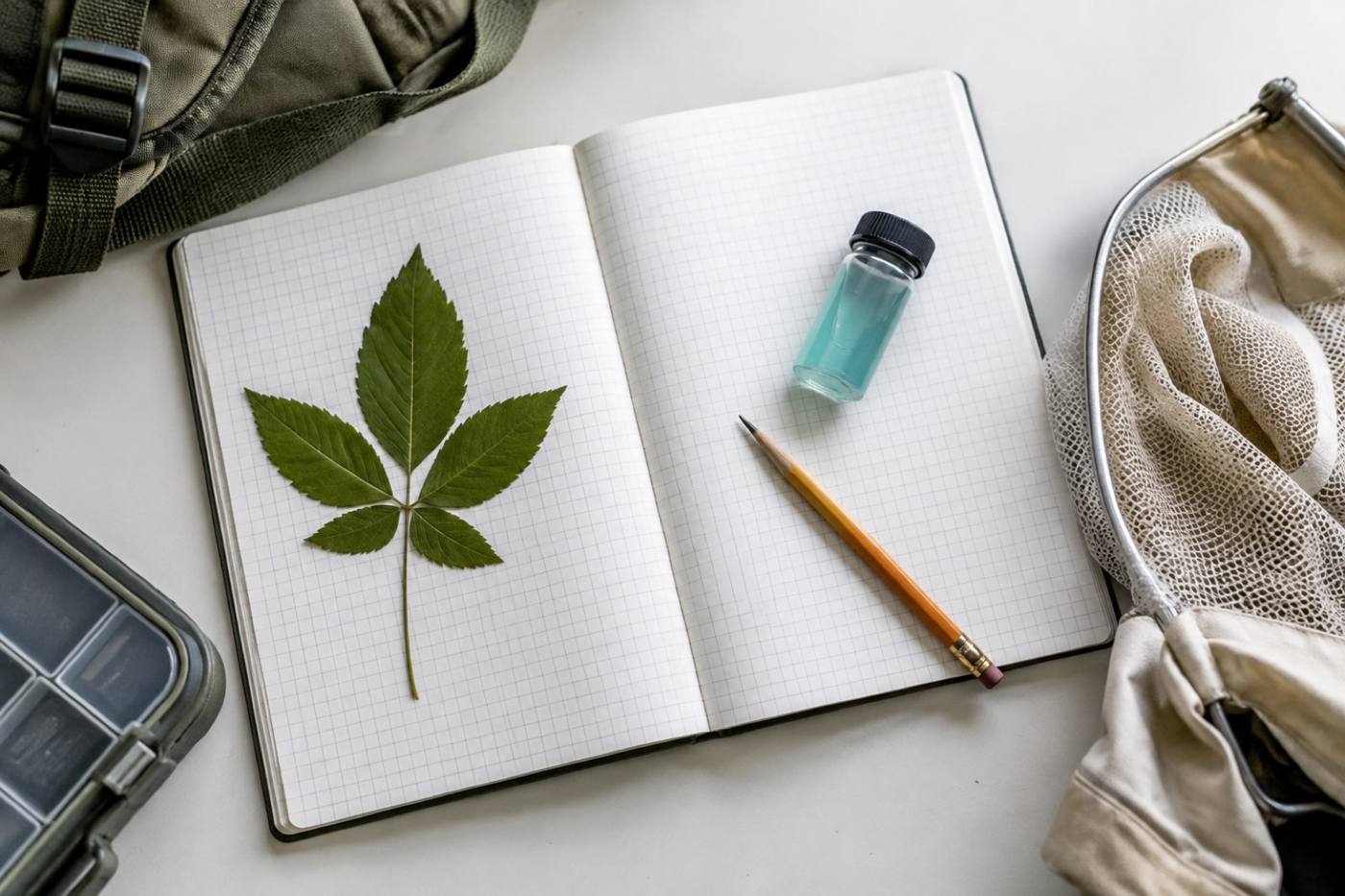 Specimen 01 · Kick net
Field kit, set out for a morning at the creek.
Sample the riffles, not the pools.
Program index 01–05
Restoration, monitoring, the nursery, grants and school field days all feed each other. Start anywhere in the index — every program hands something to the next.
Work in the channel and along the bank: reshaping what erosion has cut away, planting the buffer, then letting the stream settle into a shape it can hold.
Volunteers read the same reach the same way every month — the bugs in the riffle, temperature, clarity, dissolved oxygen — so a year of readings can actually be compared.
Seed collected from local stock, grown on at the nursery, then planted out along streambanks where roots and shade do the long work.
Grants help a landowner put a planted buffer back along a working stream — walked, planned and planted together, then left to grow into shade.
A field day puts a class on the bank with nets in hand. We bring the gear, the field sheets and the identification cards; the creek brings the lesson.
Volunteer monitoring
Water-quality monitoring runs on volunteers. Pick a stretch near home, learn the method, and sample it month after month — the readings add up to something a landowner, a funder or a class can use.
Choose a stretch of creek close to home and walk it once, so you know what the water is doing before you start.
We hand over the kick net, the sample vial and the field sheets, and show you how to use them the same way every visit.
Log the reading on the sheet, cap the vial, and send it in. Your line joins the watershed record.
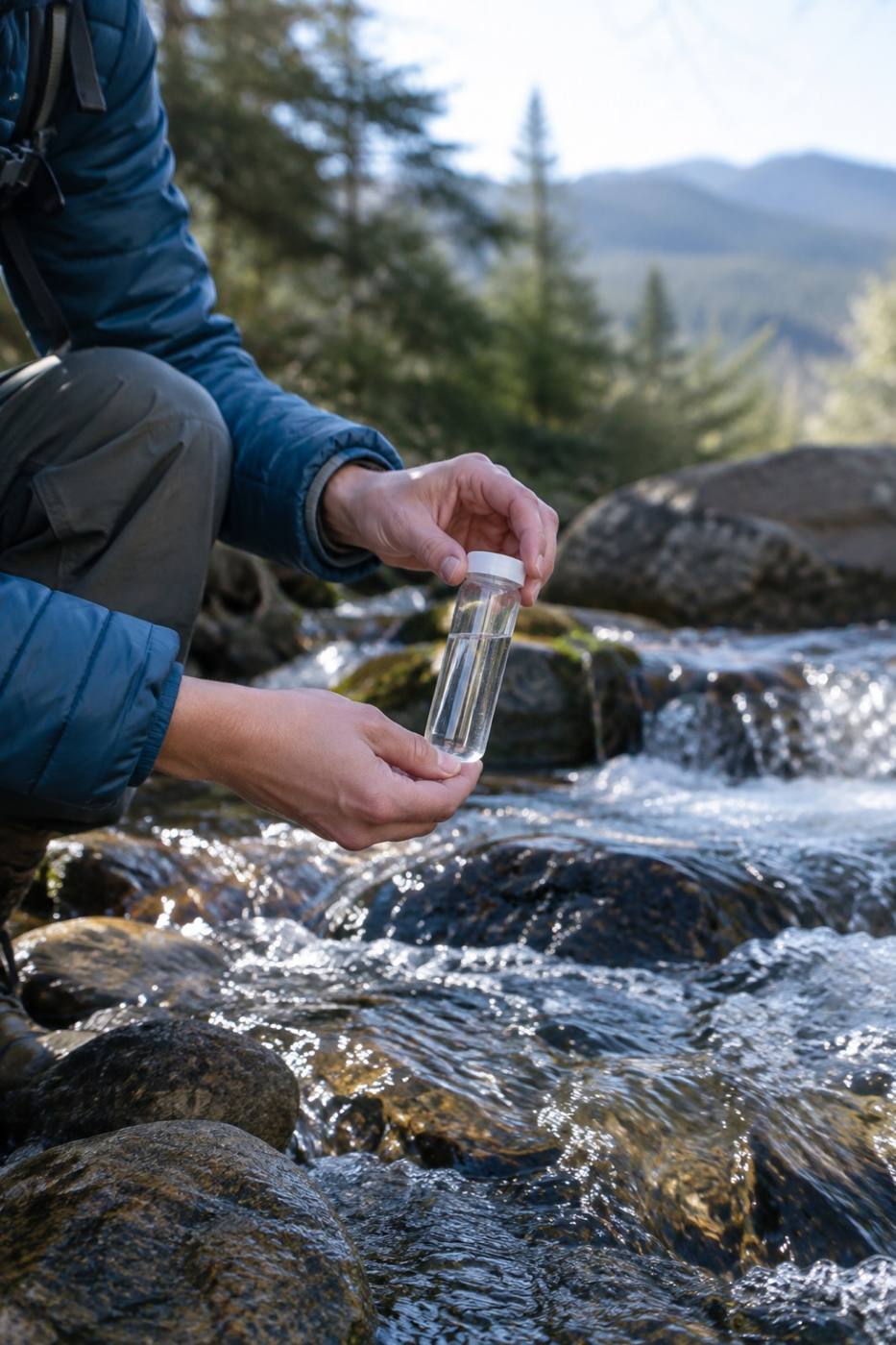
Field sheet · reach reading
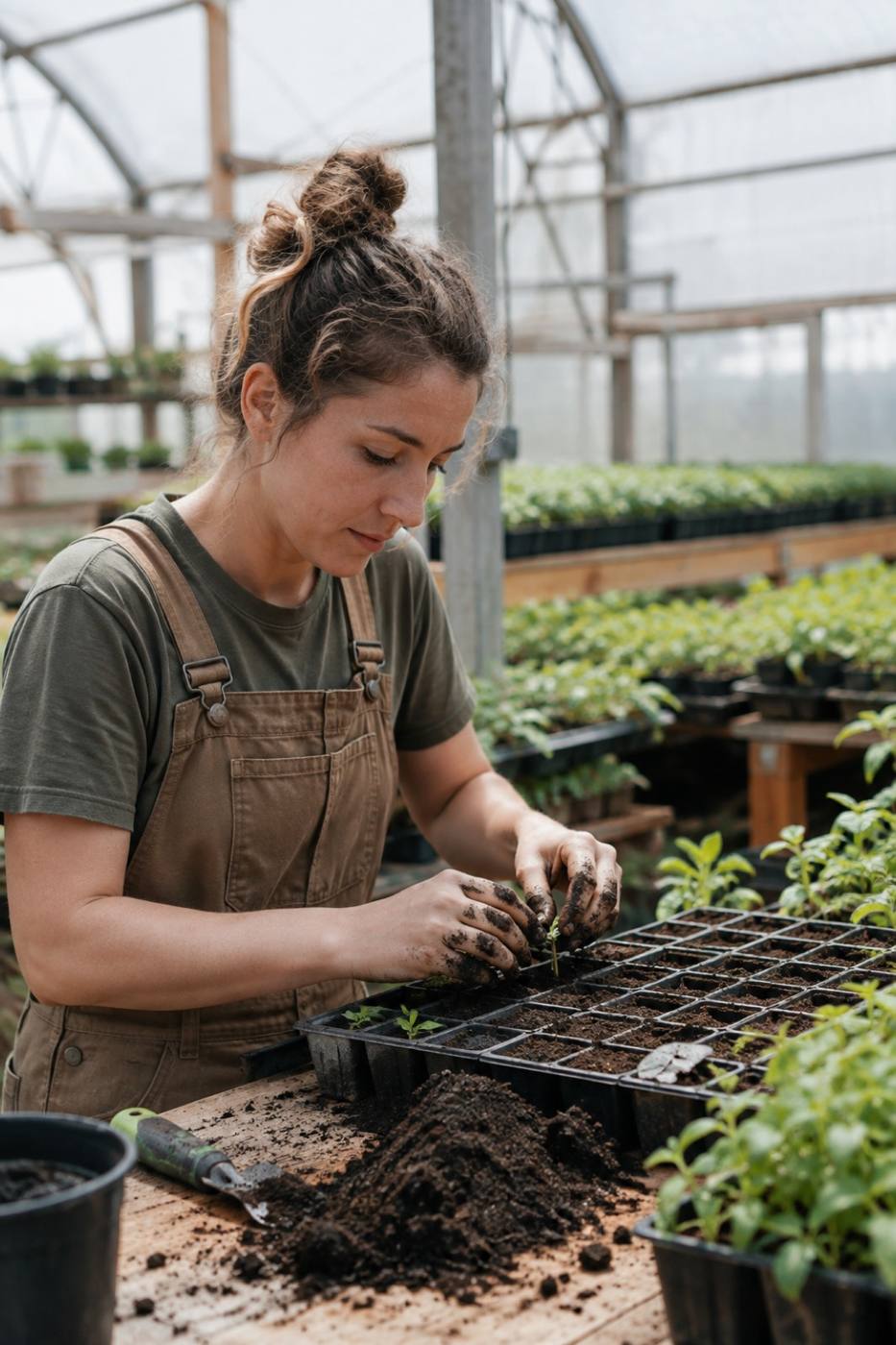
Grow & plant
The nursery keeps locally collected native stock on hand for streambank plantings — and riparian grants help landowners put it in the ground along their own water.
Seed collected from local plants, grown on until it is ready for a streambank. Volunteer shifts keep the trays watered and the beds weeded.
If a stream runs through your field or pasture, a planted buffer cools the water, holds the bank and filters what runs off it.
School creek programs
A field day puts students on the bank with nets in hand. We bring the gear, the field sheets and the identification cards; the creek brings the lesson.
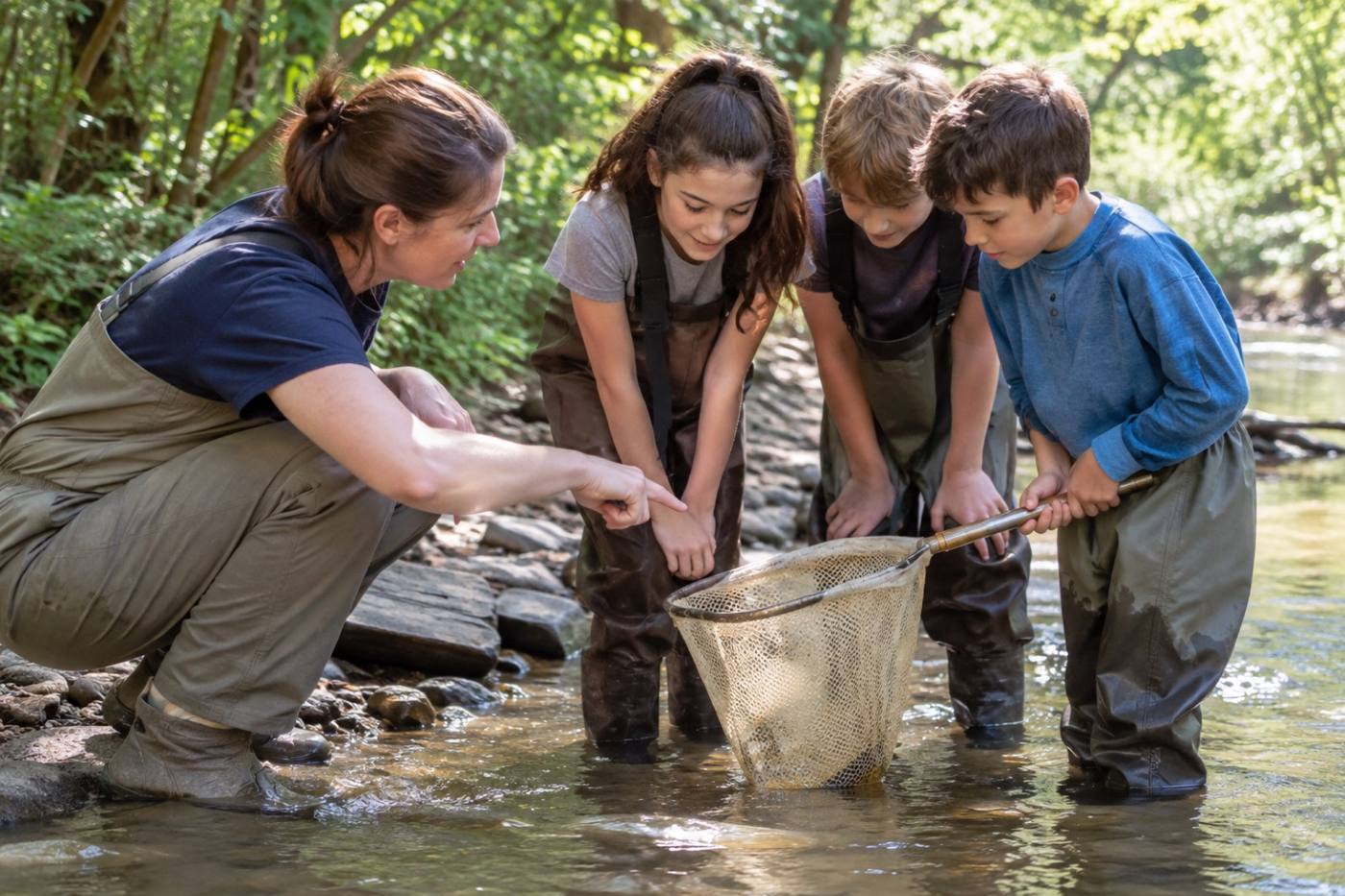
The creek is the teacher. We just carry the nets.
Annual watershed report
Once a year, what the volunteers, the nursery crew, the restoration work, the landowners and the classes found is gathered into one report — the record we hand to funders, to landowners and to the schools we work with.
Month-by-month readings from every monitored reach, kept in the same format so one season can be read against the next.
Where banks were worked, what went into the ground, and how the buffers are holding up.
Which plants take best on streambanks around Boone, and what the nursery should grow next.
What students turned up when they sampled the same creek across the seasons.
Written for
Get involved
Take on a reach and sample it every month, or start a riparian grant for the stream that runs through your land. Both are open to anyone around Boone.
Open now