Downtown infill
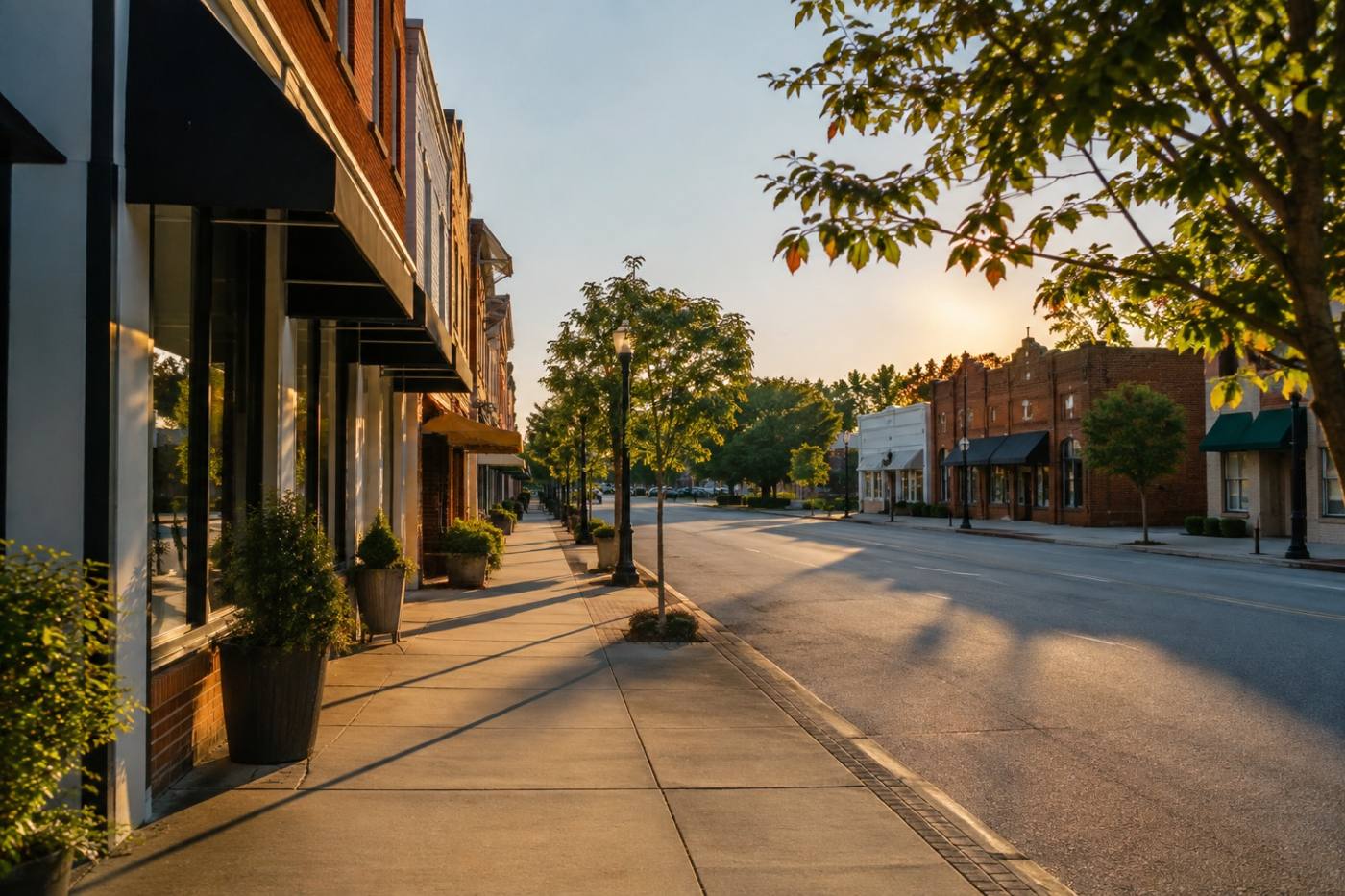
Parcels inside the walkable core, sitting among established storefronts and civic frontage.
Issued by Prosperity Economic Development
Prosperity, South Carolina
Four sections, set out in order: the land that is available, what the town puts in, the workforce that stands behind it, and the path from shortlist to permit. Read it the way you would read a filing.
Section I — Available properties
Property in Prosperity is held as one schedule rather than a stack of listings: sites inside the walkable core, frontage on the approach into town, industrial land outside it, and buildings ready for reuse.
The inventory is maintained by the office rather than republished. Parcels are added, held and withdrawn as they change hands, so the schedule you receive reflects what is available on the day you ask for it.
Ask once · Receive the current schedule · Walk the ground with town staff
Parcels inside the walkable core, sitting among established storefronts and civic frontage.
Land facing the main approach into town, with the visibility that comes with the road.
Larger footprints outside the core, held for projects that need room, access and service.
Structures available for reuse, where the shell, the floor and the address are already standing.
Acreage, ownership, frontage and utility service are confirmed parcel by parcel in the site packet. Nothing on the schedule is held without an inquiry.
Request the parcel schedule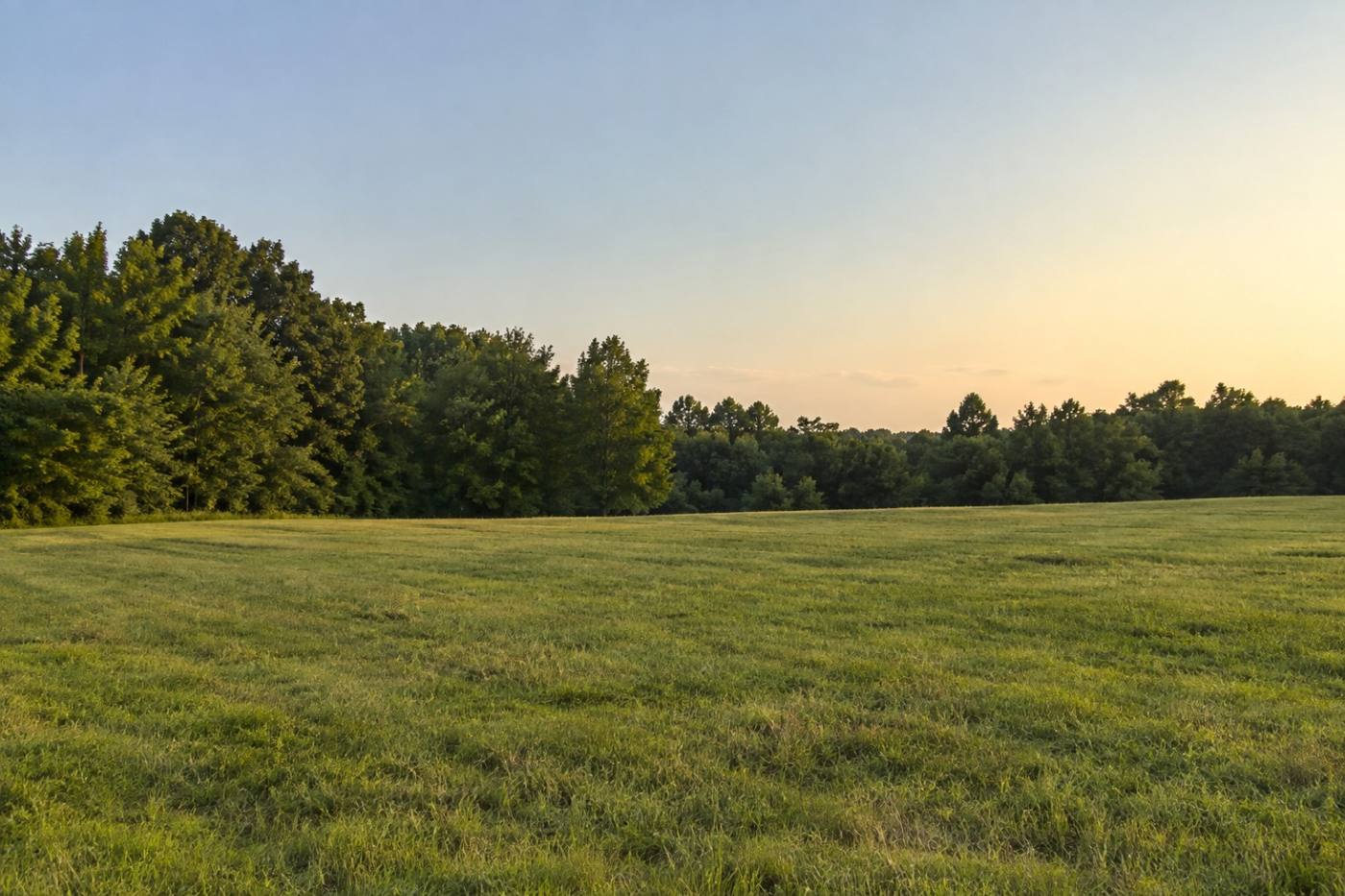
Section II — Business incentives
Four terms, stated plainly. Each is a service of the office, and each is put in writing before a project commits to anything.
The programs a qualifying project may be eligible for are identified before an application is filed, and returned to you as a single schedule rather than a set of forms.
Training is arranged with the region's workforce partners and timed against the date the first shift is expected — not scheduled after the building is up.
Parcel-by-parcel review with the town, from the first shortlist through to a final walk of the ground with the people who answer for it.
One point of contact through zoning, permitting, inspection and utility coordination, so a project is not passed between desks.
Terms are confirmed in writing before commitment
Request the incentive notesSection III — Workforce and training
A hiring plan is a site criterion. The town treats it as one, and puts it on the table while the site is still being chosen rather than after.
For an employer, the useful question is not how many people live within a radius. It is whether the people who can do the work are reachable, and how quickly a line or a floor can be stood up.
Prosperity's answer to that question is assembled with the region's workforce and training partners, and attached to the site shortlist as a note: who is available, where the training comes from, and how it is scheduled.
Bring the hiring plan to the first meeting. Training takes time to arrange, and the sequence is easier when it begins alongside the site review rather than behind it.

Section IV — Site selection and permits
Five clauses, in the order they occur. Each one ends where the next begins, and none of them is filed before you are ready to file it.
Send the project: use, footprint, power and water needs, and timing. This stage costs nothing and commits nothing.
The office returns the parcels that meet the brief, with zoning and utility notes attached to each one so the comparison is made on paper before it is made on the ground.
Town staff walk the shortlisted ground with you. Access, drainage and service questions are answered on the site rather than in a queue.
Programs the project may qualify for are confirmed with you before any commitment is made, and before any application is filed.
One contact carries the project through zoning, permitting and inspection to the certificate of occupancy, and stays with it until the doors open.
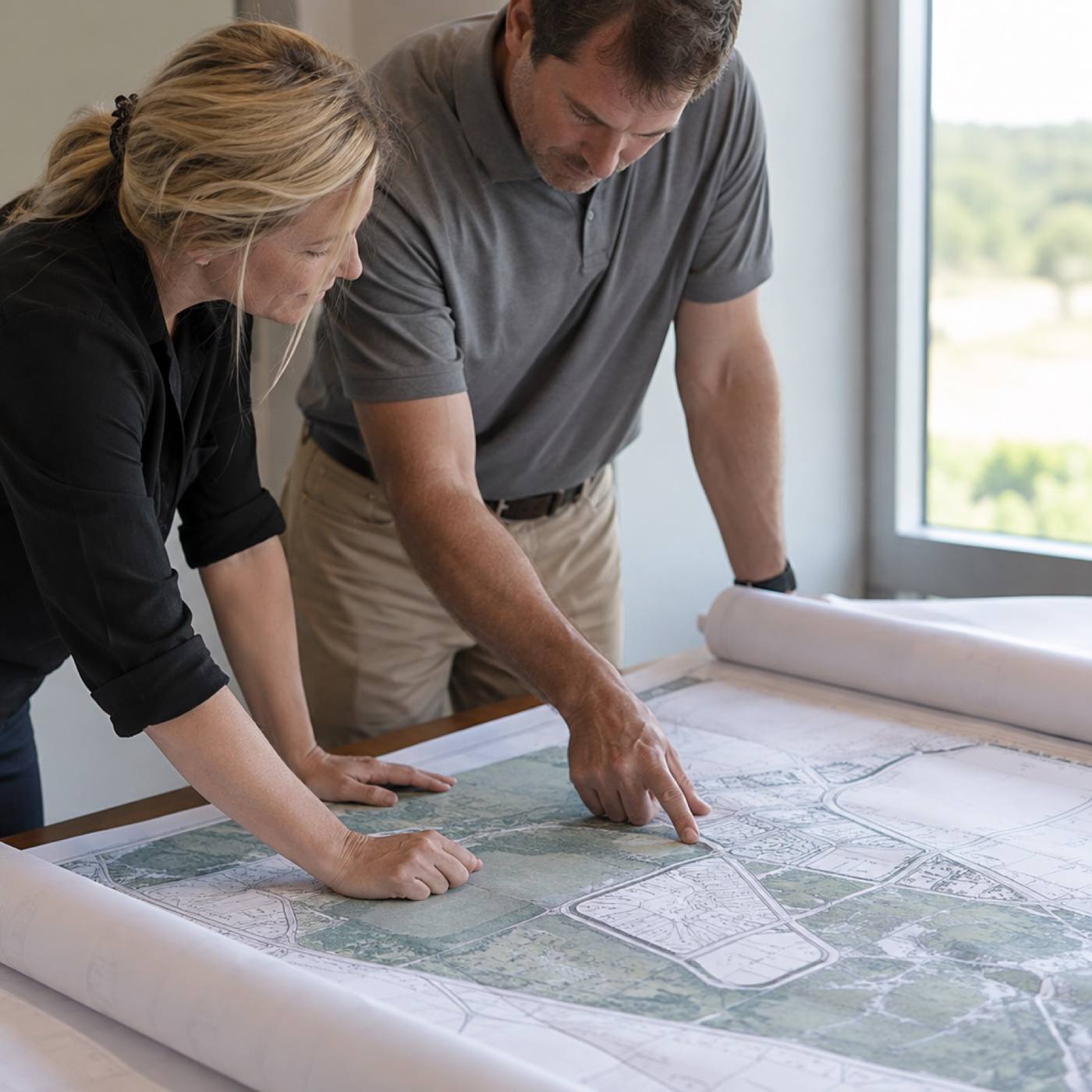
A project brief, a hiring plan and a date. Those three things move a file faster than anything else, and the office works from them from the first meeting onward.
One office · One contact · One timeline
Request
The packet carries the full parcel schedule, the incentive notes, the workforce contacts and the permit path. Send the form and the office replies with the current documents.
Available properties · Business incentives · Workforce training · Site selection · Permit assistance