Prairie Lantern Foundation · Grand Island, Nebraska
Someone is holding a light for a classroom out here. Follow it.
We take one pool of local giving and hand it down the line — donor to foundation, foundation to district, district to teacher, teacher to student. Nothing gets lost between hands.
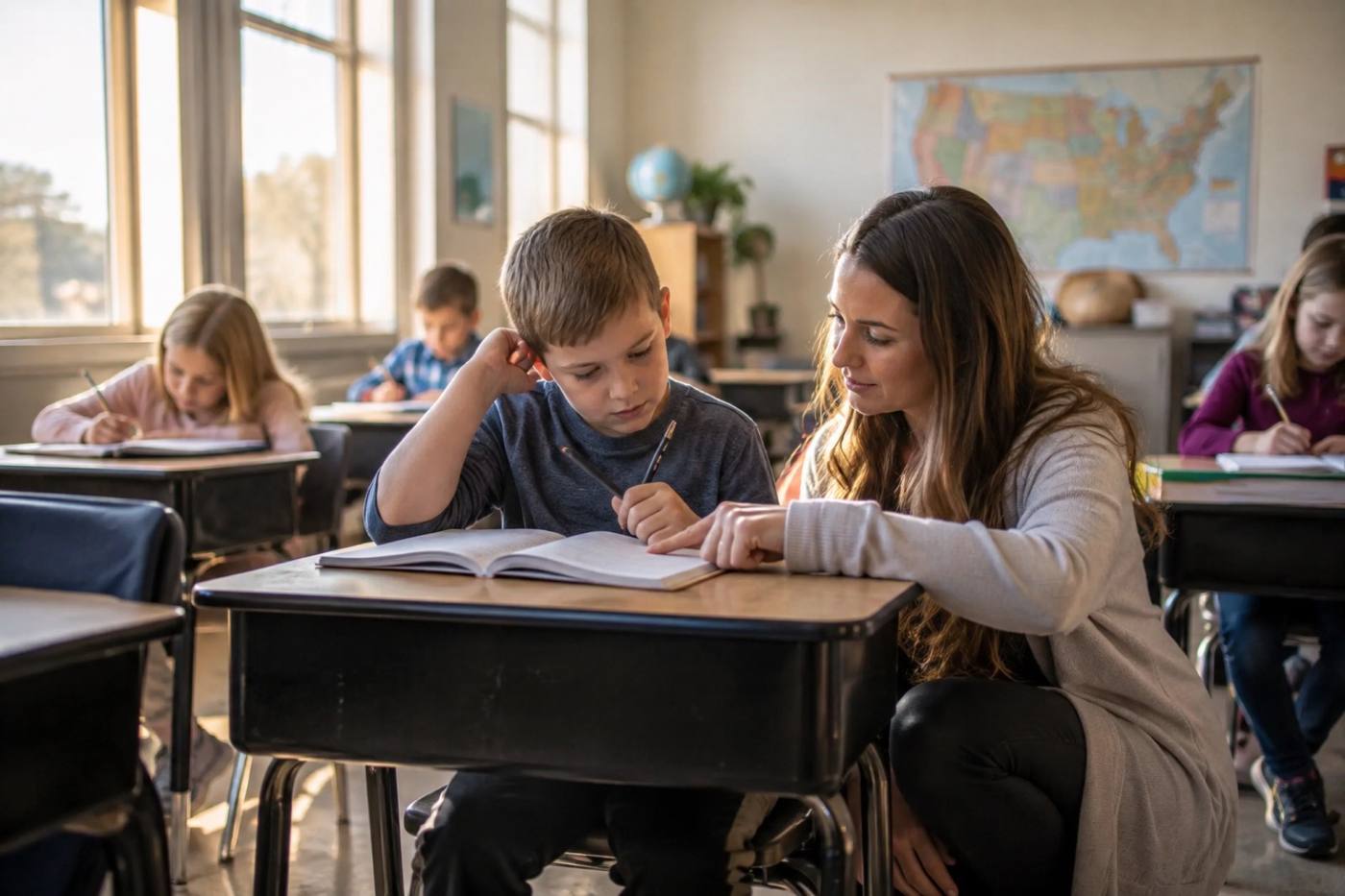
Inside a rural classroom, where the request starts
Donor
Foundation
District
Teacher
Student
The handoff
Follow one grant from a hand to a classroom.
This is the whole model, in five steps. Read it top to bottom and you will know who gives, who decides, who receives, and what the money actually does once it lands.
01The donor
02The foundation
03The district
04The teacher
05The student
01The donor
Someone in the county decides to give.
It starts with a person, a family, or a business putting money into one shared pool. Not earmarked, not tied to a single project — a gift the foundation can move to whatever a rural classroom needs most.
Annual giving campaign
02The foundation
We hold it, and we decide where it lands.
The foundation keeps the pool together and reads every request that comes in. Small amounts go out to individual classrooms. Longer commitments go to districts and to teachers who are building something that lasts past one school year.
Classroom micro-grants
03The district
The district shows us where the gap is.
Superintendents and principals know which room is short a set of books and which one is short a teacher. District partnership consulting is how we turn that knowledge into something fundable — a plan we carry together, past the first year.
District partnership consulting
04The teacher
A teacher takes it into the room.
You know the thirty seconds before a lesson lands, and exactly what would make it land better. A fellowship gives you a year of room to build that — time, materials, and people who keep asking how it is going.
Rural teacher fellowships
05The student
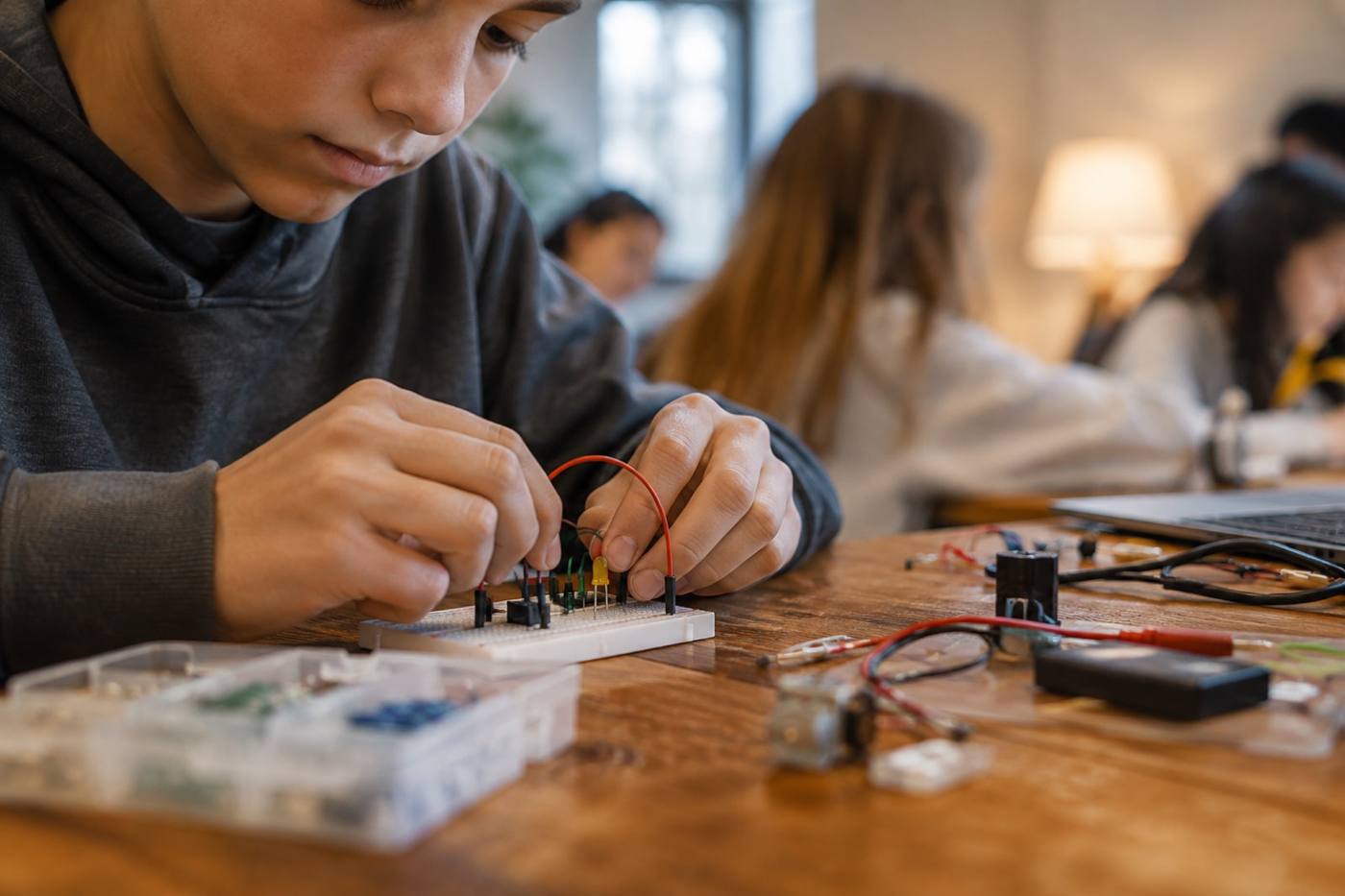
And then it is just a kid, a table, and something to build.
After-school STEM kits arrive as boxes, not paperwork. A student opens one, and for an hour after the last bell the light is right there in their hands. This is the end of the chain, and the reason for all of it.
After-school STEM kits
The last hour of the school day, in their hands
For students
Scholarship funds
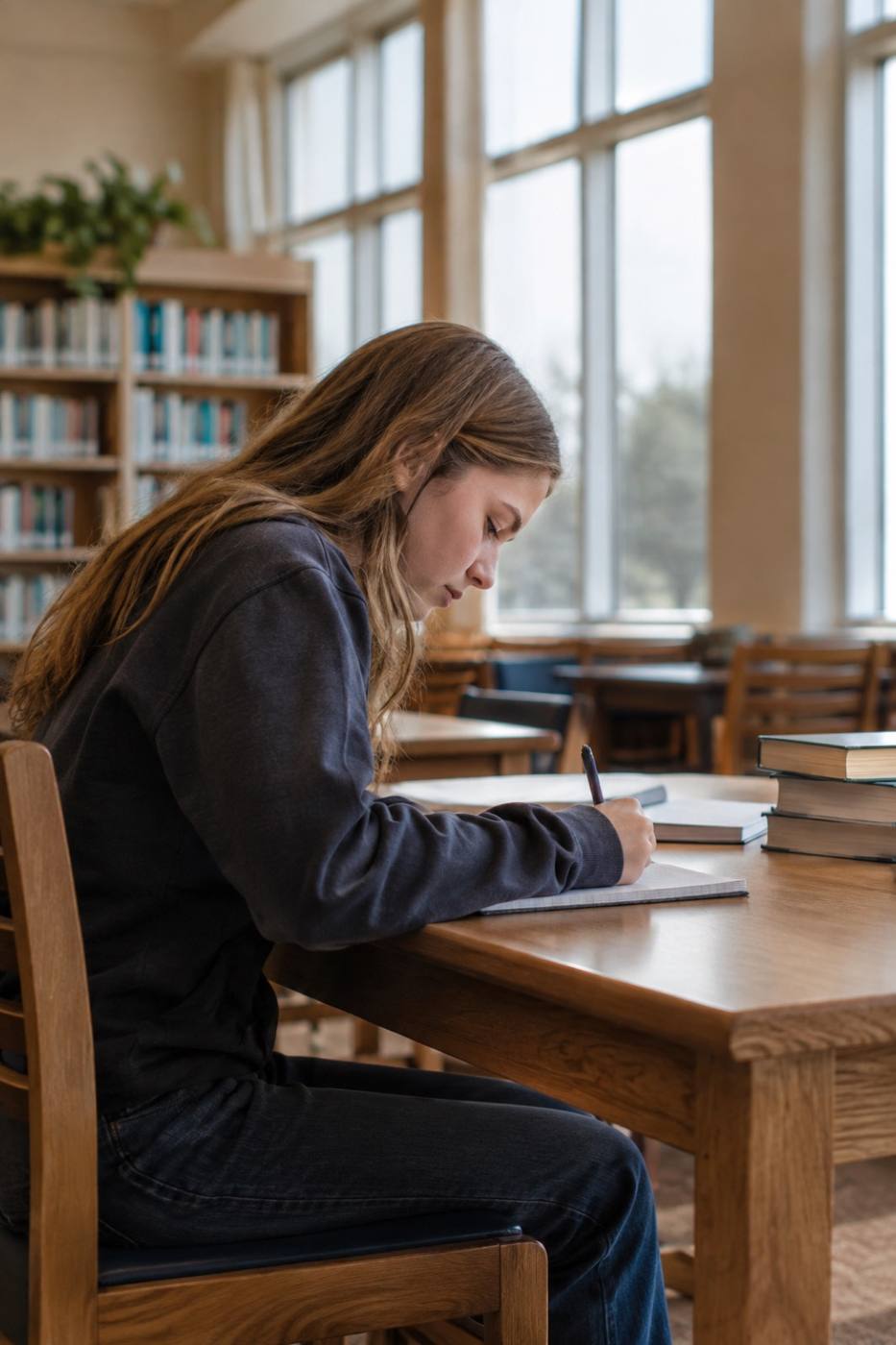
If you are finishing school in a rural district around Grand Island, this fund is set aside for students like you — and the application is the only thing standing between you and it.
Open to students in the rural districts around Grand Island.
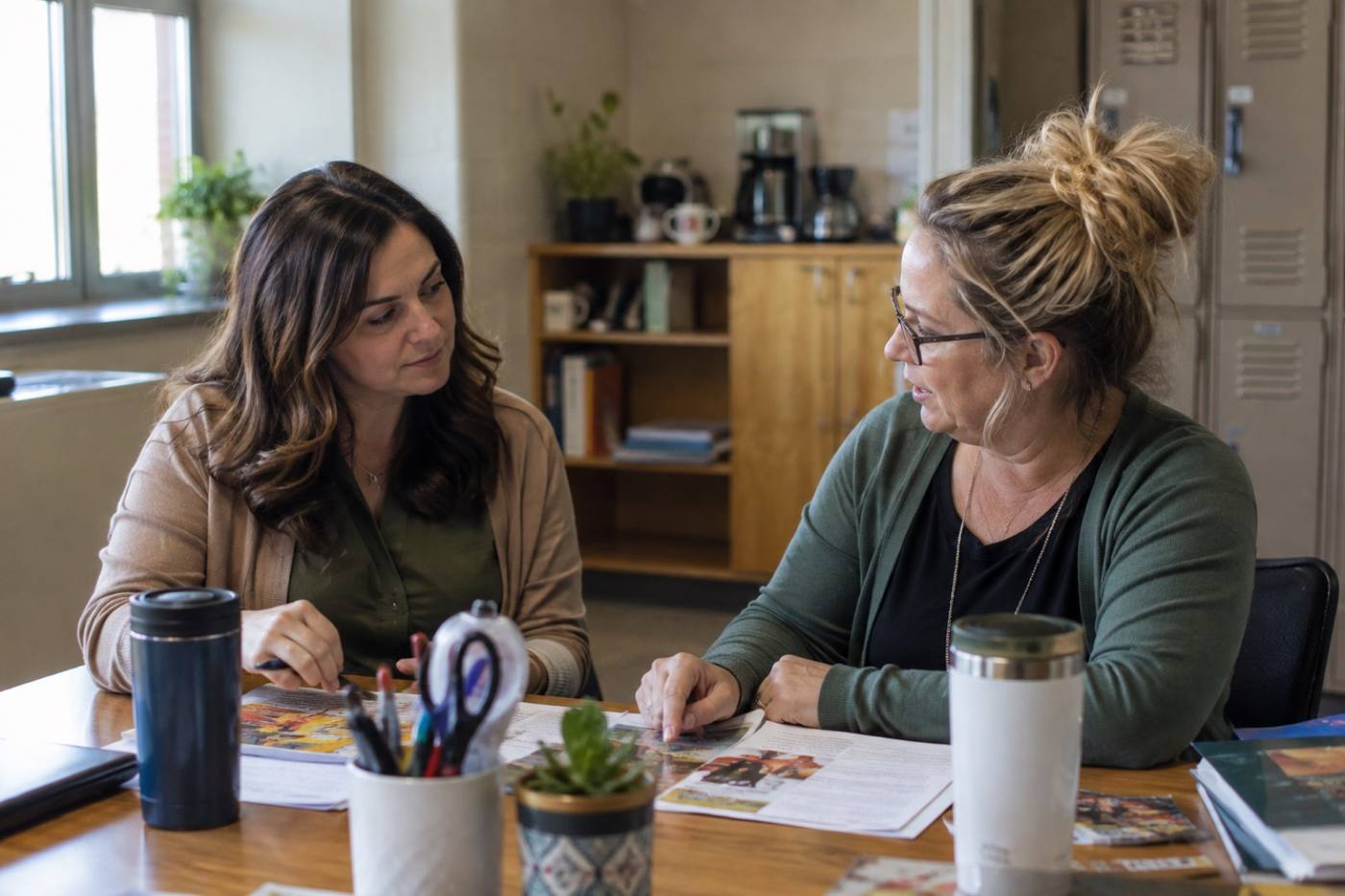
A fellowship is a year of backing for a teacher who already knows what their room is missing. You bring the plan; the foundation brings the rest and stays in touch while you build it.
Students applying for a scholarship and teachers applying for a fellowship use different forms, but the same idea: tell us where you are and what the money would change. Both tracks are read by the foundation.
Every stage on this page began with someone deciding to give. The annual giving campaign gathers one pool for the rural districts around Grand Island, and the foundation moves it out again — to classrooms, to teachers, to students. Add to it, and the light keeps travelling.