Native plant nursery · Yellow Springs, Ohio

Native plants grown here, for ground across the region.

Native perennials, pollinator seed mixes, landscape design, contract growing and restoration consulting — for homeowners and for the crews putting plants in the ground.

Rack tag No. 001 · Paw Paw Ridge Nursery
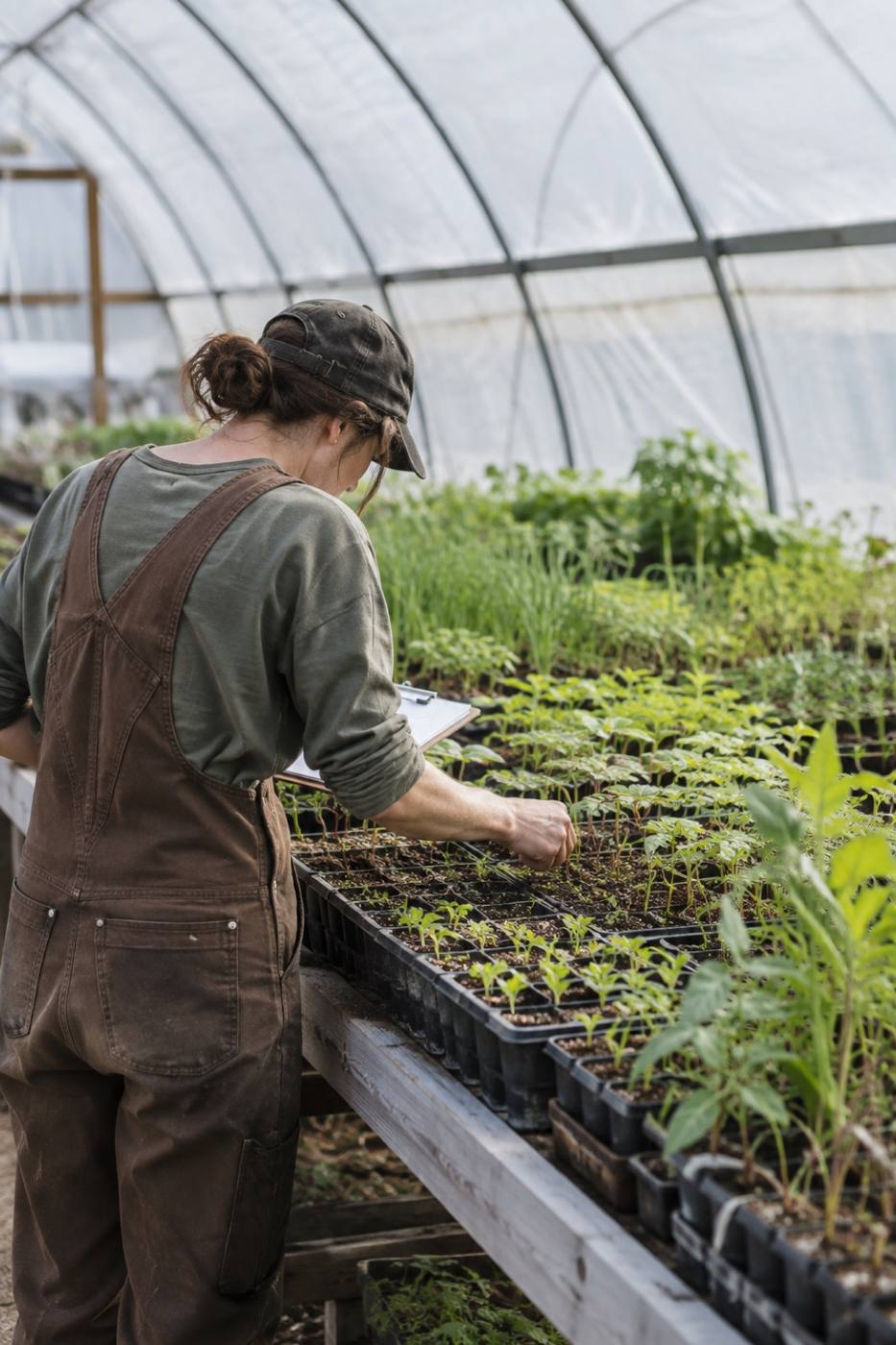
At the nursery

Tell us what is going in the ground and we will tell you what we can grow for it.

Grown for
Homeowners, landscapers and restoration crews
Stock
Perennials in plugs, quarts and gallons
Seed
Pollinator mixes sold by the packet
Site work
Landscape design, species selection, establishment

Plants, seed and plans for the ground you actually have.

Three ways homeowners work with the nursery. Crews can go straight to contract growing and restoration.

01 · Nursery stock

Native perennials, potted and labeled by species.

Perennials for borders, meadows and the wet corner of a yard that never dries out — sold from the retail bench in plugs, quarts and gallons.

Every pot carries the species name and the growing notes, so you know what you have in your hands when you get it home to the bed.

Trays of native perennial plugs on benches inside a nursery hoop house

Bench run · plugs before potting on

Form
Plugs, quarts and gallons
Sold
Retail, at the nursery
Tag
Species and growing notes

02 · Seed

Pollinator seed mixes blended to your site.

Forbs and grasses blended for the moisture and light your ground actually has — dry slope, mesic field, or the wet corner that never dries out.

Each packet leaves with the species list and the sowing rate printed on it, so the planting can be read back years later.

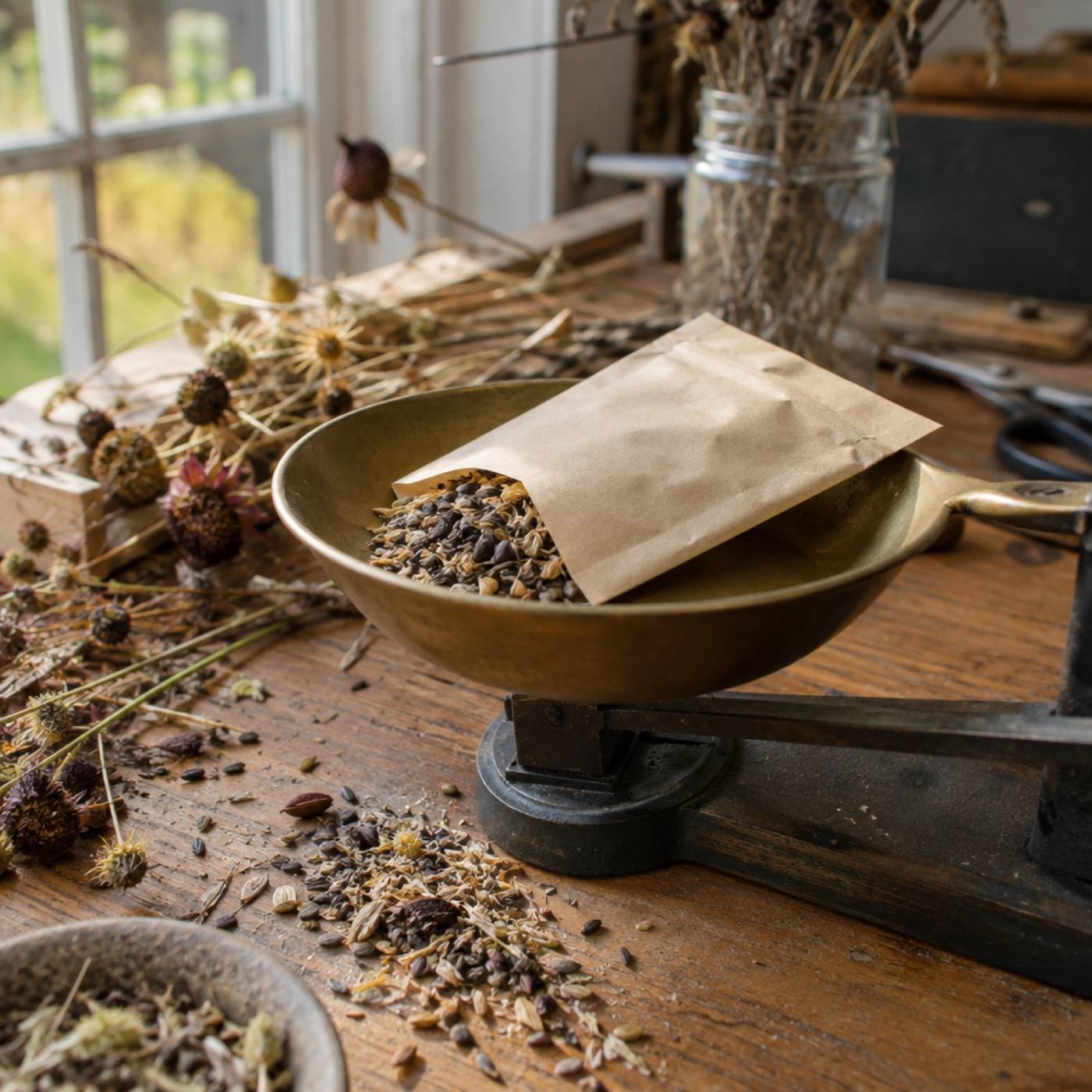
A paper seed packet of native pollinator mix being weighed on a small scale

Packet and scale · bench work

Mix
Forbs and grasses for pollinators
Ground
Dry, mesic or wet
Packet
Species list and sowing rate

03 · Design

Planting plans drawn around the light you already have.

We walk the site, read the soil and the light, and draw a planting plan you can install in one season or in stages.

The plan comes with a species list, so the drawing and the tags on the pots agree with each other on planting day.

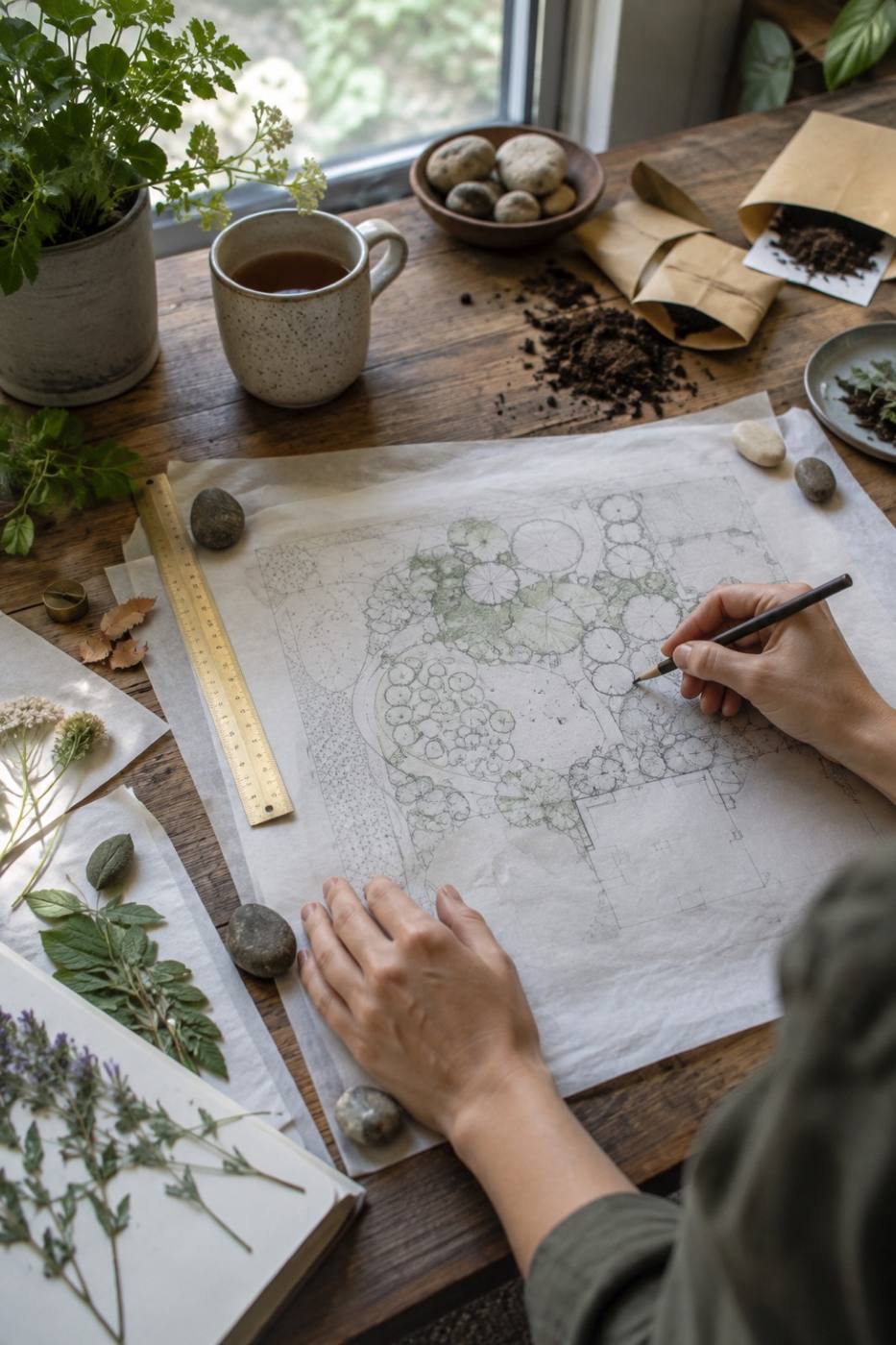
A nursery work table with a hand-drawn site plan, soil samples and plant cuttings

Site plan · species list attached

Plan
Drawing with a species list
Stages
One season or several
Site
Residential gardens and small acreage

For landscapers & restoration crews

Grown to your list, on your date.

Contract growing and restoration consulting for crews planting across the region. Bring the species, the quantity and the date you need plants in the ground, and we will come back with what we can grow here and what has to be sourced.

  1. 01 Send the site notes — species, size, quantity, and the date you need plants in the ground.
  2. 02 We confirm what we can grow here and what has to be sourced, with the schedule written down.
  3. 03 The batch is grown as its own run, kept separate on the bench from potting on.
  4. 04 Plants leave matched to your plan, ready for the date you set.

Contract growing

Your species, your size and your quantity, grown as its own run rather than pulled off the retail bench.

Volume
By contract to your numbers
Species
Perennials from seed and cuttings
Timing
Set against the grow schedule

Restoration consulting

Species selection, seed sourcing and establishment for the sites where the planting has to stand on its own.

Scope
Species selection, seed sourcing, establishment
Sites
Meadows, buffers and streambanks

Quotes for contract growing start with the grow schedule — the earlier the date is fixed, the more of the list can be grown here.

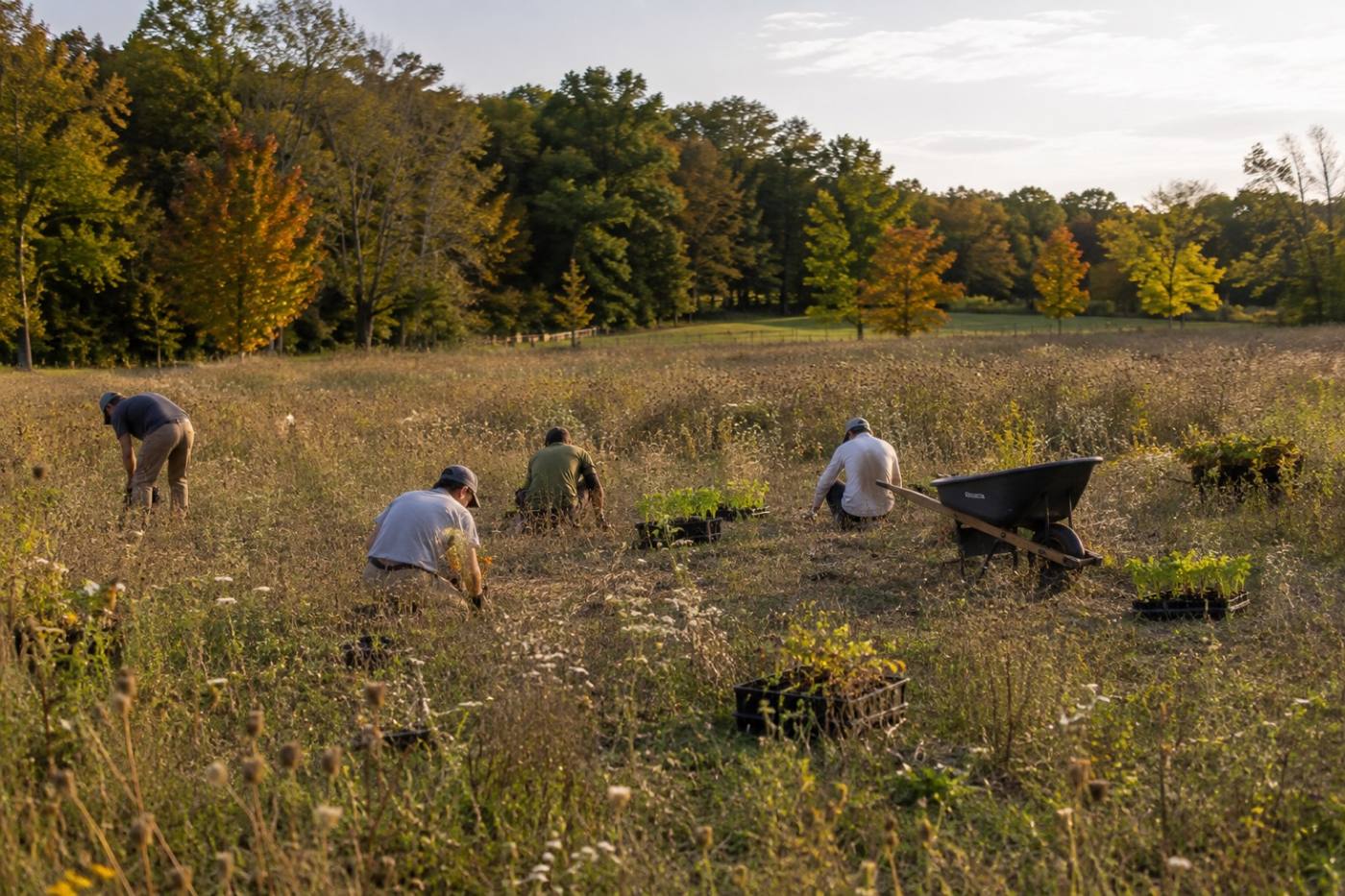
A crew planting native plugs across a restored meadow at the end of the day

Establishment · natives set out along the planting plan

Specimen sheet No. 01

Asimina triloba

Pawpaw · the tree the ridge is named for

The nursery takes its name from the pawpaw — an understory tree of eastern woods with broad leaves and fruit in early fall. It is a good plant to know before you draw a plan around it.

Genus
Asimina
Species
triloba
Form
Understory tree, broad leaves
Fruit
Ripens in early fall
Range
Eastern deciduous woods
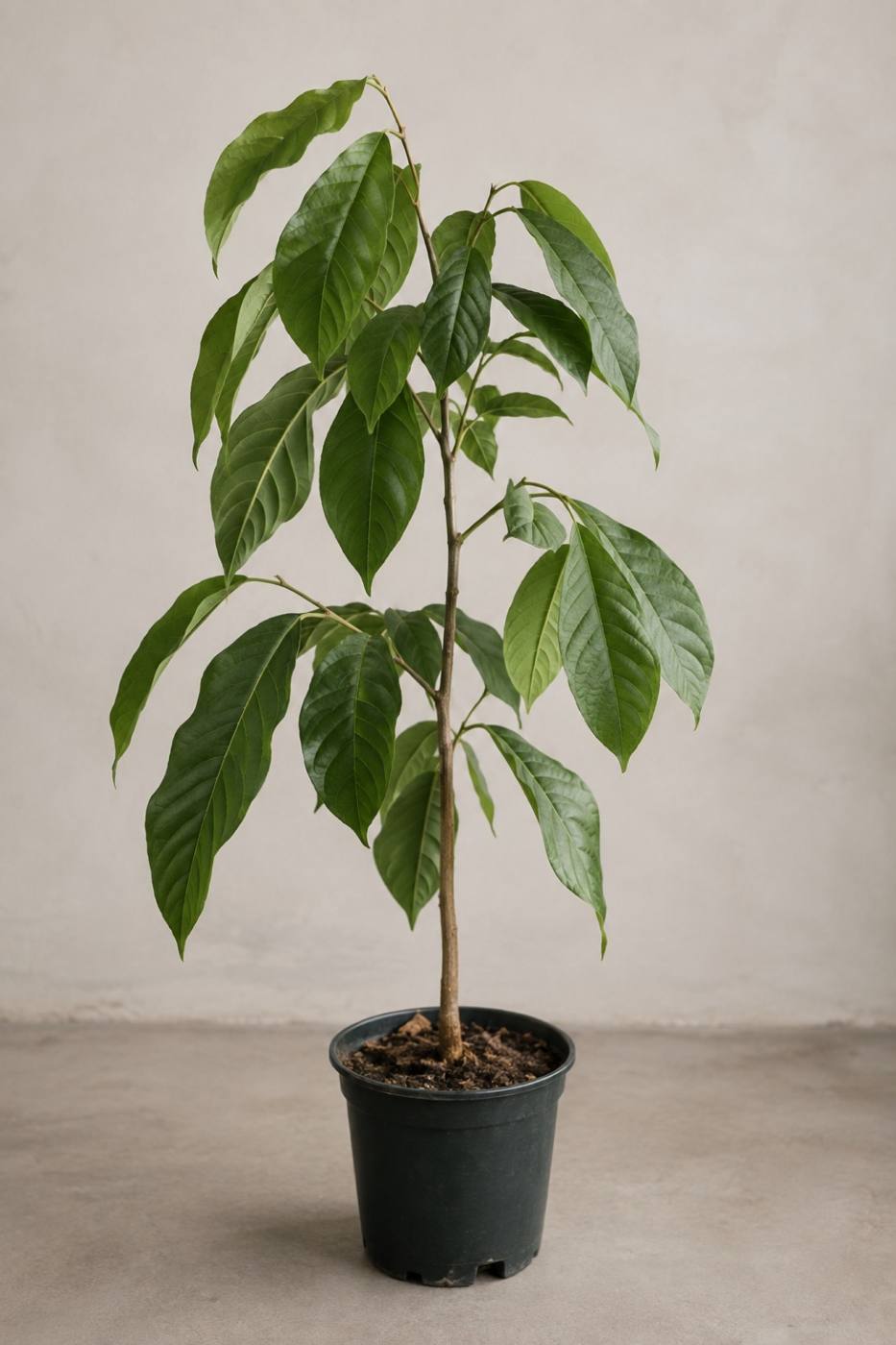
A young pawpaw sapling with broad green leaves, photographed as a specimen portrait

Plate 01 · grown from seed, named at the bench

Quote request

Tell us what is going in the ground.

Send the site, the species and the date you need plants. We will come back with what we can grow here, what has to be sourced, and a quote.

  • Site location and county
  • Planting area or quantity
  • Species list, or the effect you want
  • Delivery date or planting window

Species lists welcome — describe the site and we can price the planting.