Duluth, Minnesota — Holding company

There is a seat for the long term.

We hold businesses across the Upper Midwest and work with institutional partners who measure a return in decades rather than quarters. This page is the briefing we would give you across a table.

The Duluth harbor and Lake Superior shoreline at first light

Where we sit Duluth is home. It is also the market we know best — its operators, its suppliers, and the families who have built companies here for generations.

Meridian Bluff Holdings — portfolio strategy, capital allocation, acquisition sourcing, subsidiary governance, investor reporting. Speak with the partner's office →

01 — What we look for

Businesses that have already earned their patience.

We are not looking for a turnaround story. We are looking for a company that works — and an owner who wants to know it will keep working.

  • 01

    Enduring demand

    Customers who come back because the product is right, not because a contract holds them there.

  • 02

    A team that stays

    We buy to hold. The people who built the company are the people we want running it afterwards.

  • 03

    Legible economics

    Books that tell the truth, margins that come from operations, and a capital structure we can read in an afternoon.

  • 04

    A reason to be talking

    Succession, a partner stepping back, a next chapter that needs a steadier hand. We would rather hear it early.

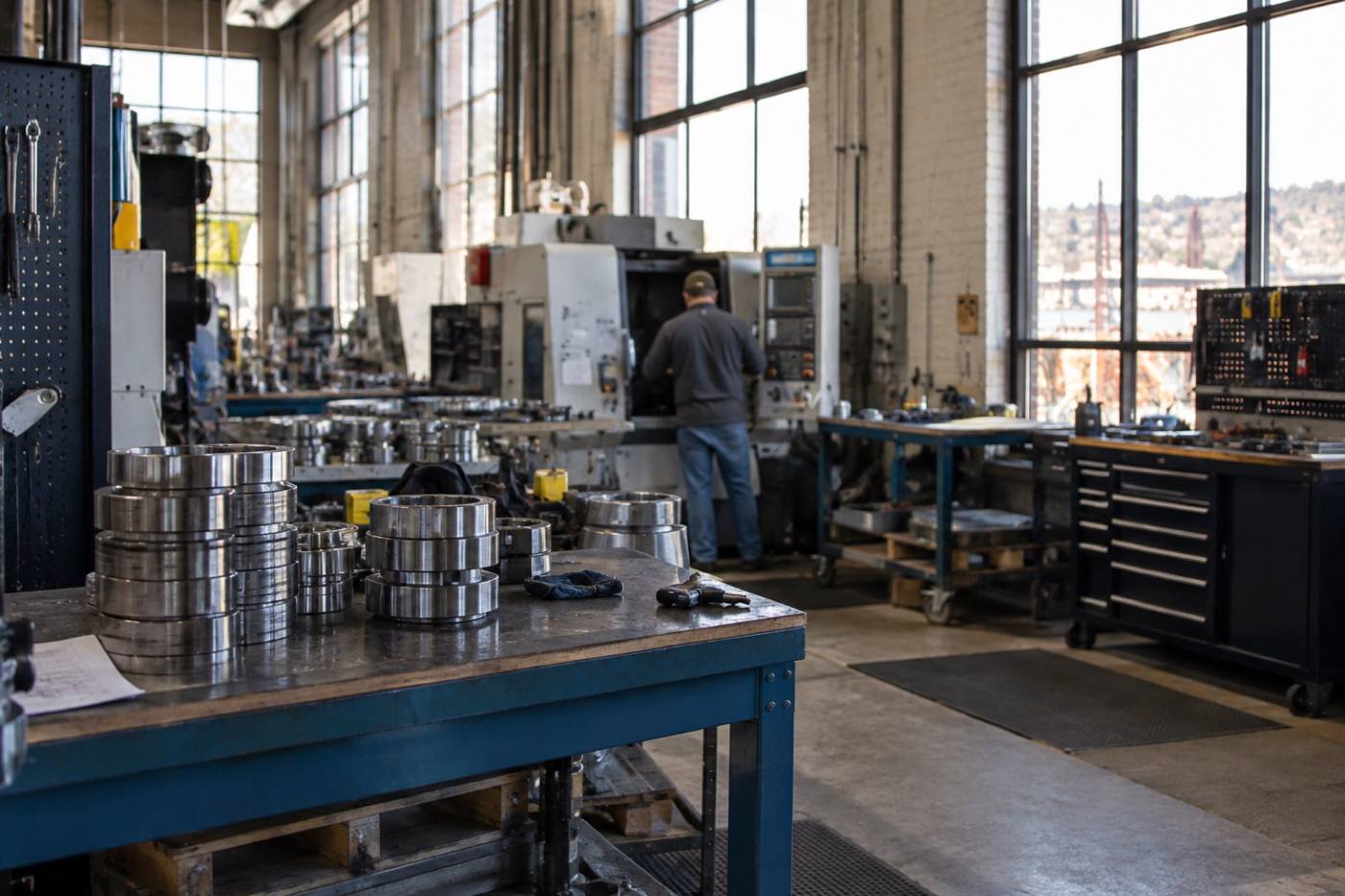
A production floor in the Upper Midwest during a working shift
Site visits before term sheets. We spend our time where the work actually happens.

02 — How capital is allocated

One portfolio. One set of priorities.

Every subsidiary competes for the same dollar. Our job is to decide which one has earned it, and to say so plainly to the people running the business.

Portfolio strategy, capital allocation, acquisition sourcing and investor reporting are not four separate exercises. They are one conversation, held on a schedule, with the same numbers in front of everyone.

A boardroom table with papers and a notebook in morning light
Allocation decisions are written down, dated, and revisited. If we were wrong, we say so.

03 — How subsidiaries are governed

Local operators, clear lines, no surprises.

We buy companies and keep them. That only works when authority sits close to the work and the reporting lines are honest in both directions.

  • Boards sized to the business

    A small board with the people who know the industry, the numbers and the town.

  • Decisions made close to the work

    Operating calls belong with the management team. We set the standard and stay out of the way of the craft.

  • Reporting that reads like a conversation

    Short, regular, and written in language the board can act on rather than decode.

Two colleagues reviewing plans together at a work table
Governance is a standing meeting, not an escalation. It should feel routine.

04 — What partners receive

The full picture, on a regular cadence.

Institutional partners are not spectators. You hear about the quarter in plain language, from the person who made the decision.

Start with a conversation, not a deck.

If you own a business in the Upper Midwest, or you allocate capital on behalf of others, we would rather talk early and informally than formally and late. The chair is already pulled out.