Export crating & ISPM-15 pallets · Oversized equipment
Marsh Run builds custom wood crates, heat-treated pallets and export packing for manufacturers shipping oversized equipment. Treatment records are filed against the job number.
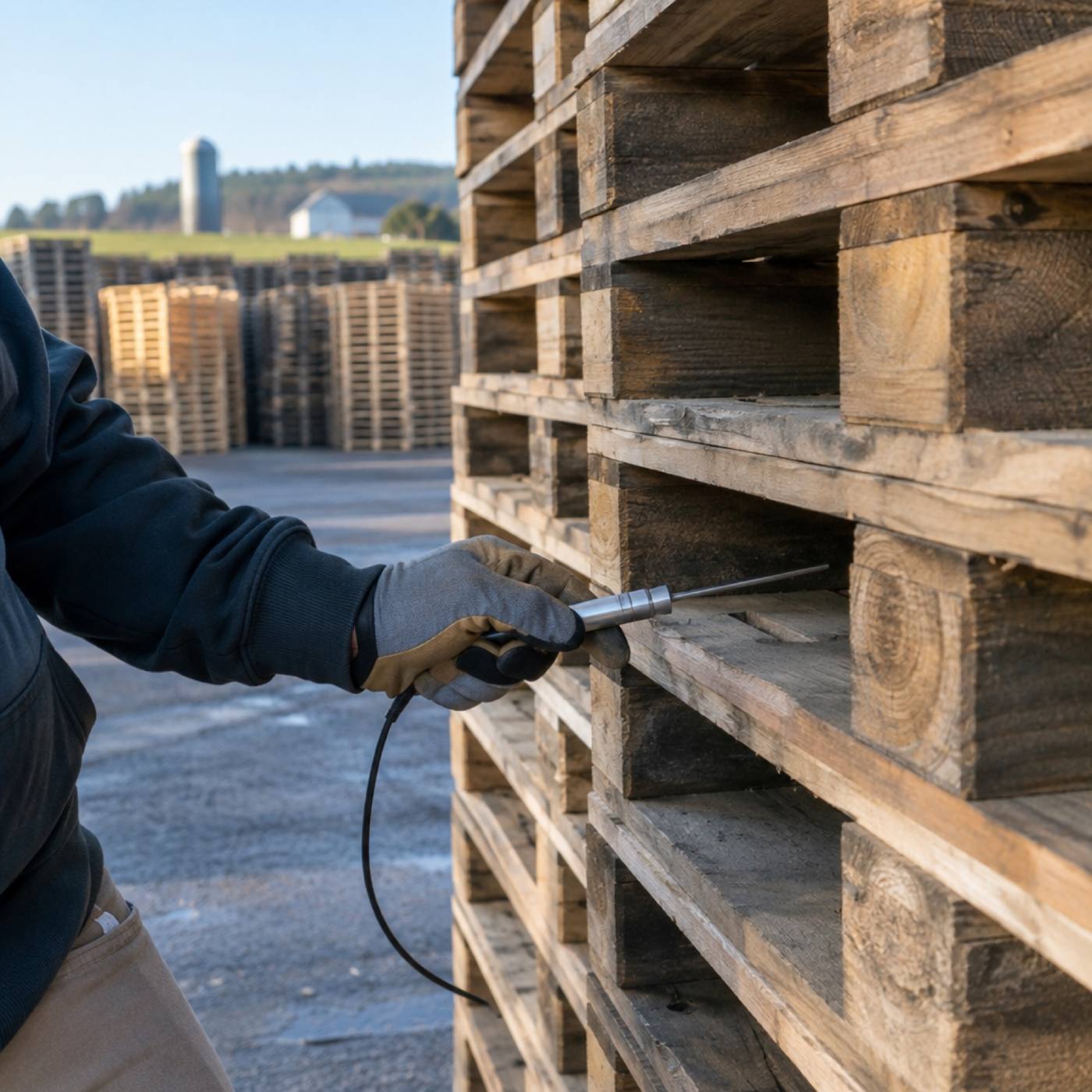
Heat-treated stock, marked at the block — Lancaster shop floor
Treated to schedule, marked at the block, and filed against the job.
Blocked and braced to your equipment envelope, not to a stock shelf.
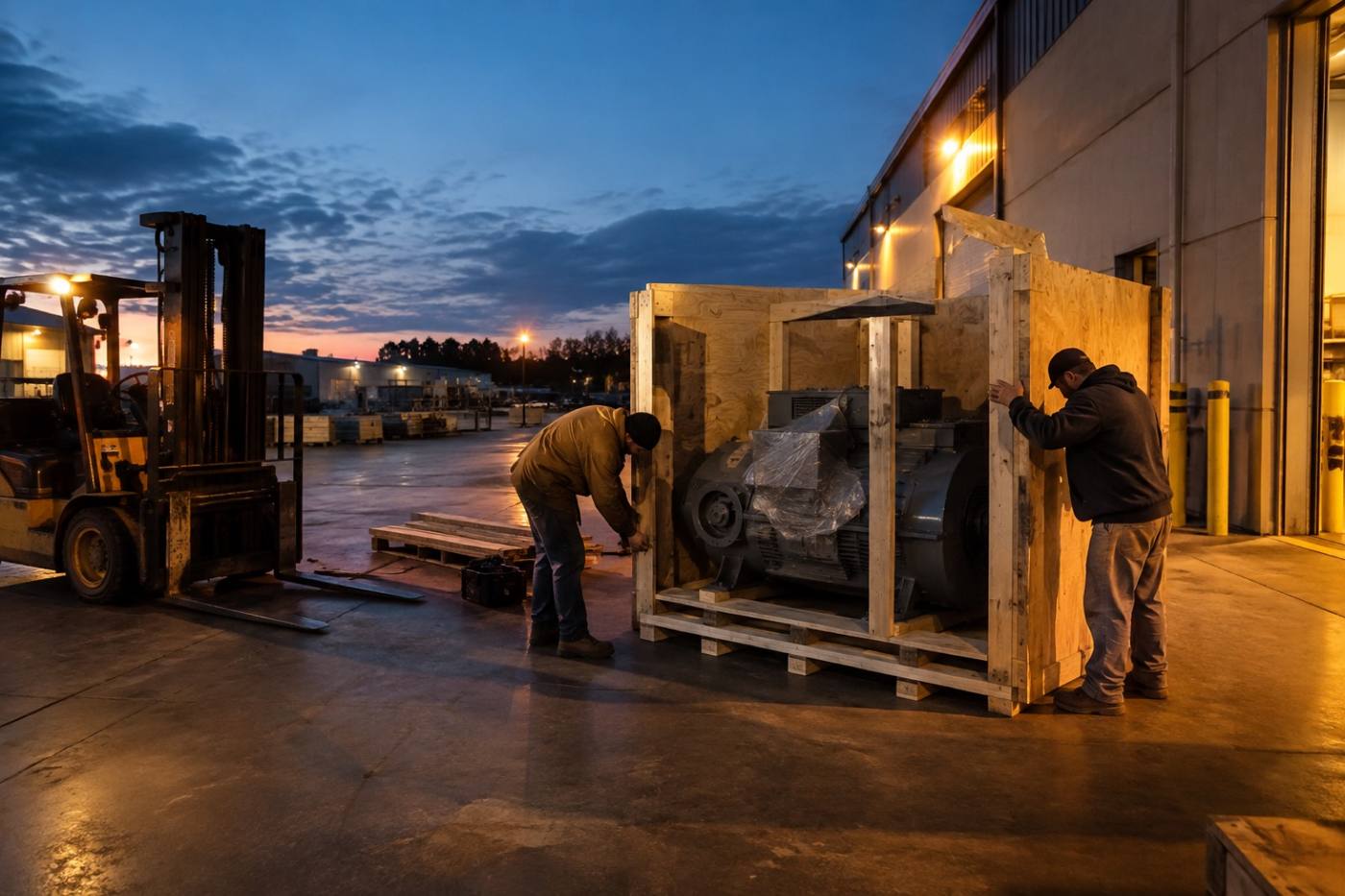
We can build the enclosure where the equipment sits.
ISPM-15 isn't a sticker. It's a process we can document. Here is the work Marsh Run does for exporters, and how each piece is covered — treatment, crate, insert, test, crew.
| Service | Treatment | Crate | Insert | Test | Crew |
|---|---|---|---|---|---|
| Custom wood crates Blocked and braced to your equipment envelope. | Specified per job | Standard | Specified per job | Specified per job | Specified per job |
| ISPM-15 heat-treated pallets Kiln schedule logged, mark applied at the block. | Standard | Not applicable | Not applicable | Specified per job | Not applicable |
| Export packing Crates, pallets, inserts and testing under one job number. | Standard | Standard | Standard | Standard | Standard |
| Foam & corrugated inserts Cradles and void fill cut to the profile of the part. | Not applicable | Specified per job | Standard | Specified per job | Not applicable |
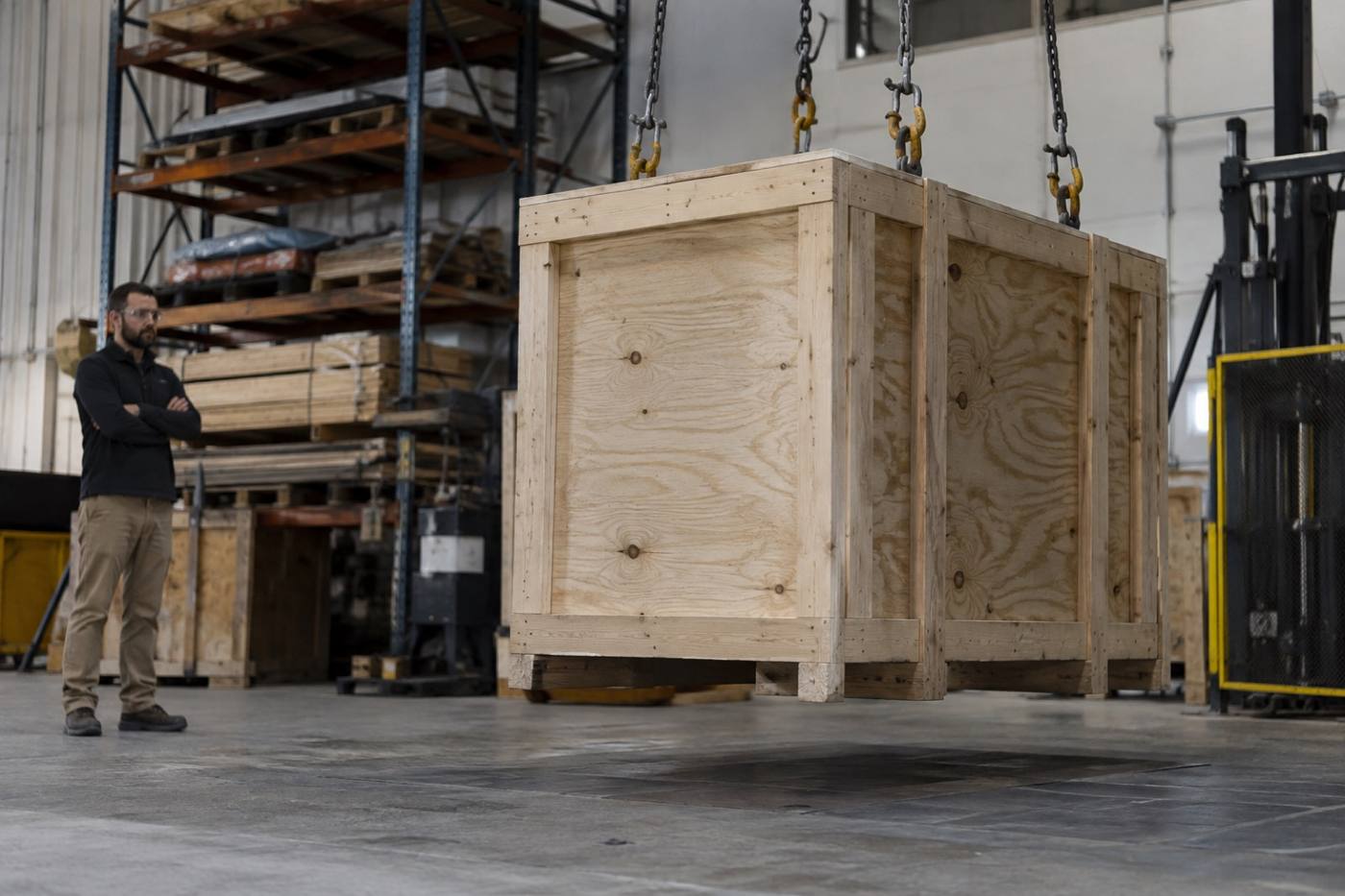
| Drop testing We drop it here so it isn't dropped out there. | Not applicable | Specified per job | Standard | Standard | Not applicable |
| On-site crating crews Built at your plant, at the loading dock, or in the yard. | Standard | Standard | Specified per job | Specified per job | Standard |
● Standard on the job ○ Specified per job — Not applicable

The stamp on a pallet block only means something if the run behind it was recorded. This is that run, from intake to release onto the crate floor.
Treated stock, set aside for export work
Board species, thickness and starting moisture are recorded before anything enters the kiln. If the stock isn't right, it doesn't get treated — it gets replaced.
Core temperature is held to the ISPM-15 schedule for the full duration and logged as it runs. No shortened cycles to make a ship date.
Probes read the core of the board, not the surface. Every run is charted, so the numbers exist on paper afterwards rather than in memory.
The mark is applied to the block once the run clears — the treatment stamp goes on the wood where a border inspector looks for it.
Treatment records are filed against the job. When a forwarder asks what happened to a specific shipment, there's an answer rather than a shrug.
Treated stock moves to the crate floor and is held for export work only, so treated and untreated lumber never get mixed on the same load.
Freight forwarders don't need a brochure — they need to know the crate will clear. Ask for the treatment record, the test notes and the crew that built it. It's all filed against the job number.
Drop testing a loaded crate before it leaves the shop
Crating crew on site at the plant — the enclosure built where the equipment sits, then documented before it loads
Start a quoteOversized freight quotes are only as good as the details behind them. Give us the envelope, the weight and where it's crossing, and we'll price the crate, the treatment and the crew it actually takes.