Invoices
Header fields, line items, tax and totals, read from the files suppliers actually send, with each value tied back to its source page.
Durham, North Carolina · Private deployment
Ledgerlight AI deploys private language models inside your own environment. Invoices, claims and contracts are read on your side of the wall, and a person confirms every field before it reaches a system of record.
Invoice & claims extraction Contract review models Human-in-the-loop review API integrations

How it works
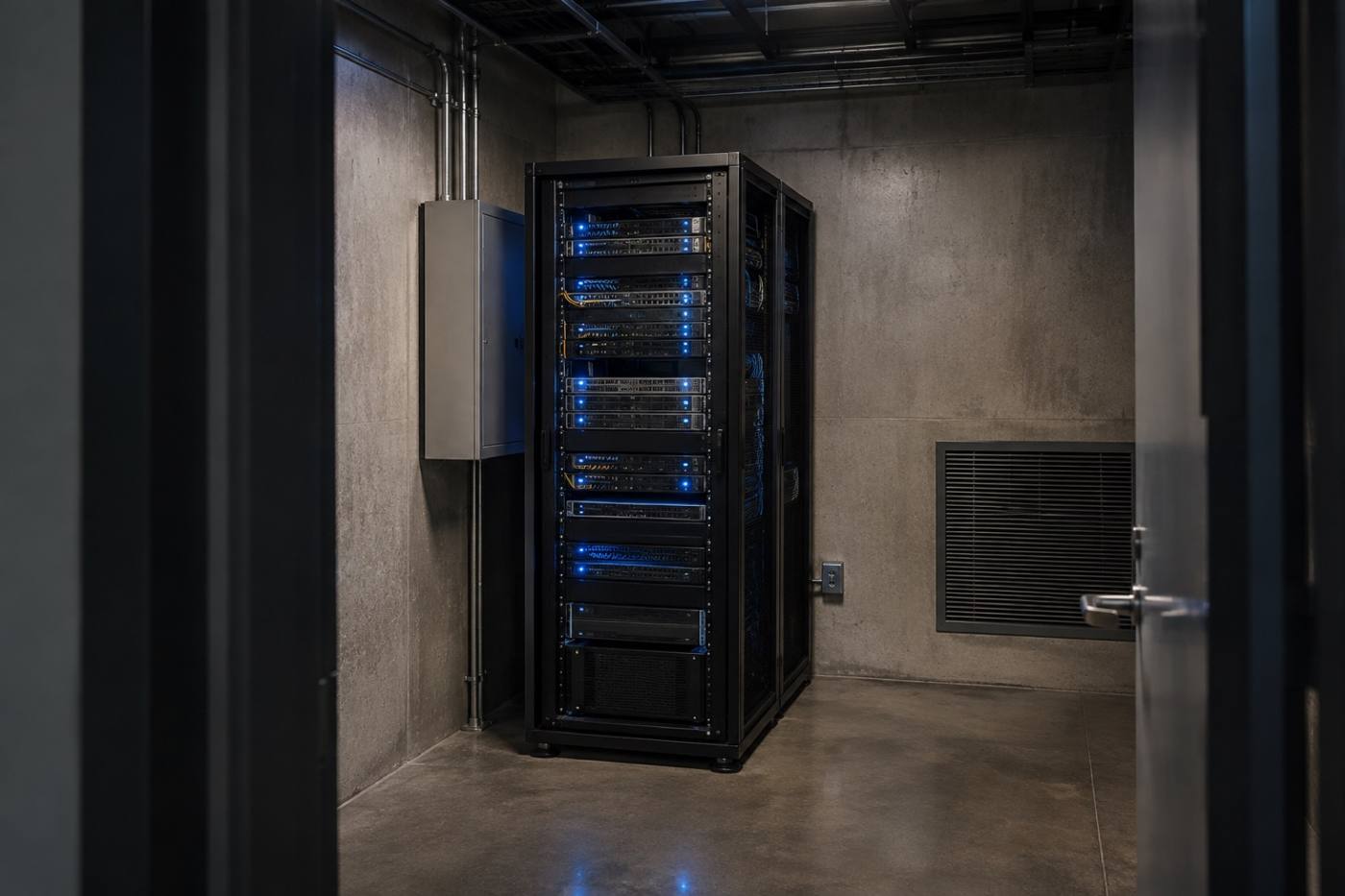
Nothing goes out to a third party. Inference, retrieval and logging run behind your own access rules, and every value the model returns points back to the page it was read from.
Documents arrive from a watched folder, a scanner, or an upload flow your team already uses.
Structured fields come back with page-level provenance attached to every value the model returns.
A queue holds the fields that need a human decision, so corrections happen before anything is recorded.
Finished data is pushed into the finance or claims systems you already run, through an endpoint you control.
What the model reads
Scans, photographs, exports and the forms nobody designed. Every extraction keeps a link back to the source page, so a reviewer can check the model's work in a click.

Header fields, line items, tax and totals, read from the files suppliers actually send, with each value tied back to its source page.
Claim packets arrive as scans, photographs and half-finished forms. The model returns the fields a review team needs and flags the ones it will not guess at.
Clause-level review models surface the terms your team cares about, and leave the judgment call to the person who signs.
Every deployment ships with the review tooling and API integrations that put the output where your team already works.
Shipped work
Engagements are described by their shape, not by client names. The documents and the figures stay where they belong.

Submitted claim documents go in; the fields a review team needs come out, each one traceable to the page it was read from.
Supplier invoices are read in the finance team's own environment and handed to their existing systems through an integration they control.
A review model marks the clauses that matter, and a person confirms every call before anything is recorded.
We name clients only with their permission.
Start here
We scope pilots around one document type and one team. Bring us the paperwork you would never send to a public model.
Durham, North Carolina