Story City, Iowa · 42.19°N / 93.60°W
Corn and soybeans, custom combining, grain drying and storage, cover crops and agronomy — contracted by the field and run by one crew.
Five capabilities, one operation. Everything below runs off the same crew, the same equipment and the same set of records, so a contract signed with us looks the same in the field as it does on paper.
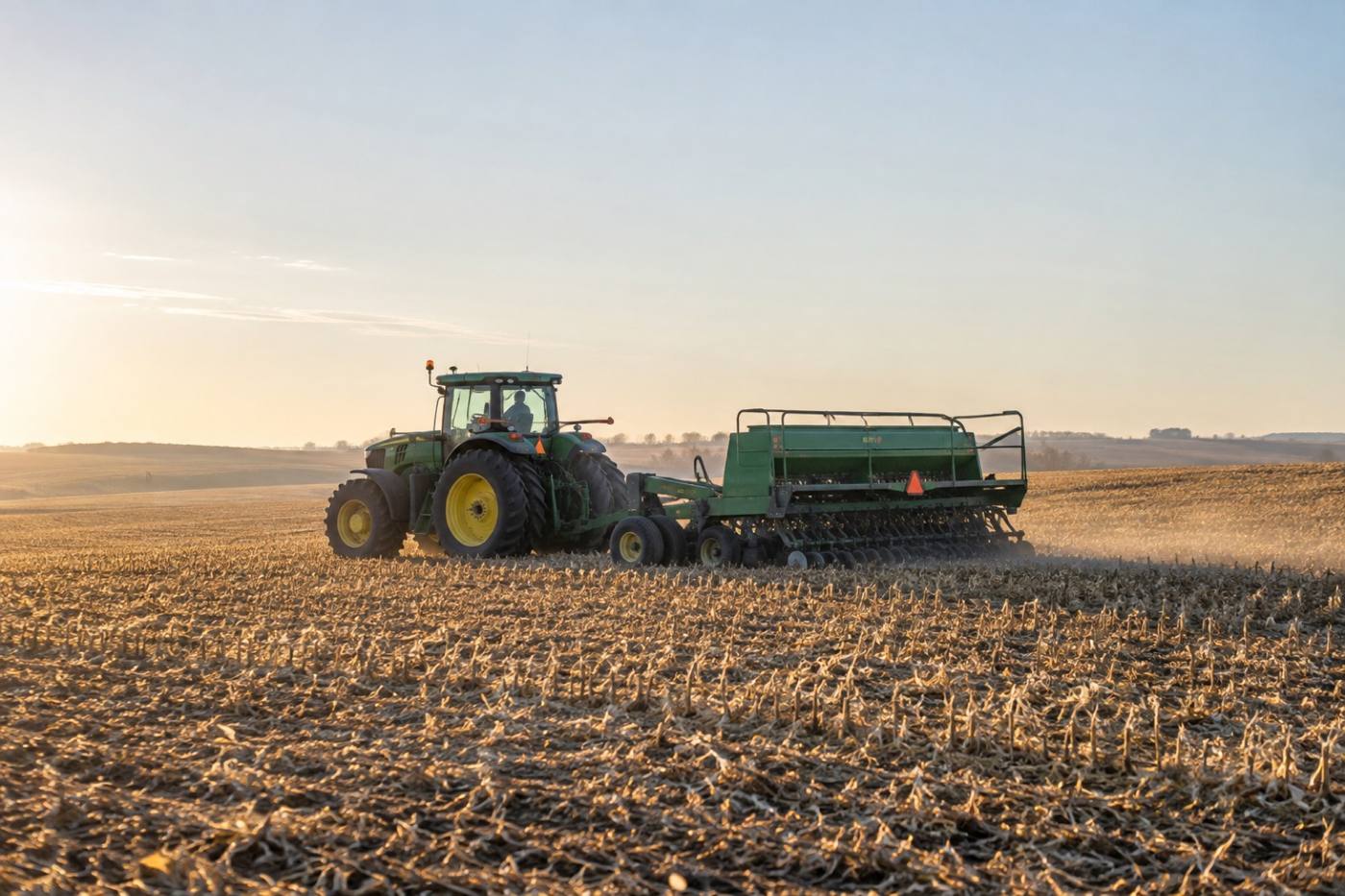
Row crop acres planted, worked and harvested on a corn–soybean rotation, so what comes off the field is what your scale and your dryer are set up to take.
Cover crops seeded behind the combine and in the fall window, holding the ground through winter and setting up the next rotation before the season turns.
Our machine on your acres, scheduled field by field. Corn and beans run separately, at the moisture your contract calls for and on the window you set.
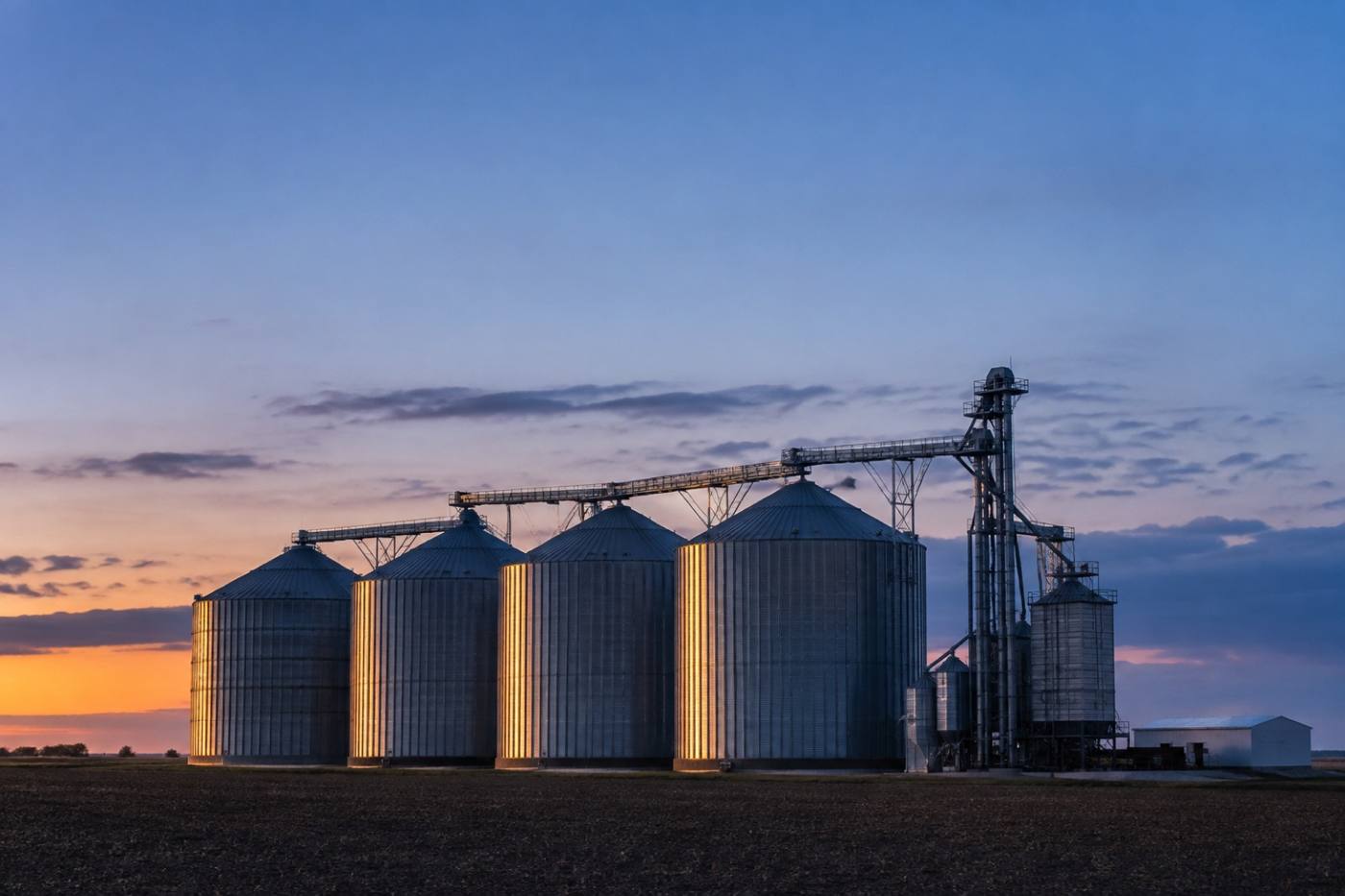
Grain brought down to contract moisture and held in our bins until the truck rolls, so a wet week in the middle of harvest doesn’t cost you a delivery.
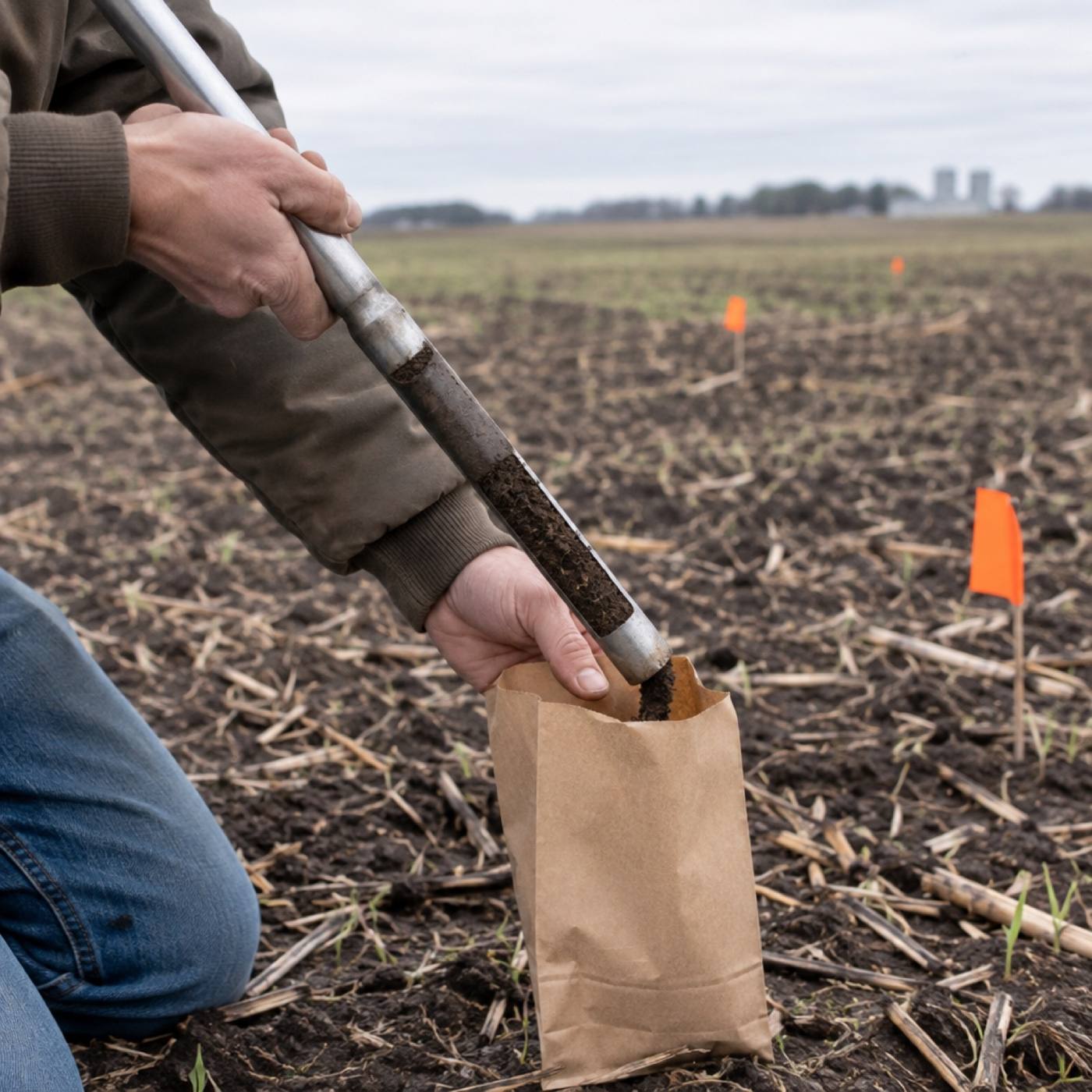
Soil sampling and field-by-field agronomy, so next season’s plan starts from what the ground actually says instead of what it did last year.
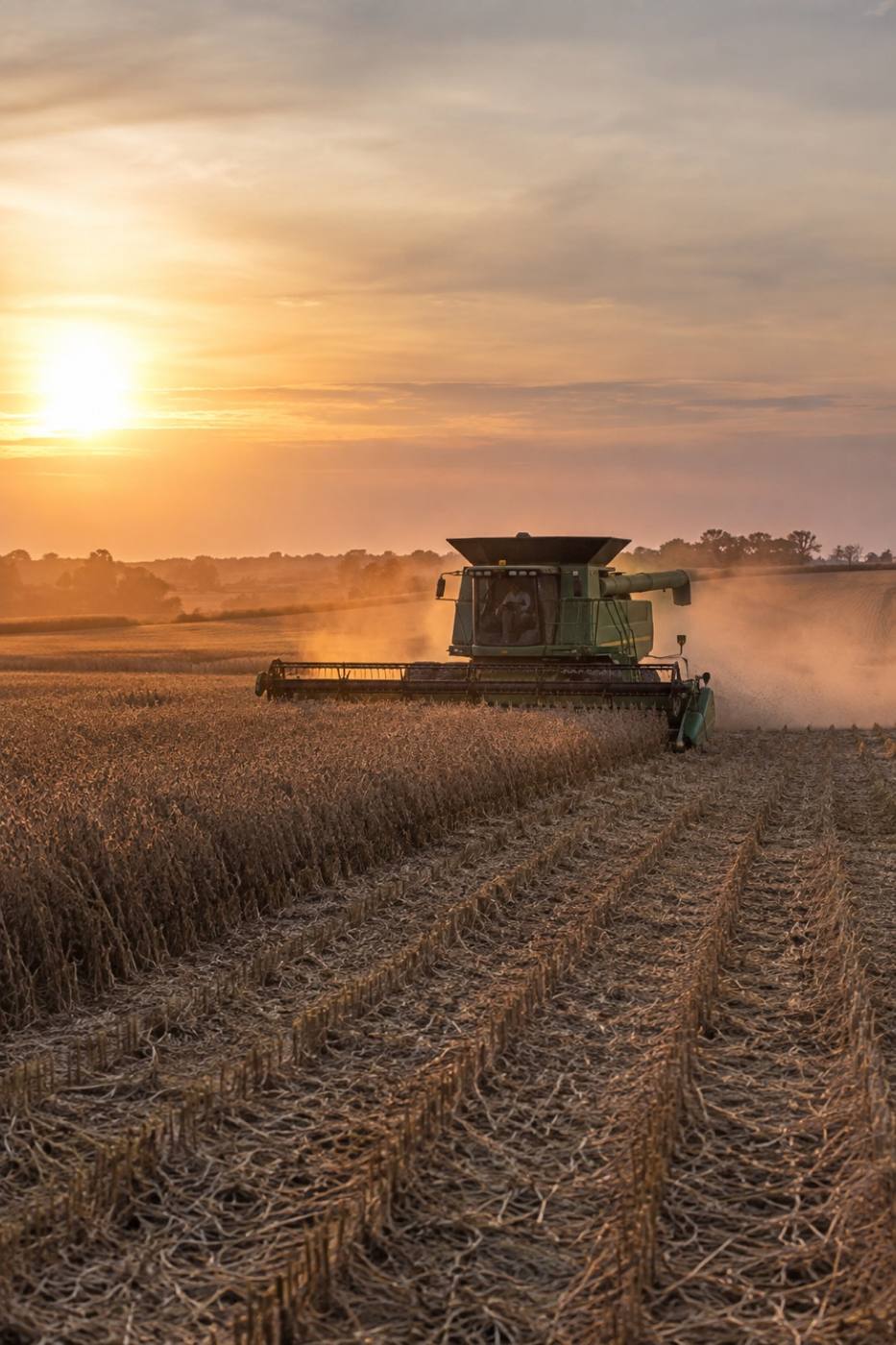
Custom harvest is booked by the field, not by the calendar. Machine capacity is matched to the crop and the moisture, the run keeps moving across each field, and grain is loaded the way your elevator wants to receive it.
Tell us the fields, the crop and the window you need covered. We build the run around your delivery dates.
Corn and soybeans come off separately, with moisture checked as the machine moves through each pass.
Grain moves to your elevator, co-op or bin, dried to the moisture the contract names.
Once the crop is off, the work isn’t finished. Drying and storage sit between the field and your scale, and that stretch is where a contract is either met or missed.
Row crop acres worked on a corn–soybean rotation, planted and harvested by the same crew that runs the rest of the operation.
Wet grain out of the field comes down to contract moisture through the dryer, then sits in our storage until your elevator, co-op or bin is ready for it.
Soil sampling tells us what each field needs. Cover crops hold it there through the winter. On ground worked in a rotation, the two run off the same set of maps — the same ones behind every contract we sign.
Sampling across the fields, walked and logged field by field so the numbers belong to a piece of ground, not to an average.
Fertility, variety and rotation decisions built from those samples and from what each field did the year before.
Cover crops seeded behind the combine or in the fall window, holding the ground and the soil in place until spring.
Tell us what your elevator or co-op needs covered this season — the crop, the volume and the window — and we’ll come back with what we can run and when. Harvest capacity is booked early, so the earlier the field numbers land on our desk, the better the fit.