Emergency response
When the call comes, trucks roll. We coordinate the response so local crews and incoming volunteers aren’t working at cross purposes in the same block.
Crossroads relief network
When a storm hits, people come in and supplies go out. We keep both lanes moving — emergency response, volunteer deployment, donation coordination, rebuilding projects and training.
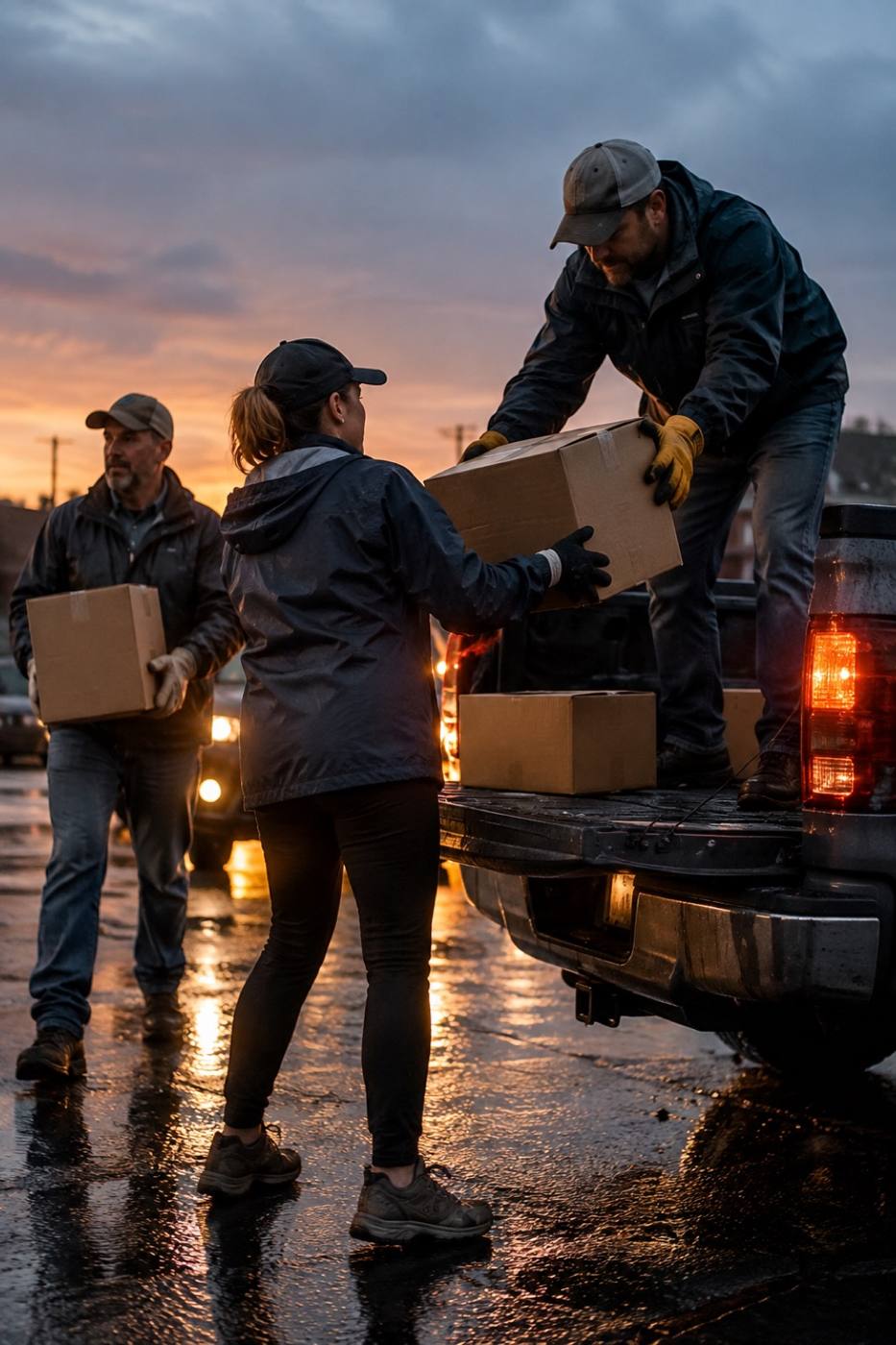
Left lane — I can go
Sign up for volunteer deployment and we’ll place you where the work actually is — hands, trades or a driver’s seat.
Volunteer sign-upRight lane — I can give
Fund supply runs, rebuilding projects and training for crews working the route, or tell us what to send and where.
Make a donationMile markers 01–05
Relief isn’t one job. It’s a chain of them, and each one has to land in the right place at the right time. Here’s what we run.
When the call comes, trucks roll. We coordinate the response so local crews and incoming volunteers aren’t working at cross purposes in the same block.
Tell us what you can do and when you’re free. We place volunteers where the need is, not where the crowd already is.
Cash, supplies and equipment — sorted, staged and moved to the job that needs them, so nothing sits in a parking lot waiting for a purpose.
Recovery is the long mile. We stay on it — repairs, rebuilds and the crews who can finish the job after the news trucks leave.
Training runs before the truck does. Learn the skills now so you’re useful on day one instead of standing in the way.
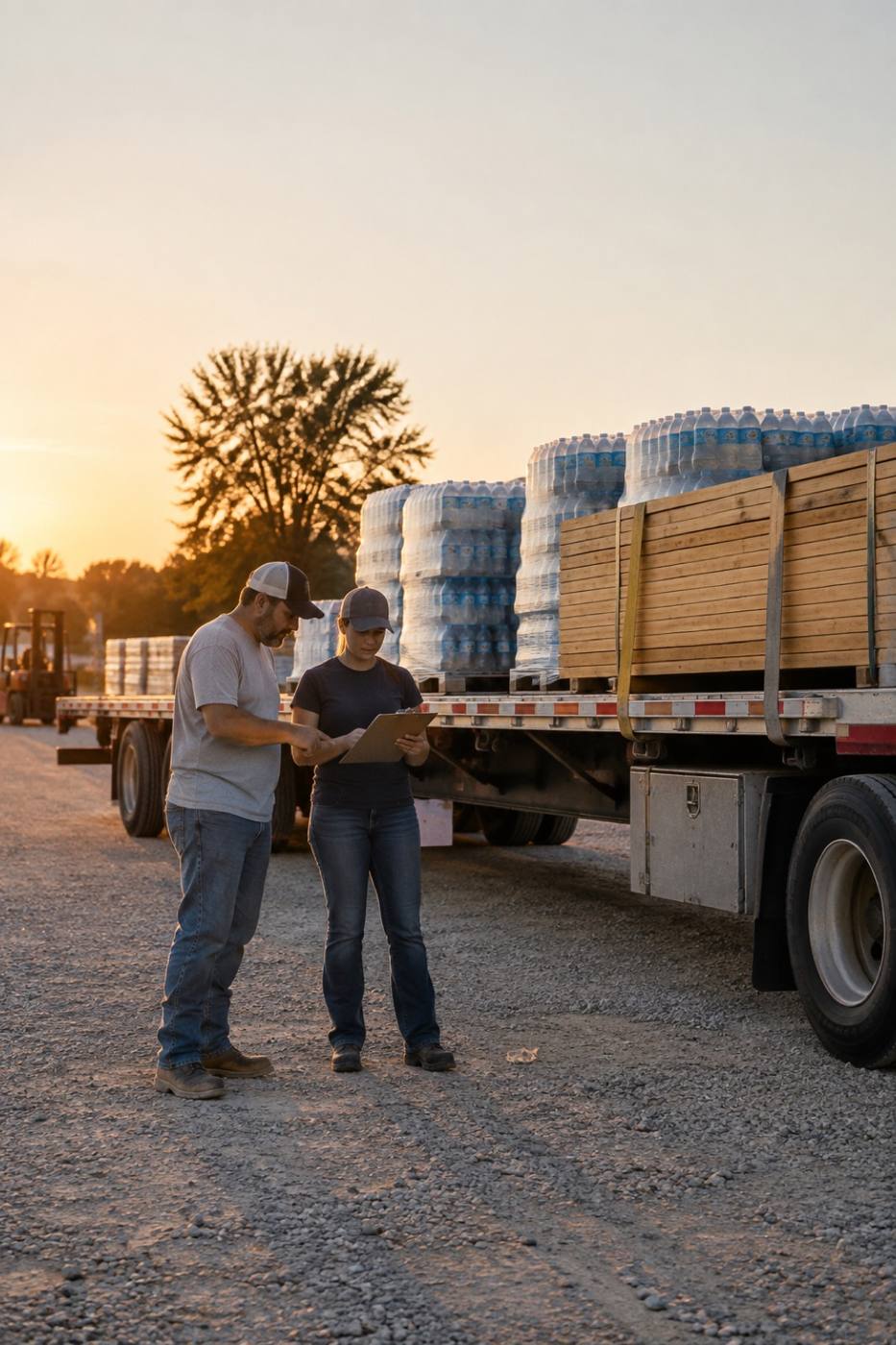
The route — every run, same four turns
No mystery, no runaround. This is the whole route from the first phone call to the last load of lumber.
A request lands — from a neighbor, a county office, or a partner crew already on the ground.
We pull what’s needed from donated supplies and confirm the load before anything leaves the lot.
Volunteers are matched to the job — hands for cleanup, trades for repairs, drivers for the haul.
Rebuilding projects and training keep going long after the rest of the convoy has gone home.
Mile 06 — Joplin, Missouri
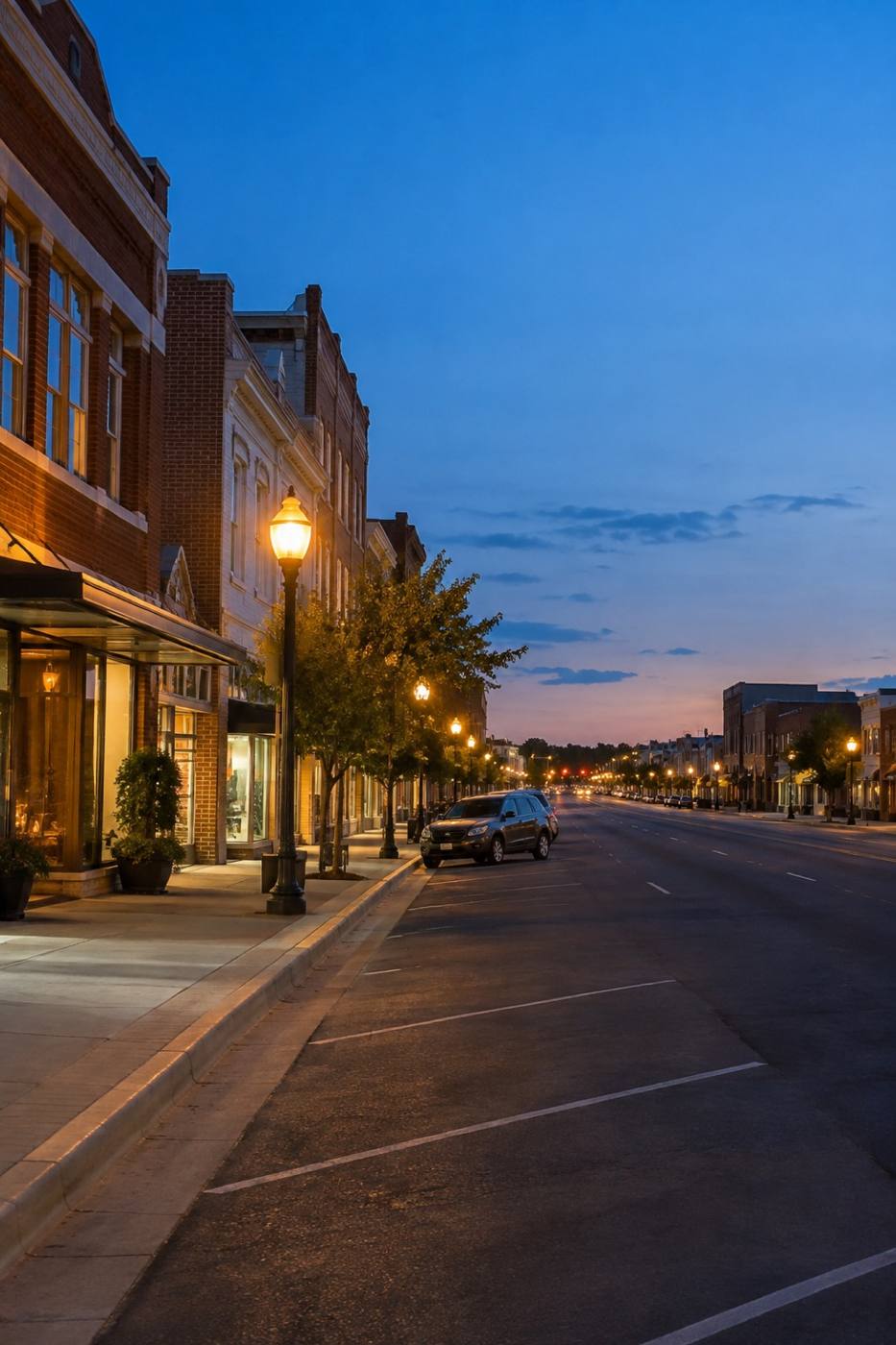
Highways meet here, and so does most of what a relief effort needs: people, supplies, trucks and a place to stage them. A load staged in Joplin can serve more than one town, and a volunteer who signs up here can be useful in more than one place.
Volunteers, donations and crews all have to land in the right place. Coordination is the job.
The people who live here are the ones still here next year. We build the work around them.
Giving and going are the same effort pointed in two directions. You pick your lane.
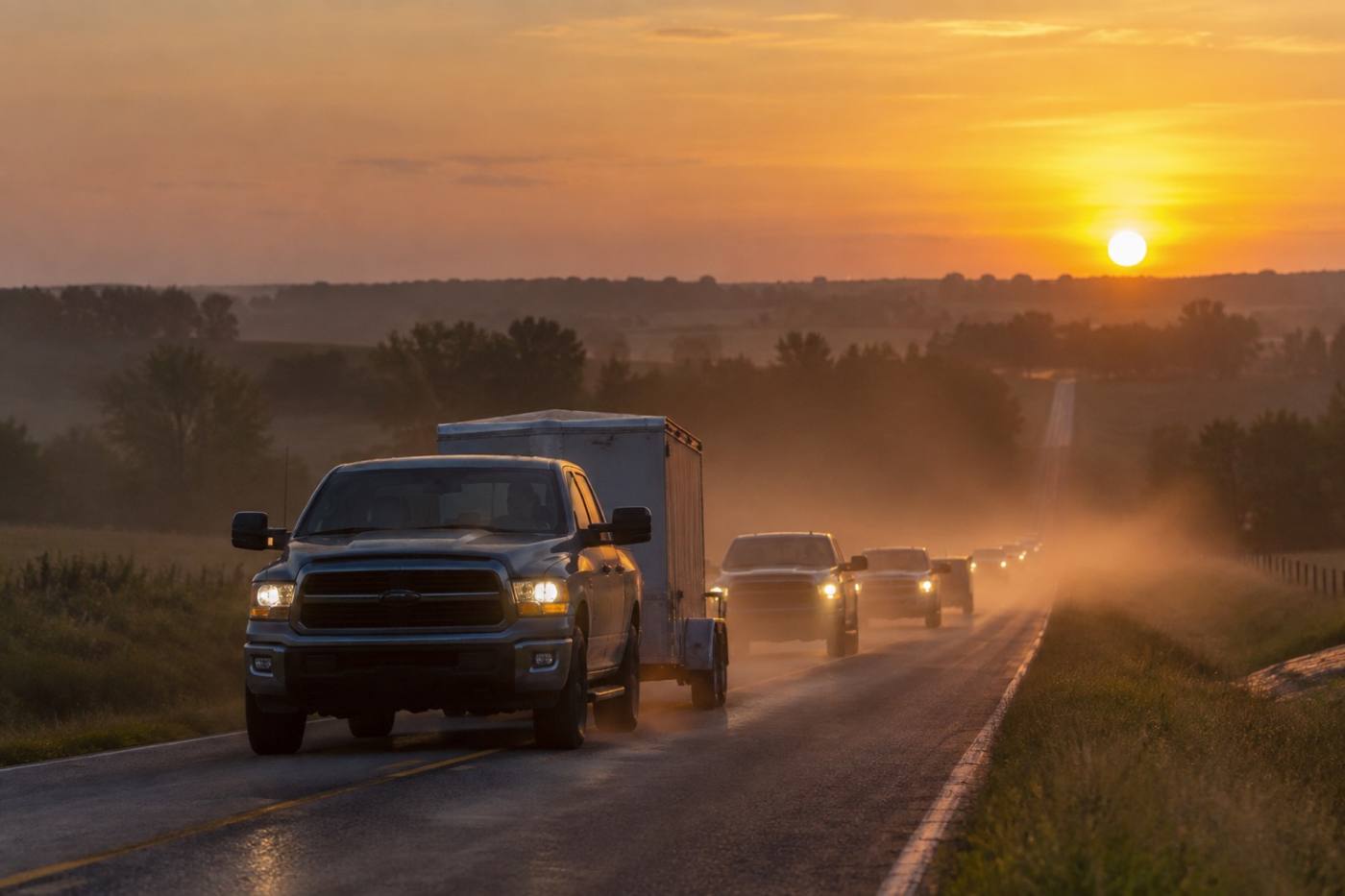
Last exit — sign the board
Two ways to get on the route. Tell us you can go, or tell us you can give. Either one keeps the convoy moving.
Lane 01 — I can go
Give us the basics and we’ll follow up with where you’re needed and what to bring.
Lane 02 — I can give
Funds move faster than freight. Tell us where you want it to land — or let us put it where the need is heaviest.