Ink ledger · Providence, Rhode Island Stock counted by hand

Giclée prints · risograph zines · sticker sheets · original ink drawings

Ink first. Then the count.

Five things live in this ledger: giclée prints pulled from an inked original, risograph zines folded the night before, die-cut sticker sheets, boxed greeting card sets, and ink drawings that exist only once. Every number is written by hand and updated the day something sells.
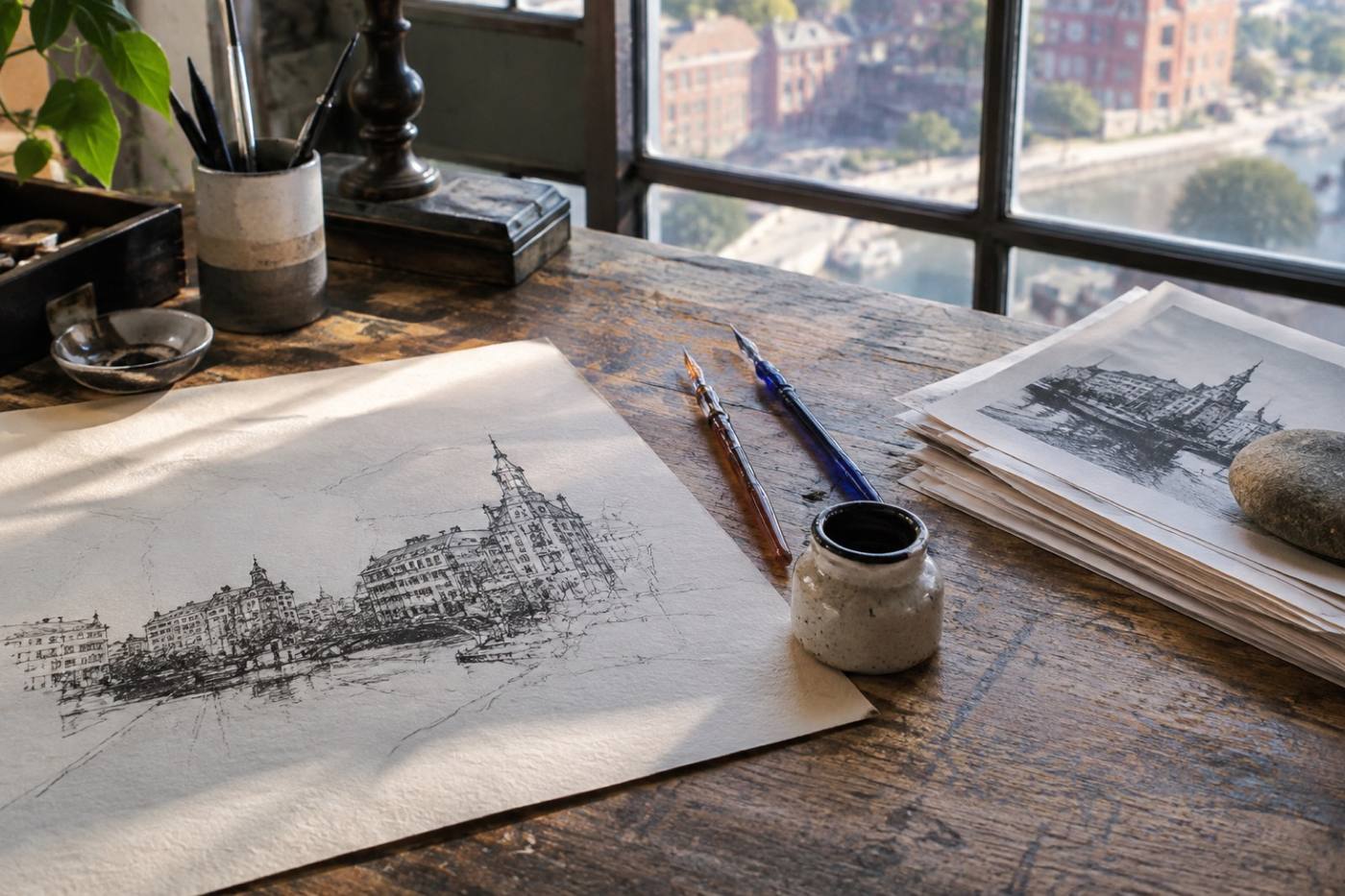
A studio worktable with an unfinished ink drawing, nib pens, an ink pot and a stack of proof prints
The table, mid-morning. Ink, nibs, and yesterday's proofs still on it.

The count

Ink in the line. Count in the margin.

Five lines, five ways to take a piece of the studio home. The number beside each one is the count on the shelf — no estimate, no rounding, kept as carefully as the drawings are.

Prints are editioned. Originals never come back.

01

Giclée prints

Archival pigment on cotton rag, pulled from an inked original and numbered by hand.

24 on the shelf
02

Risograph zines

Two-color riso in short runs, folded and stapled at the studio table.

41 on the shelf
03

Sticker sheets

Die-cut vinyl, one sheet per drawing — tough enough for a laptop lid.

76 on the shelf
04

Greeting card sets

Six blank cards with envelopes, boxed and ready to be written on.

18 on the shelf
05

Original ink drawings

One of one. Drawn once, sold once, and the line closes for good.

3 available
Total on the shelf today 162
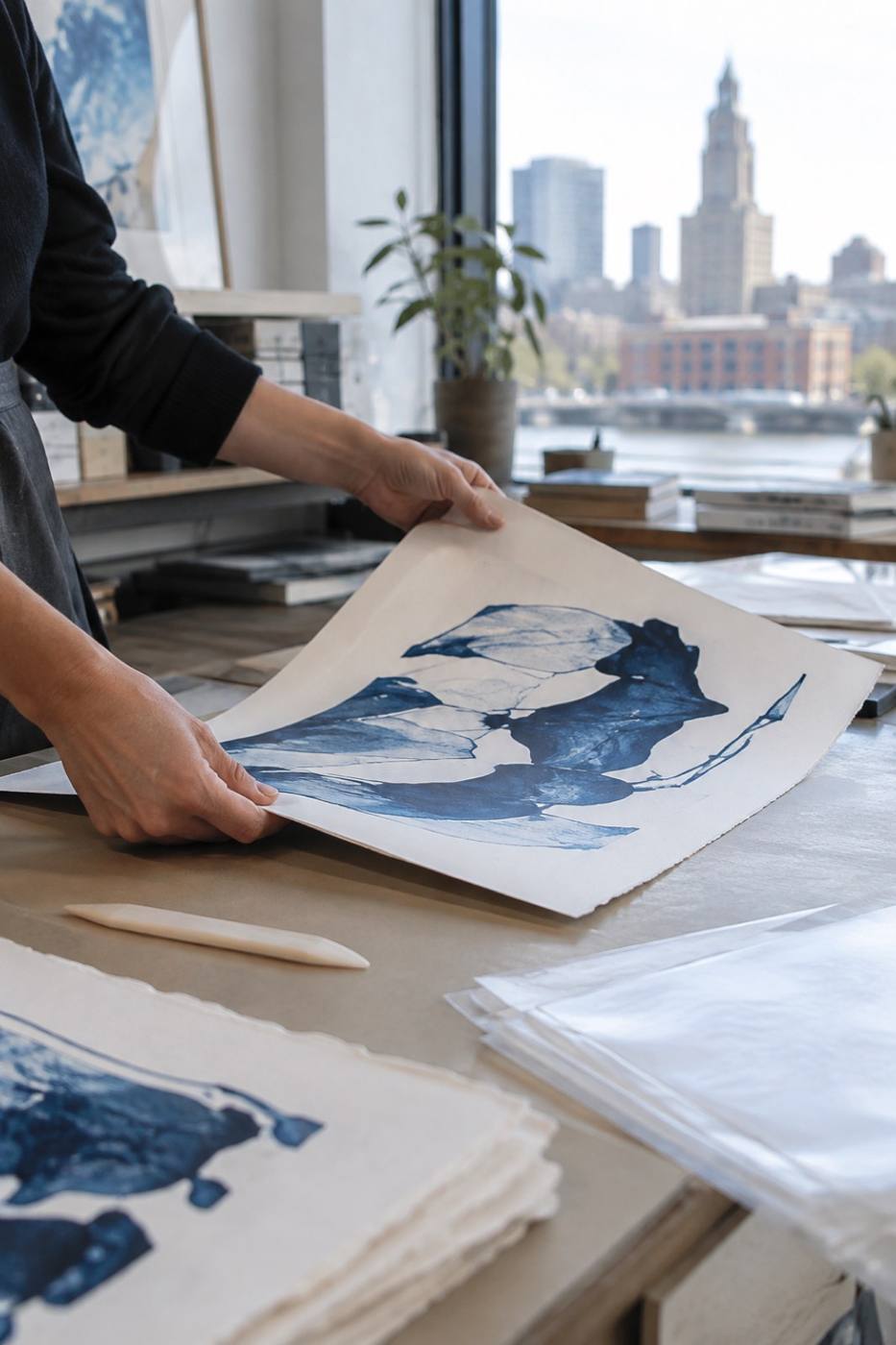
Hands lifting a freshly printed giclée sheet of blue ink marks from a flat table
Fresh off the table — drying flat before it's sleeved.

Editioned

Prints numbered in the same hand that drew them.

Every giclée starts as an ink drawing on the table and ends as pigment on cotton rag. The editions stay small, the sheets are checked one at a time, and each print is numbered by hand before it goes into its sleeve.

  • StockArchival pigment on cotton rag paper
  • EditionNumbered by hand, pulled in small runs
  • PackingSleeved and packed flat at the studio
  • Count24 prints on the shelf right now

When a print run closes, I rule the line off. It doesn't reopen.

Risograph & vinyl

The playful half of the ledger.

Short runs, bright ink and paper that still smells faintly of the machine. Zines and sticker sheets are the quick, inexpensive way to send work out into the world — and the two lines in the ledger that move fastest.

Risograph zines

41

Two colors, printed in short runs, then folded and stapled by hand at the studio table.

Sticker sheets

76

Die-cut vinyl on a single sheet, made to be stuck on a laptop lid, a water bottle or a notebook.

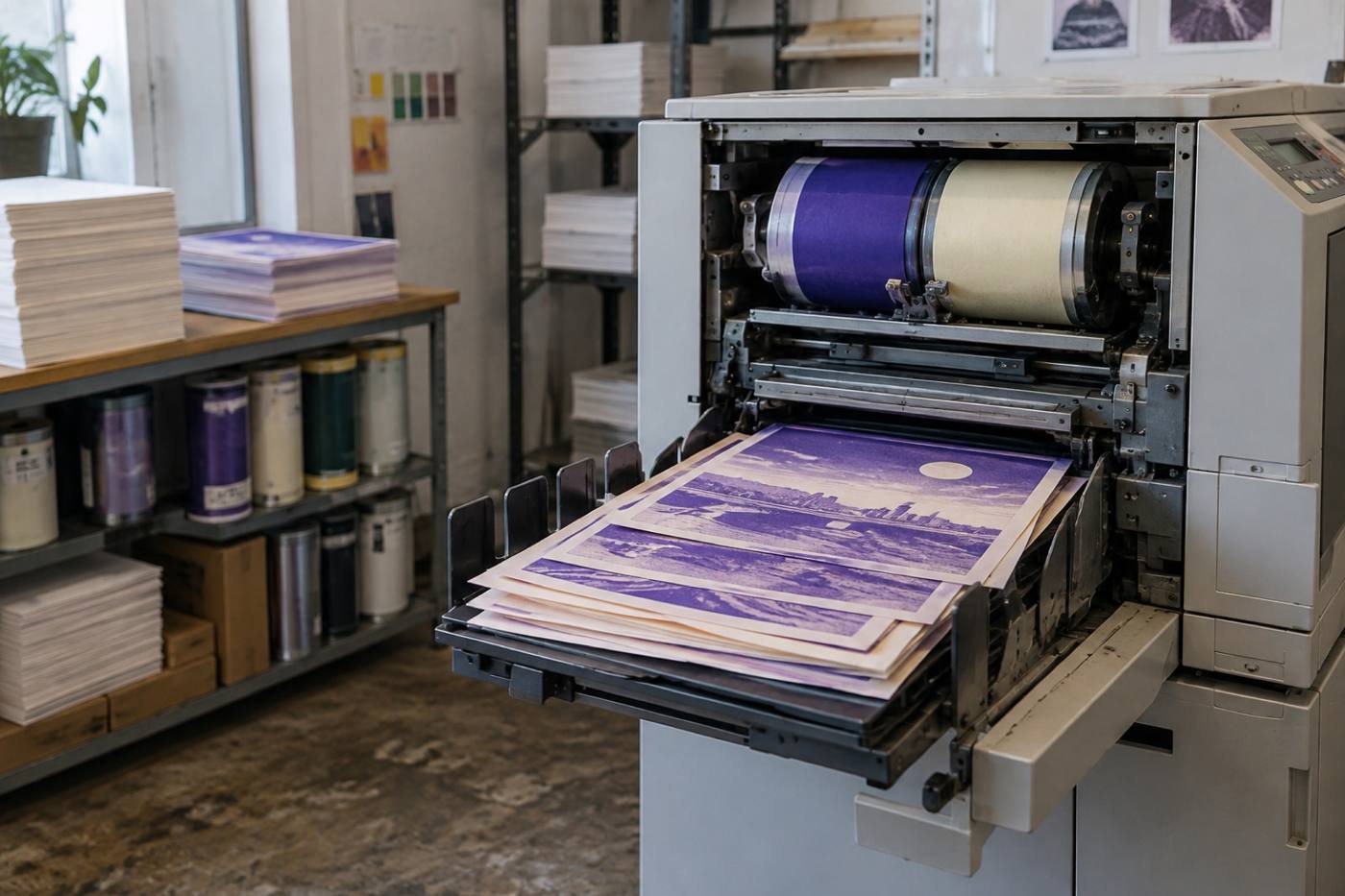
A risograph machine mid-run with freshly printed violet and cream sheets fanned across the tray
Run of forty-one. The machine does the rest.
76 sticker sheets on the shelf

One of one

Original ink drawings, counted in singles.

Drawn in ink on paper. No edition, no reprint, no second one — whatever the line does the first time is what stays on the sheet.

When an original sells, its number goes to zero and the line closes for good. What is still on the table is written in the margin, next to the print counts, in the same column.

A drawing takes an afternoon. The count takes one stroke of the pen.

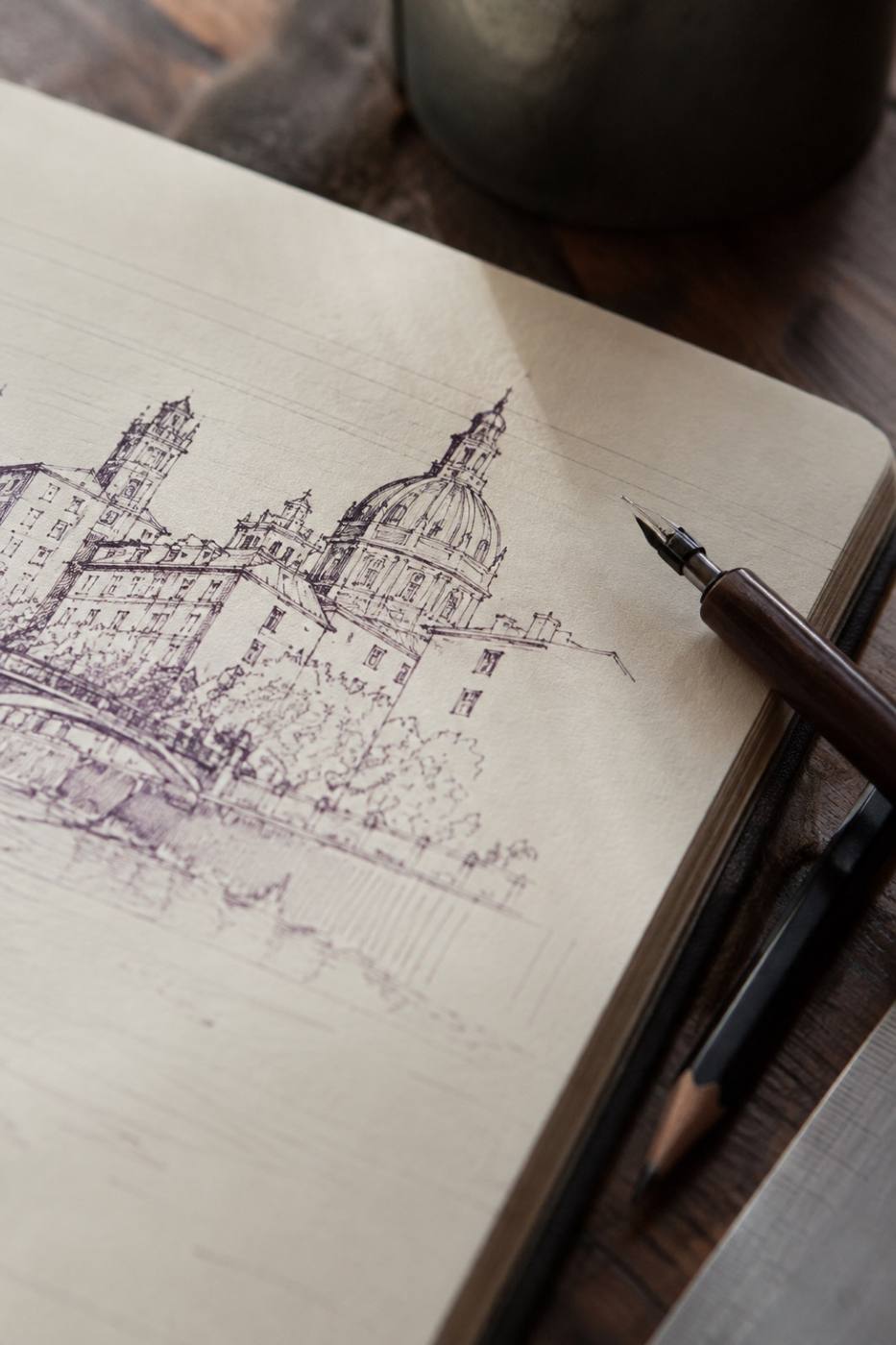
An ink drawing in progress with wet dark-violet lines and a fine nib pen resting on the page
Nib, ink, and a margin kept for numbers.
Available now 3

Three left. Then the drawer is empty.

Closing balance

Restock notes, written at the end of the day.

Prints and zines come back when a new run is pulled or a new zine is folded. Originals never do — once a drawing leaves the table, its line in the ledger stays closed.

  • PrintsBack with every new edition pulled from the table.
  • ZinesBack with each risograph run, usually in short bursts.
  • OriginalsNever restocked. Once the line closes, it stays closed.

Counts move as work sells. Pencil first, ink once a number settles.

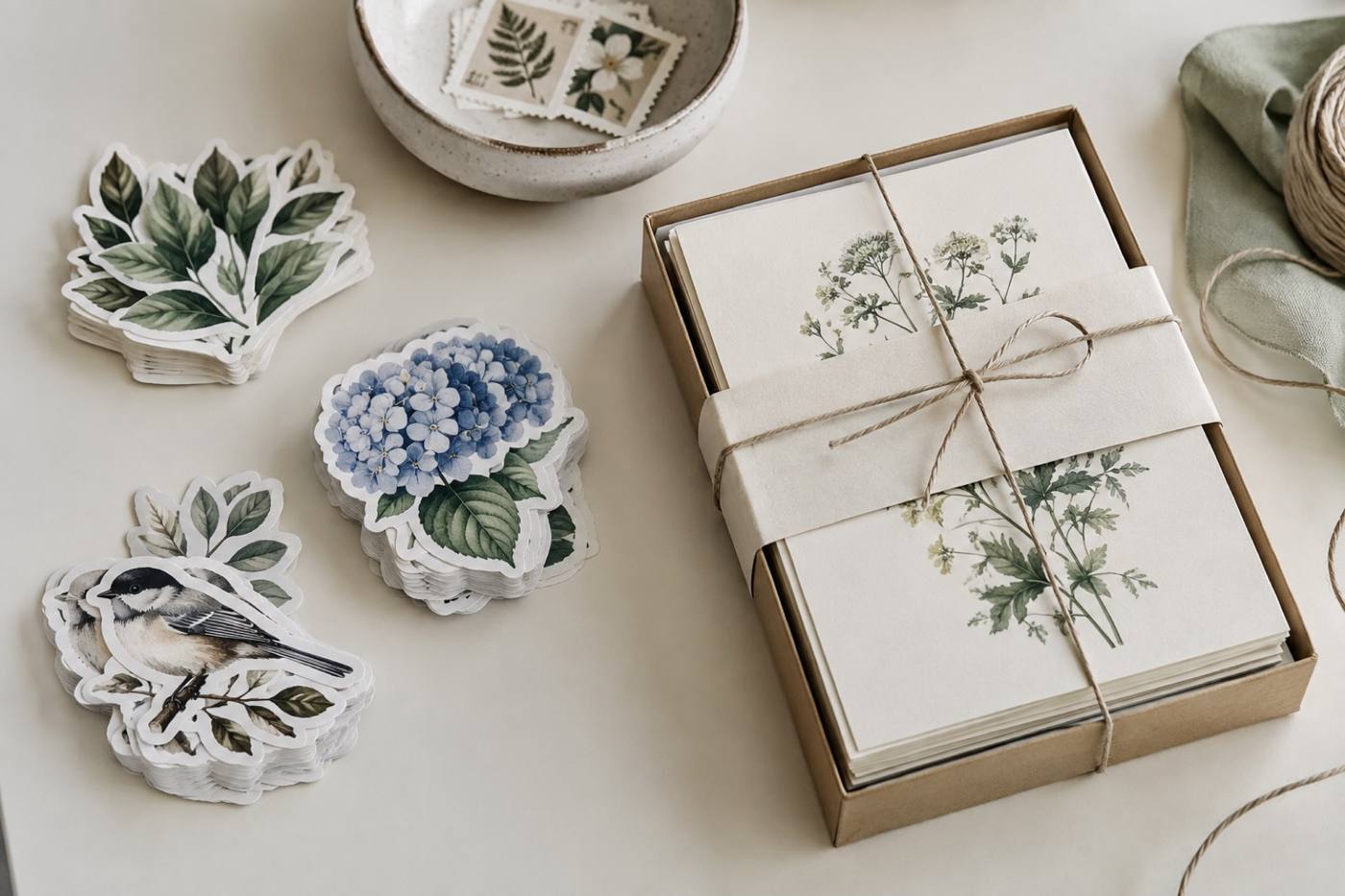
A flat lay of sticker sheets and a boxed set of blank greeting cards arranged in neat counted piles
Boxed, banded and counted on the studio table.