Warehouse leasing
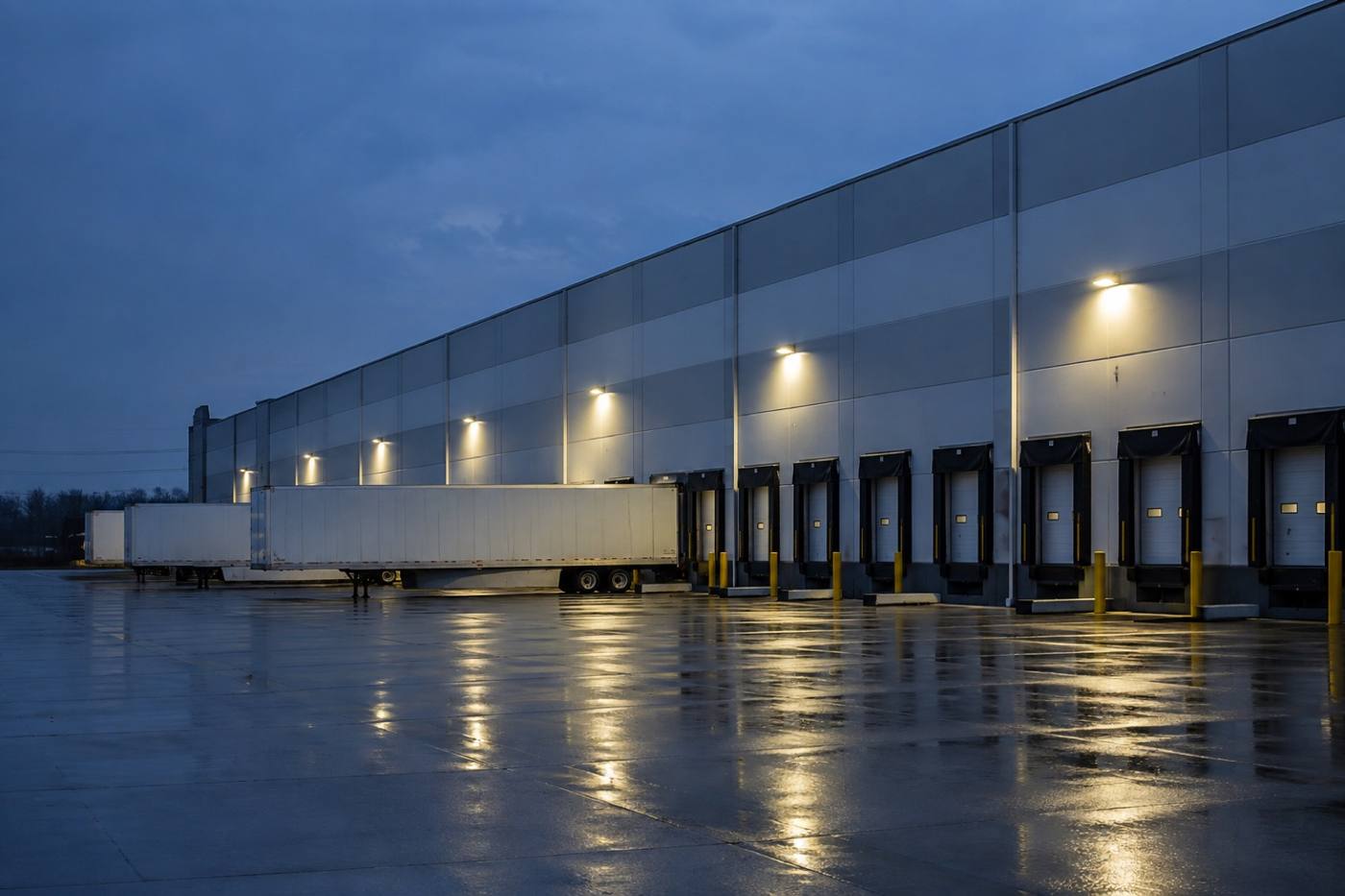
Buildings compared on how work moves through them — door count, turning radius, trailer storage, and the lease that follows.
- ScopeTenant & landlord
- CriteriaThroughput, dock ratio
- MarketDetroit, Michigan
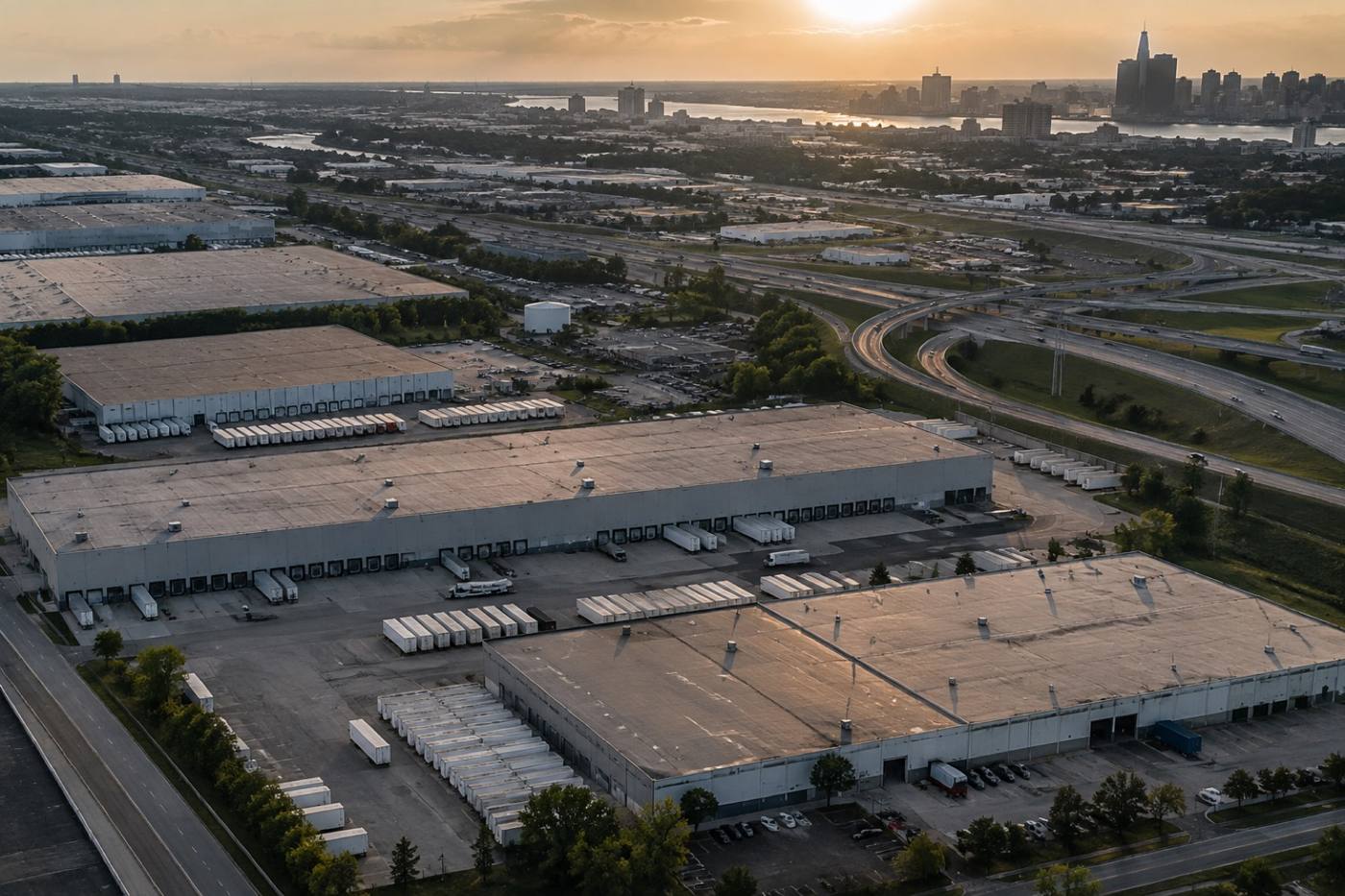
Ironline writes industrial property the way an operator reads it — line by line. Warehouse leasing, distribution site selection, cold storage, build-to-suit, sale-leaseback and investment sales, each one a row you can put next to the next.
Each asset class is entered with the criteria that decide it, so a tenant or an investment committee can read across a row and challenge the numbers rather than the adjectives.
Space matched to how freight actually moves through a building, and to the lease structure sitting underneath it.
Shortlists built from the decisions a network cannot renegotiate later, ranked side by side rather than one at a time.
Temperature-controlled space underwritten on envelope, refrigeration and redundancy before the racking goes in.
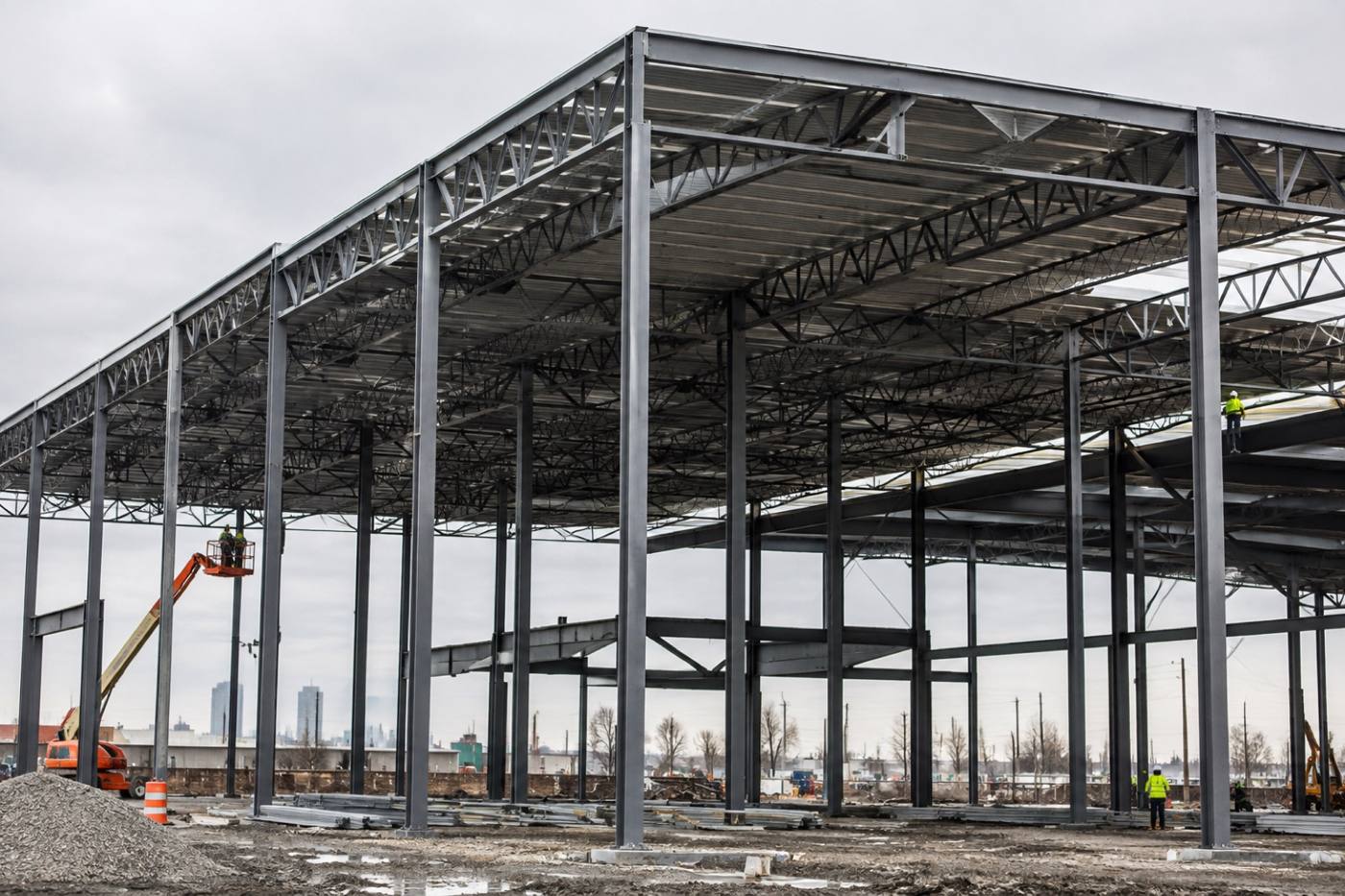
Ground-up programs run from site control through delivery, with the program documented at every stage.
Occupied assets priced against the credit standing behind the lease and the terms that hold it in place.
Assets brought to market with the underwriting already on the page, so buyers compare like with like.
Site lines carry the criteria that decide the move — throughput, access, envelope — and the capital standing behind them.
Buildings compared on how work moves through them — door count, turning radius, trailer storage, and the lease that follows.
Sites screened on access, labor draw and zoning, then ranked in one table instead of one proposal at a time.
Programs run from site control to delivery, with the schedule and the specification written down before the first pour.
Temperature-controlled space is underwritten on the three systems that fail first. Ironline puts each one next to the lease before a tenant commits to a building.
Panel condition, roof and vapor barrier reviewed before the rack layout is drawn.
Plant capacity and controls checked against the storage profile the operation actually runs.
Backup capacity and dock frost control weighed against the cost of an hour of downtime.
Four passes, in order. Nothing is presented to a tenant or an investor until the numbers underneath it hold.
Throughput, storage type, headcount, power and timing, written down before a single site is shown.
Sites filtered by highway access, drive time, labor draw and zoning, then ranked against each other.
Rent, term, escalations and capital structure modeled against the comparable set for that asset class.
Negotiation through to signature, with the ledger updated at every step of the transaction.
Every row shows the criteria it was scored on, so a shortlist can be audited rather than trusted.
Tell us the requirement. We return the lines that match, with the criteria, the comparables and the structure attached.