Warehouse robotics · Greenville, South Carolina

The lights are off.
The floor isn’t.

Ferrule Robotics builds the autonomous side of a warehouse floor — pallet movers, charging stations and the software that runs them. Tell us how your floor moves pallets, and we’ll model the return and quote the system.
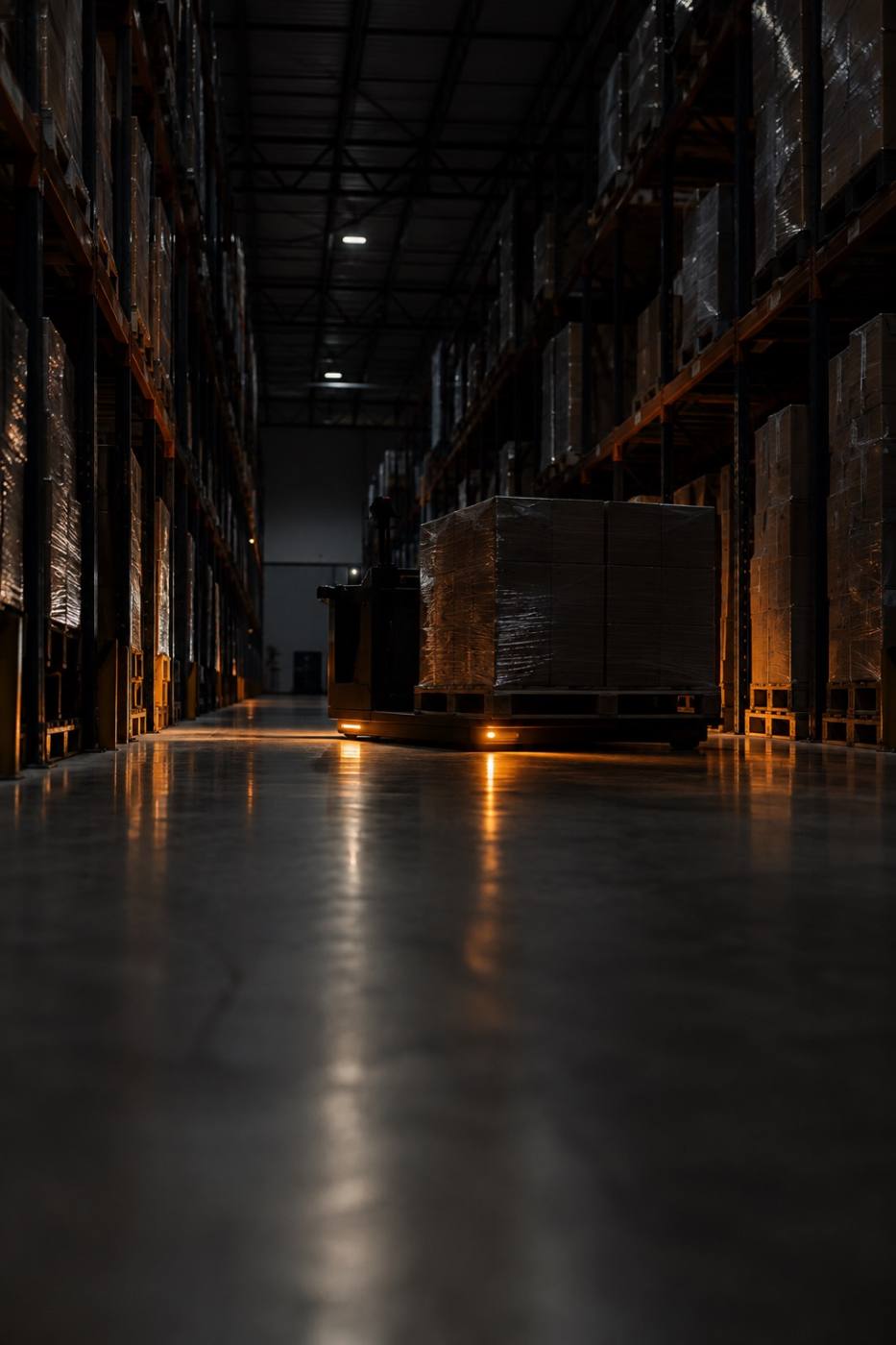
An empty warehouse aisle at night lit by orange charge-station indicators, a pallet mover crossing the floor
22:00 — one aisle, one pallet mover, the charge wall lit behind it.

It moves loaded pallets without asking for the lights.

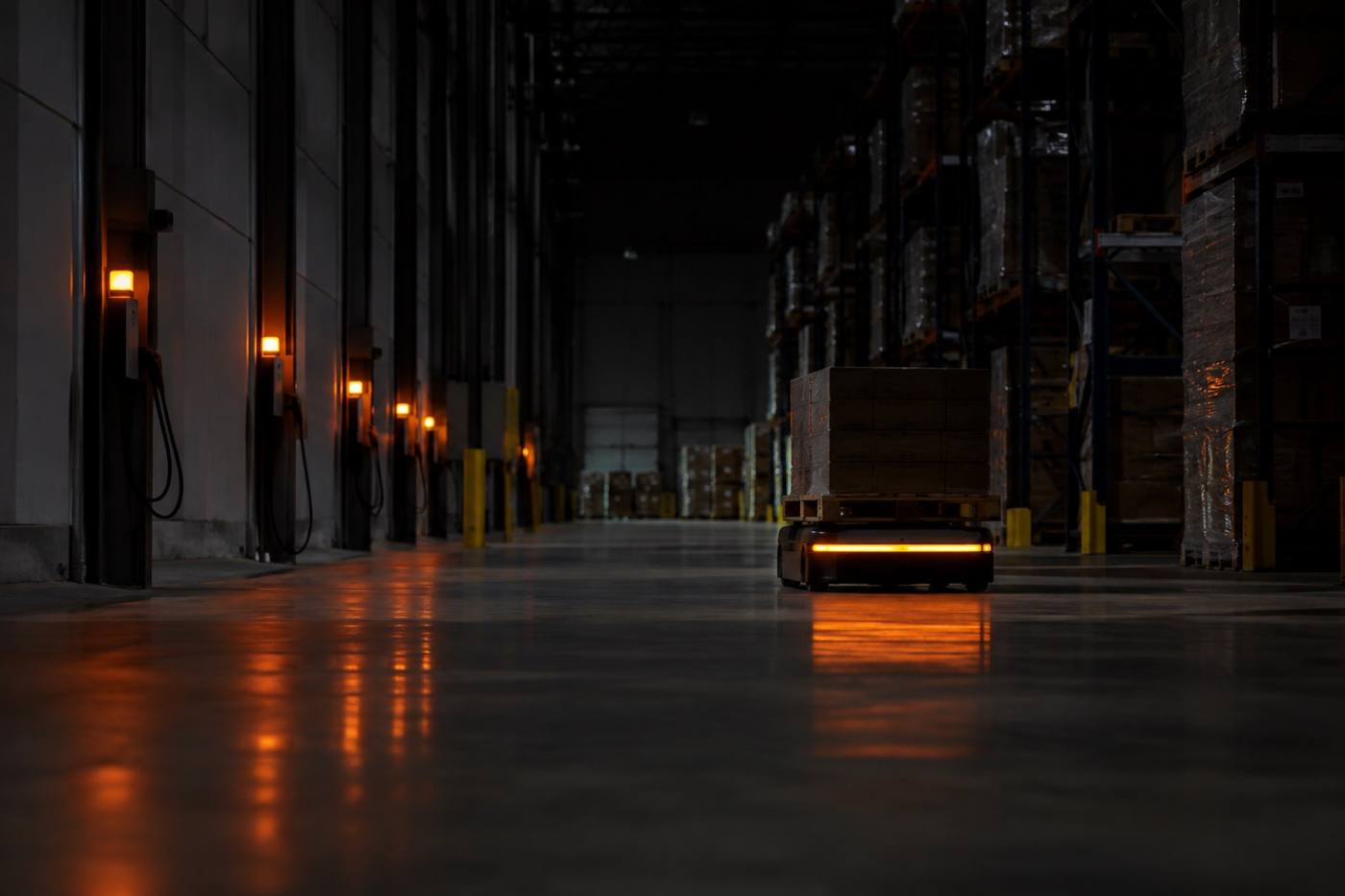
An AMR fleet doesn’t need a driver, a radio or an overhead light. Pallet movers pick up where the load already sits and set it down where the next step needs it — the same route, the same pace, hour after hour, whether anyone is watching or not.

  • AMR fleet Units sized to your aisle widths, pallet weights and floor surface before anything ships.
  • Pallet movers Dock to lane and lane to lane, with no lift truck left parked in the aisle.
  • Spare parts Wear items and common components kept in reach, so a stop stays short.
A pallet mover carrying a loaded pallet across an empty warehouse aisle at night
23:00 — a loaded pallet, moving anyway.

They leave the floor when they need to, not when you notice.

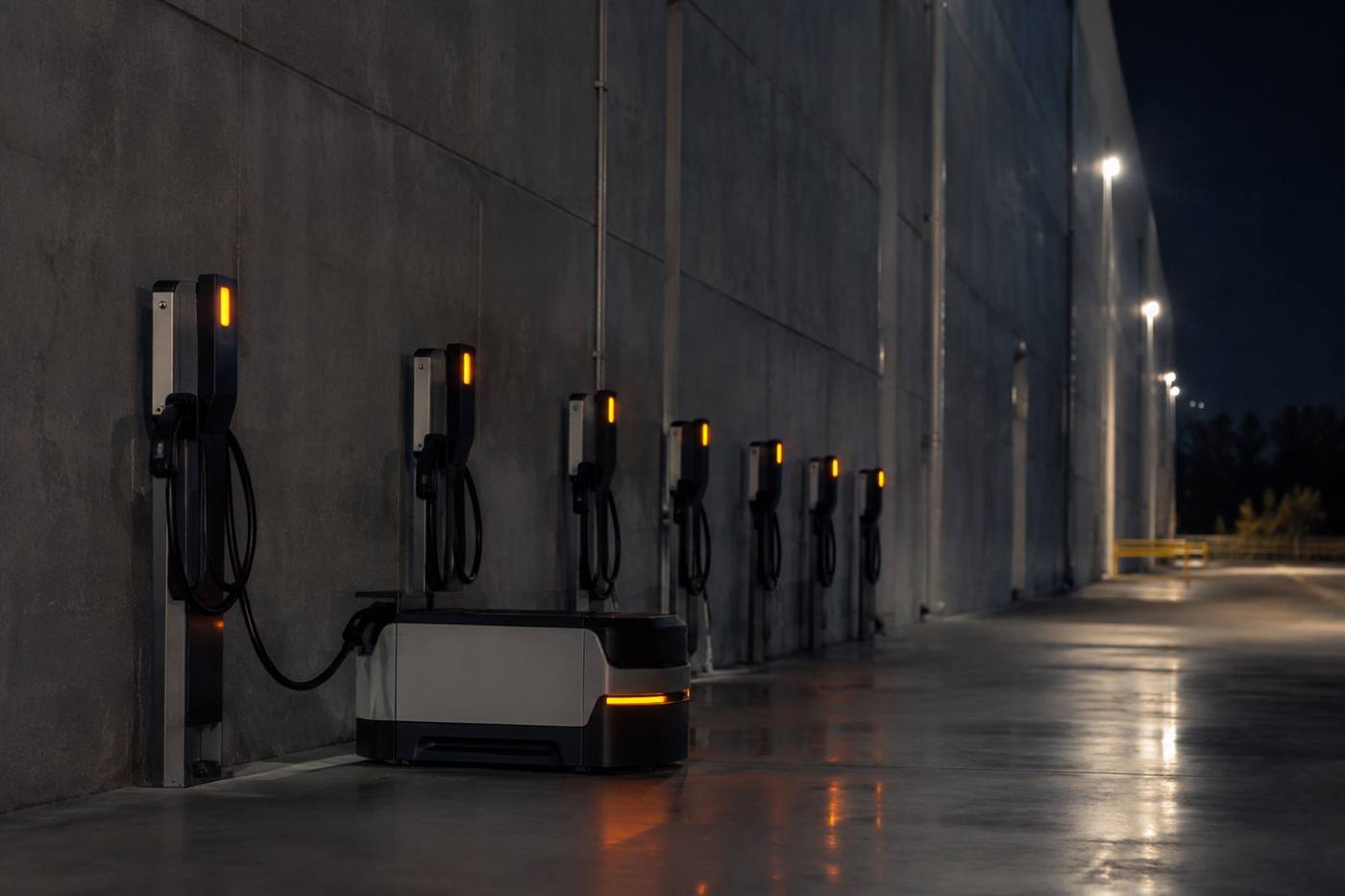
Charging stations sit along the wall the fleet already passes. A unit takes itself off the route at the level it decided it needed, charges, and goes back to work. Nobody walks the building at midnight to swap a battery.

A row of charging stations along a warehouse wall at night with orange indicator lights
00:00 — the wall chargers, one dock occupied.
  • Charging stations Docks placed where your fleet already parks and wired into the panel you already have.
  • Charge queue Units share the docks and rotate back out to the route without a dispatcher.
  • No battery swaps Charge state sits on the same screen as the routes, so nobody walks the floor to check.

03:00 — nothing has stopped.

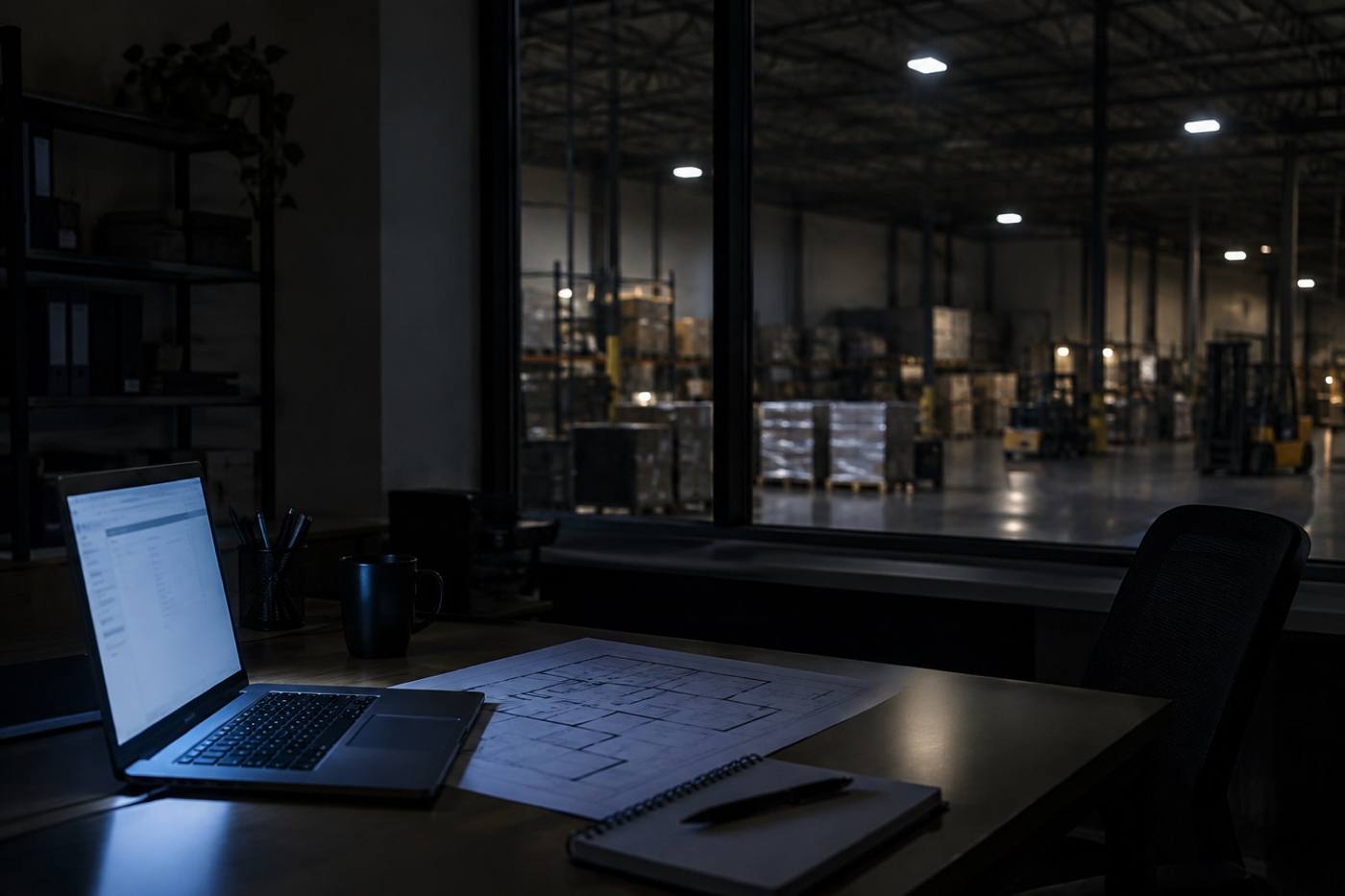
Fleet software is the whole floor on one screen: where each unit is, what it’s carrying, what’s waiting for a charge, and what needs a person. The job is to be boring. You look, you decide, you close the laptop.

A laptop glowing on a desk in a dark warehouse office at night
03:00 — the view from one desk.
  • Fleet view

    Position, load and status for every unit on the floor, updated as they move.

  • Charge queue

    Which dock is free, which unit is on it, and who is next back to the route.

  • Exceptions

    What needs a person is what’s left at the top of the screen.

Integration happens on your floor, at your speed.

Mapping the aisles, setting pick and drop points, tuning routes around your traffic, and training the people who will work beside the fleet. It’s the unglamorous half of the project, and it’s the half that decides whether the fleet is useful on the first night.

  1. 01

    Site walk

    We start where your pallets start — the dock, the doors and the lanes between them.

  2. 02

    Route mapping

    Aisle widths, turning room and traffic patterns get measured before anything moves.

  3. 03

    Fleet on the floor

    Units are commissioned on your routes, at your speeds, alongside your people.

  4. 04

    Handover

    Your team runs the fleet. We stay reachable for spares and support after that.

Spare parts

Spare parts sit alongside integration, so a worn wheel or a failed sensor doesn’t turn into an idle shift while someone waits on a delivery.

06:00 — the day shift arrives and nothing is waiting for them.

The night ran. The floor is where it should be. What’s left is the number: what those hours are worth against what they cost to run. Send us the basics and we’ll build the model and price the fleet.

  1. 01

    We model your floor

    Your routes, shift pattern and pallet volumes go into the ROI model.

  2. 02

    You get a written quote

    Fleet, charging stations, software, integration and spares, itemized.

  3. 03

    Site walk in Greenville

    If the numbers hold, we come measure the aisles in person.

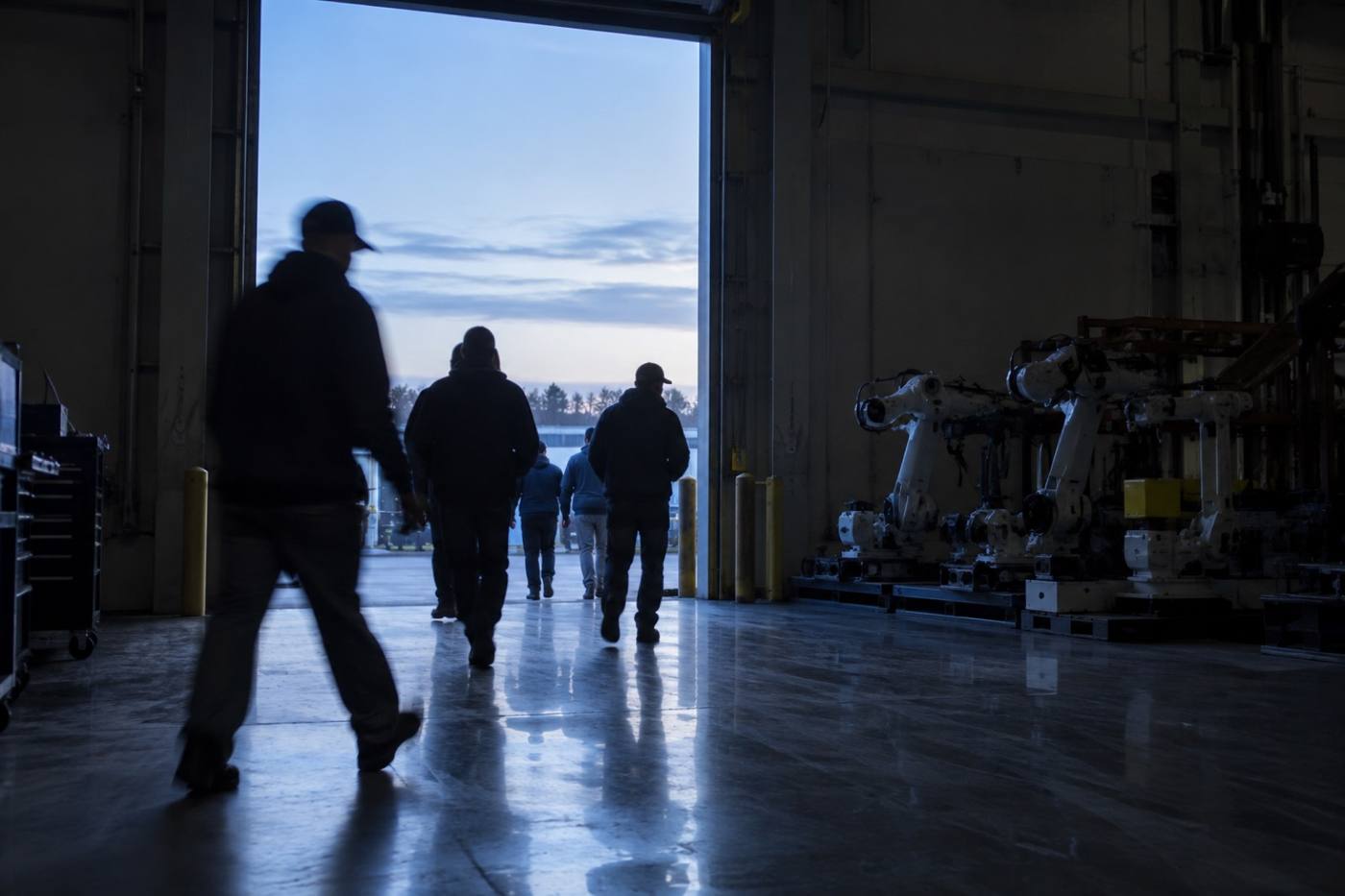
Day shift workers arriving through a warehouse dock door at first light
06:00 — the day shift, walking in to a floor that’s already where it should be.

ROI model and quote

No brochure numbers. The model is built on your routes, your shift pattern and your pallet volumes.