Field sketch — first walk N

Creek runs the north line — start the walk there, then follow the fence east.

Conservation district — Elk Prairie, Idaho

Every plan starts with a walk across your ground.

Tell us about your ground. We walk it with you, write down what’s there, and turn it into a conservation plan you can work from. Cost-share, plant orders, well tests — it all starts in the same notebook.

What we do

Five ways we help you work the ground.

Some work starts with a plan. Some starts with a sample, a sprinkler line, or an order of native plants. Any of them can be the first page.

  1. 01

    Conservation plans

    We walk the property with you, then write down what’s there, what you want it to do, and the order you’ll do the work in. Everything else on this page hangs off the plan.

    Ask about a plan →
  2. 02

    Cost-share programs

    Cost-share is district money put toward conservation work on private land. Bring us your plan and we’ll talk through what fits and what the application asks for.

    Ask about cost-share →
  3. 03

    Native plant sales

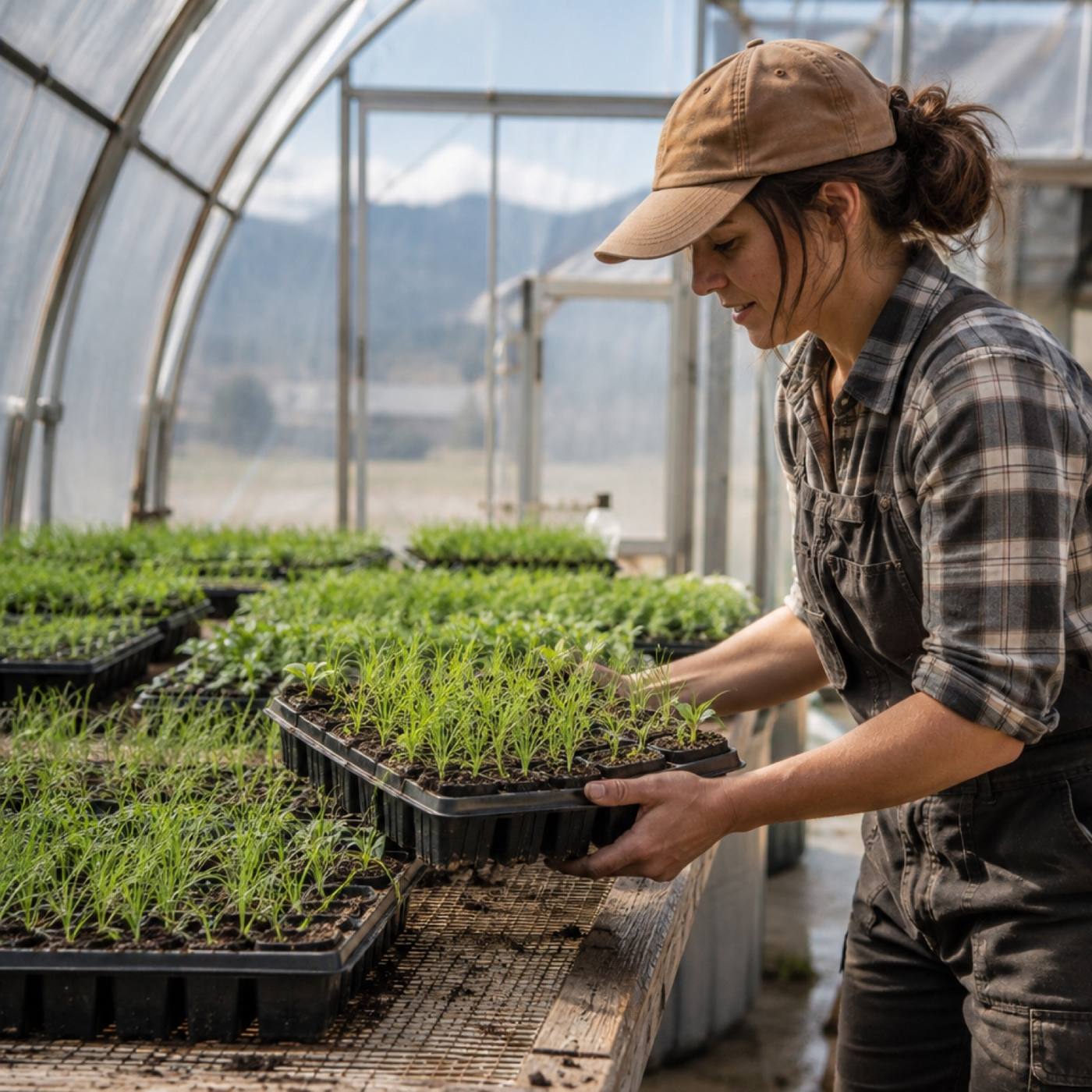
    Native grasses, forbs and shrubs, sold by pre-order ahead of the sale — so we know what to bring and you know what you’re planting.

    Pre-order plants →
  4. 04

    Well water testing

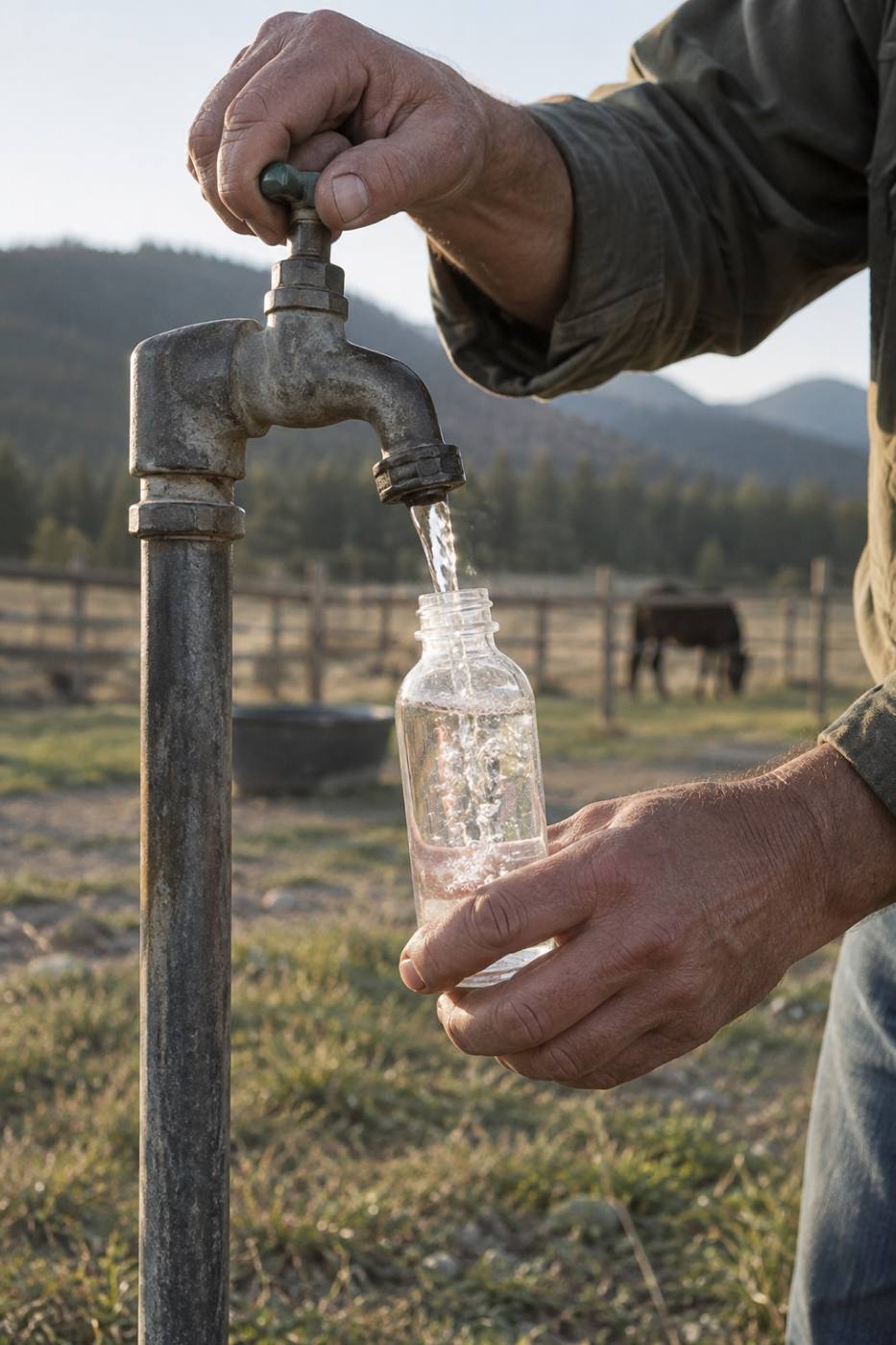
    If your drinking water comes out of the ground, it’s worth knowing what’s in it. Ask the district office for a sample bottle and the instructions that go with it.

    Ask about testing →
  5. 05

    Irrigation audits

    We come out while the water is running and see how it lands — even coverage, dry corners, runoff, pressure where you need it. Then the notes go back to you.

    Ask about an audit →

The clipboard goes where the ground is. There’s no other way to write a plan that fits.

Most of what we write down gets decided out on the ground — a fence line, a wet corner, a creek that’s cutting its bank. Bring us one of those and we’ll start there.
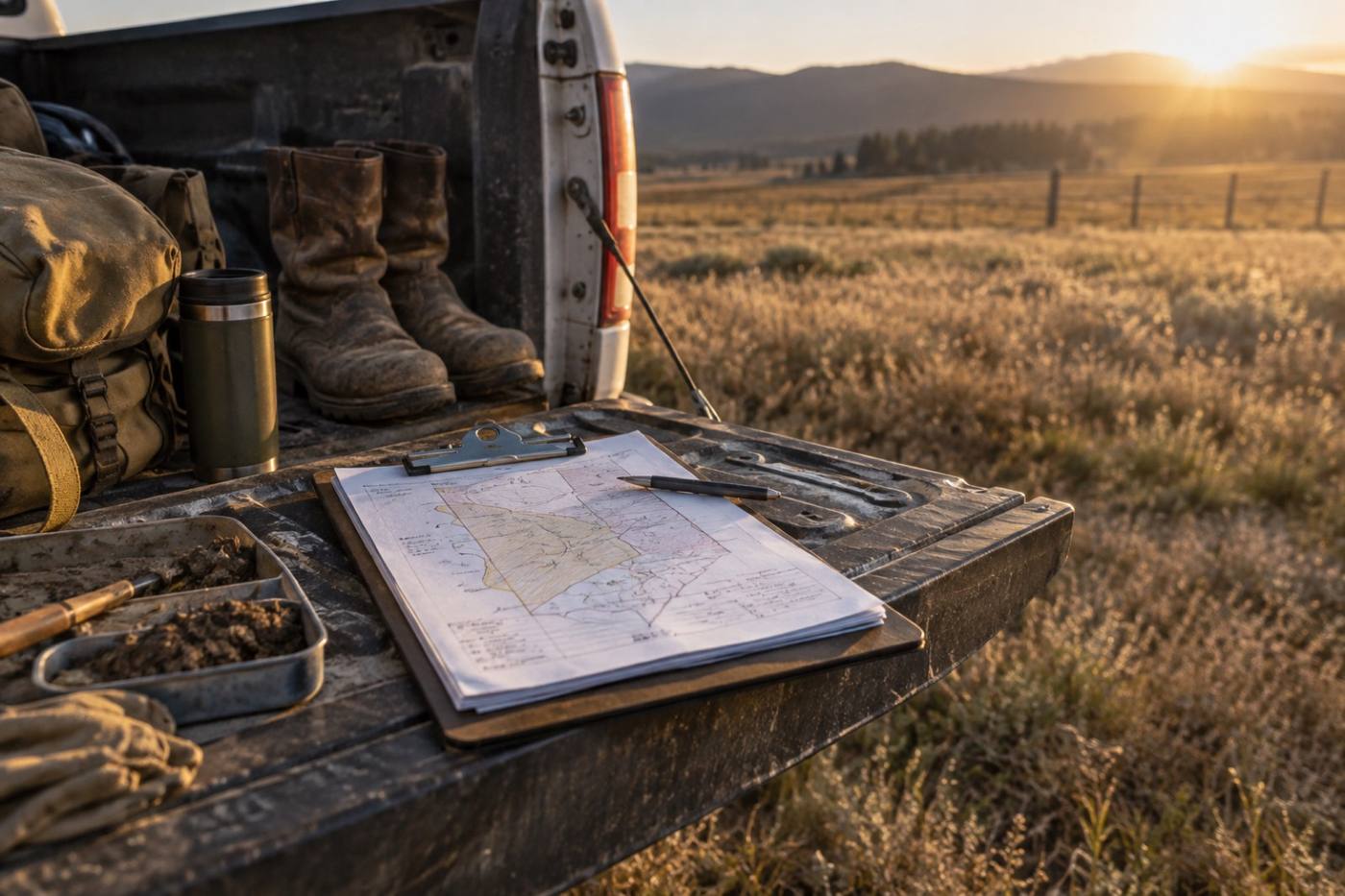
A hand-drawn parcel map and soil notes on a clipboard resting on the tailgate of a pickup truck
A first walk, half-finished.
The order of things

How a plan gets written.

Four steps, in this order. Nothing gets signed before the walk.

  1. 01

    You get in touch.

    Tell us where your ground is and what’s been bothering you. A few acres or a few hundred — it starts the same way.

  2. 02

    We walk it with you.

    Fence lines, water, slope, soil, what’s growing and what isn’t. You know your ground better than we do; we bring the notebook.

  3. 03

    We write it down.

    You get a conservation plan: a written record of what’s there and the order to work in.

  4. 04

    You pick the work.

    Cost-share, plant orders, a well test, an irrigation audit. Take the pieces that fit this year and leave the rest for the next page.

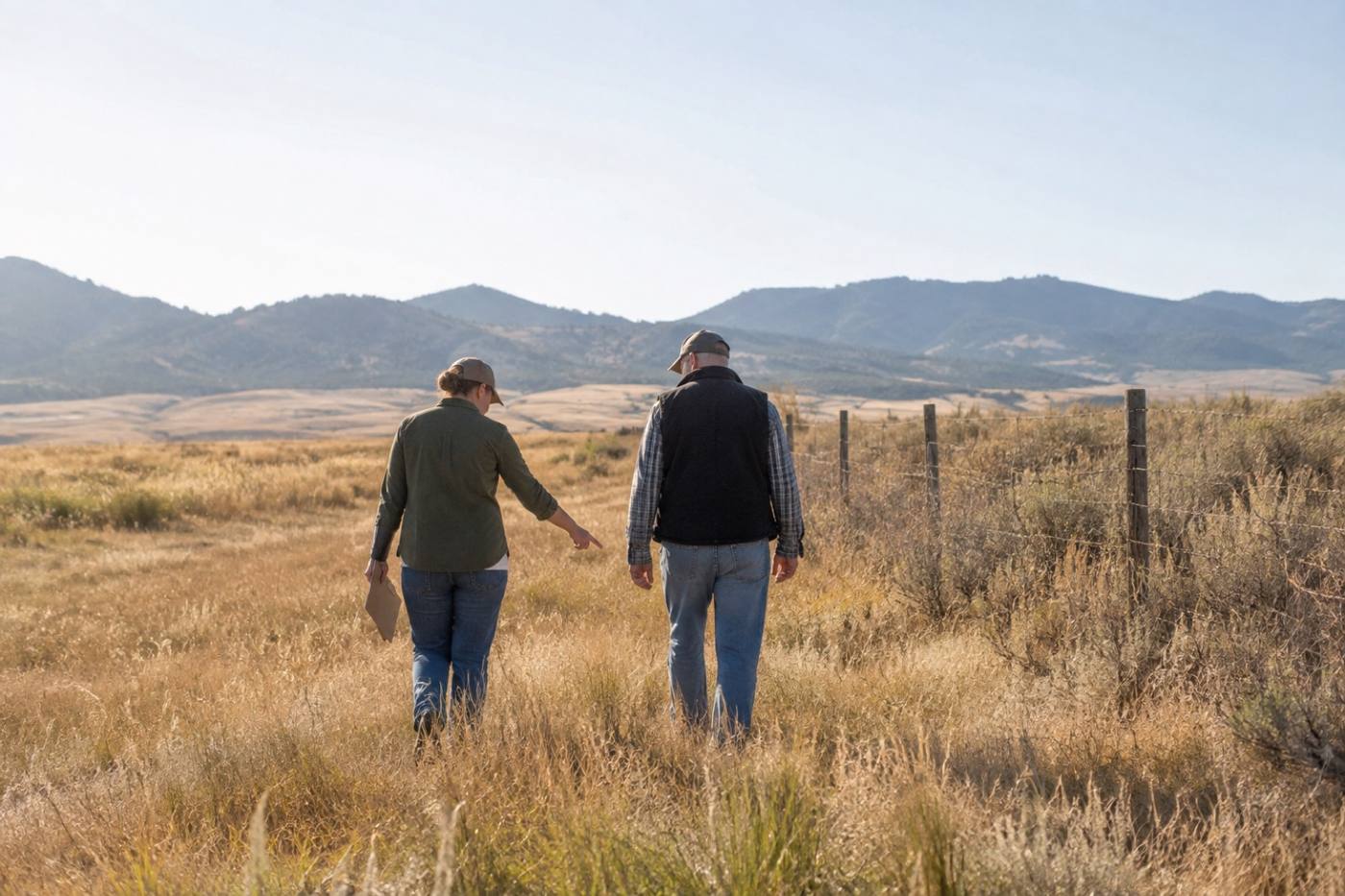
Two people walking a fence line across open pasture with a clipboard in hand
Walking the line before anything is written.
Pre-orders & testing

Not everything needs a plan first.

Some of it just needs a form filled in, a sample taken, or a morning of someone watching your sprinklers.

Native plant sale

Pre-order first. Plant in season.

The sale runs on pre-orders. Tell us what you’re planting for — a windbreak, a pollinator strip, a creek bank — and we’ll set your order aside before the sale day comes around.

Pre-order native plants
Flats of native grass and forb seedlings lined up in a greenhouse
Grown close to home, for ground close to home.
A well water sample being drawn into a small bottle from an outdoor tap
Some answers are in the water.

Well water testing

Ask the district office how to take a sample and where to bring it. It’s the simplest way to find out what’s coming out of your well.

Ask about testing →

Irrigation audits

An audit is a morning with your sprinklers: where the water lands evenly, where it runs off, where the pressure drops off. You get the notes afterward.

Ask about an audit →
Start an inquiry

Tell us about your ground.

A few questions and a place to write. Tell us where your ground is and what you’re after — a plan, cost-share, plants, a water test or an irrigation audit — and we’ll take it from there.

Inquiry — Elk Prairie SWCD

Then we’ll talk about a walk.