01Condition
Condition first
Inspections and field notes tell us where an asset stands. Three things get attention first: safety, service, and the cost of waiting another year.
Public Works · Brookfield, Ohio
Bridge inspections, road projects and water main replacements — written down as the work happens, and posted where you can find it.
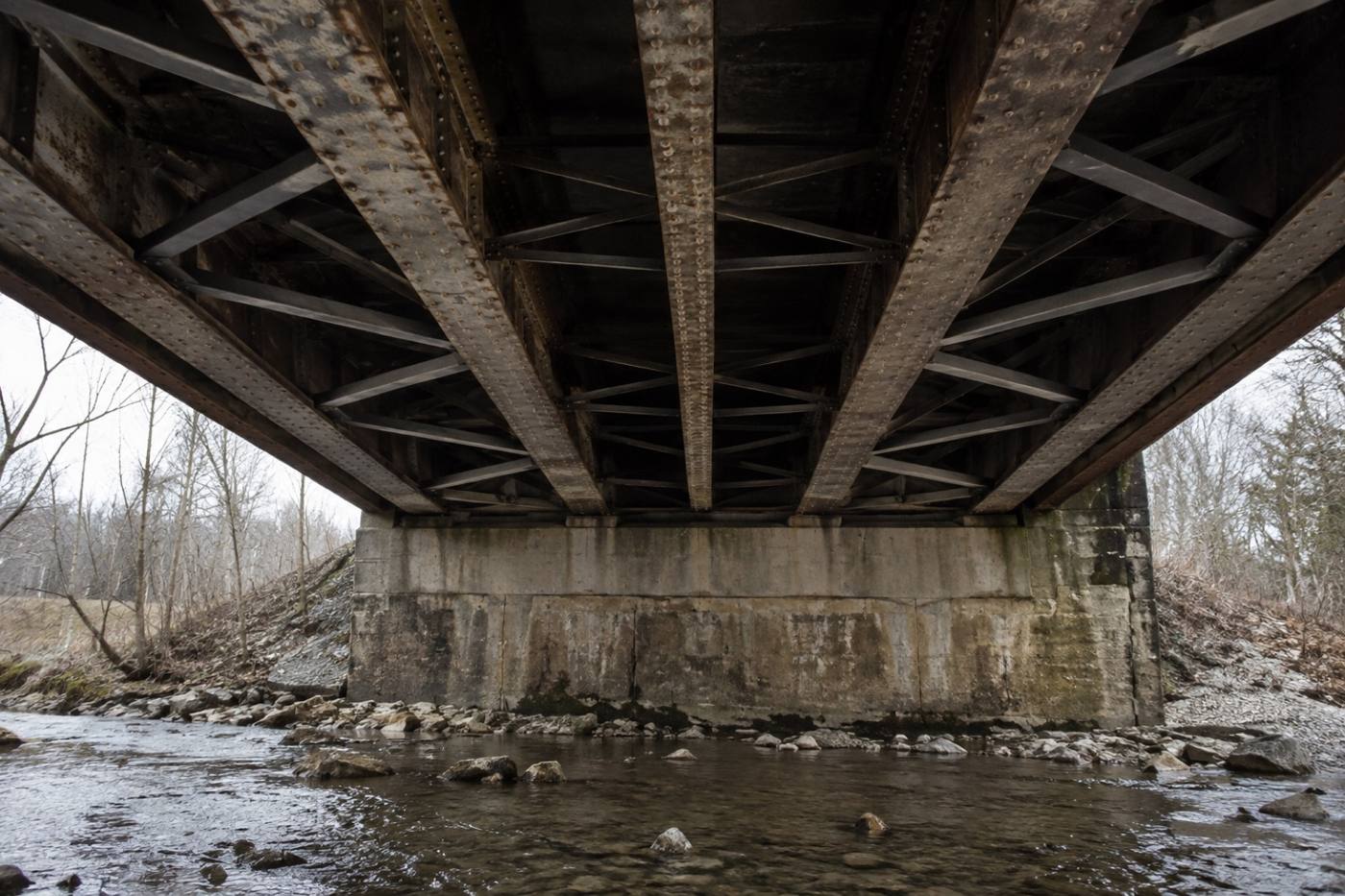
Field note 01 · Bridges
Every bridge and culvert we maintain is walked, looked at from underneath, and written down. Condition is recorded on site and folded into the work that follows.
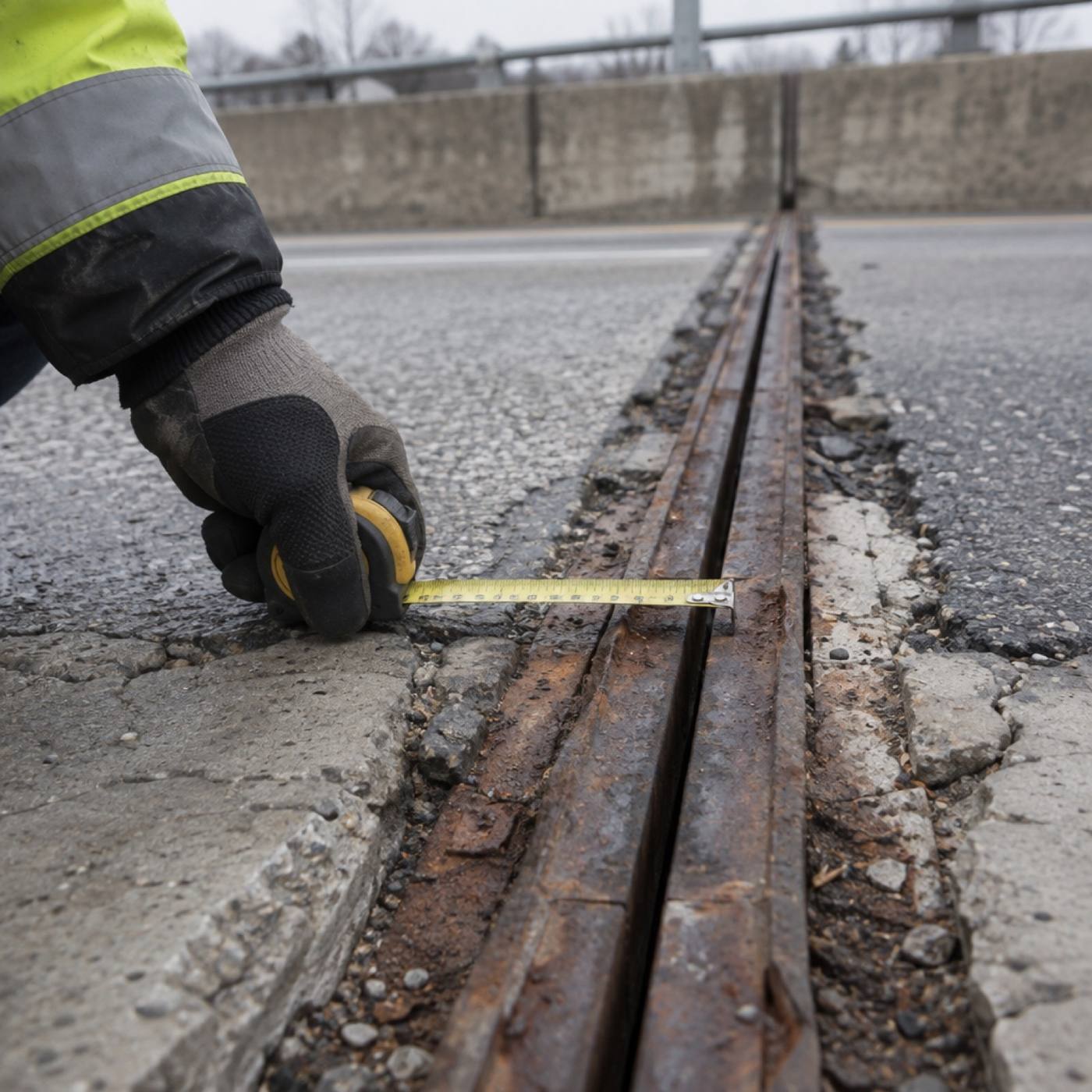
What we look at, and what we log
Cracking, spalling and standing water at the joints — the first place a hard winter shows up.
Rust, section loss and packed corrosion at the bearings, where movement is meant to happen freely.
Cracking in the concrete, movement at the abutment walls, and anything growing where it should not be.
What the creek is doing to the channel around the piers — undercutting, debris, changed flow after a flood.
Load limits, clearance warnings and the signs drivers depend on, checked for condition and legibility.
Field note 02 · Streets
Street work is scheduled around condition, drainage and the routes people use most. Every project moves through the same four steps, and each step is posted before it starts.
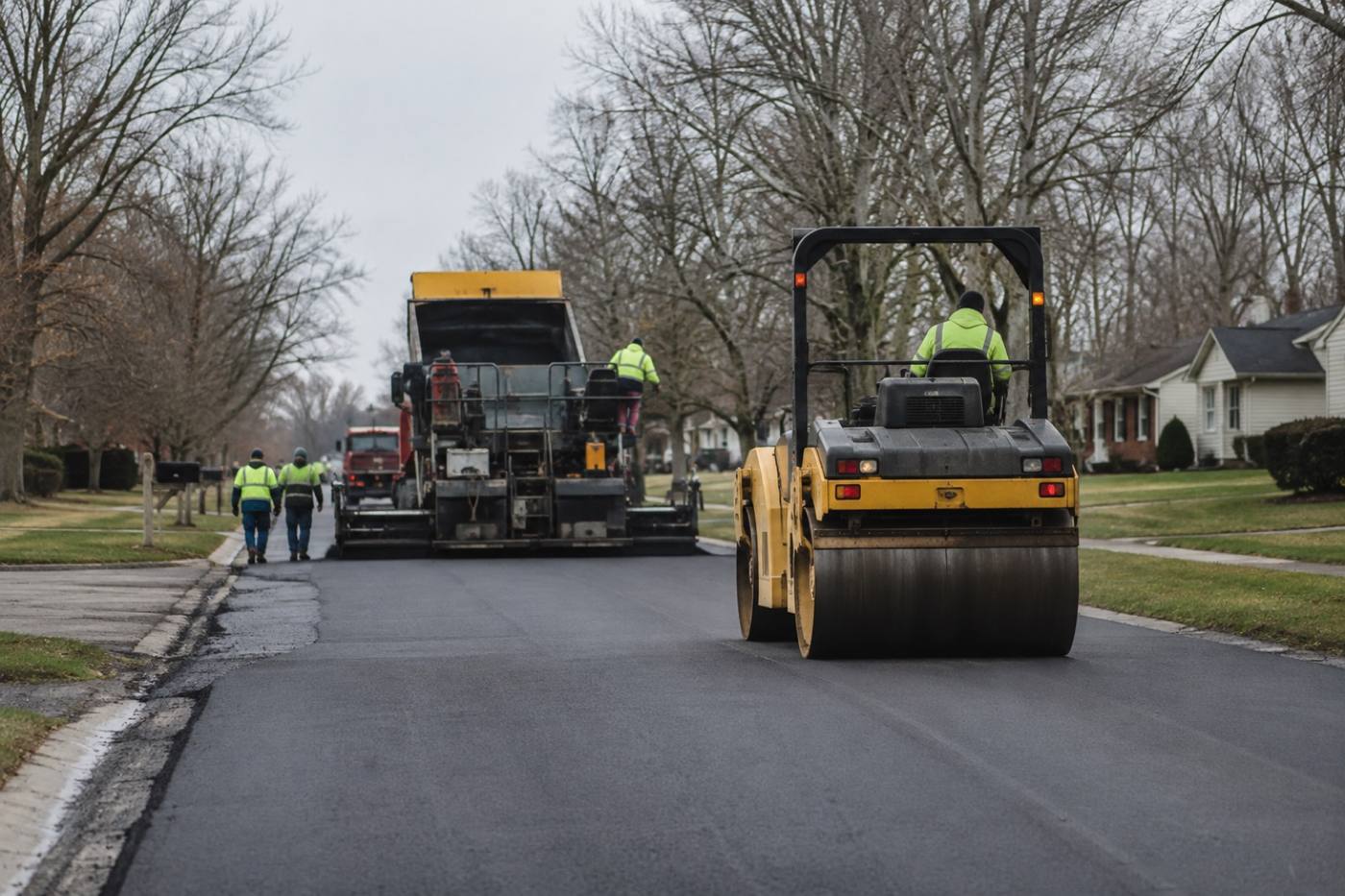
We walk the street, check drainage and measure what is there before anything is drawn up.
Water, sewer and gas lines are moved or protected before the surface is touched.
Paving, curbs and drainage go in, with driveway and pedestrian access kept open wherever it can be.
Line striping, signage and a final walk-through with the crew before the project is signed off.
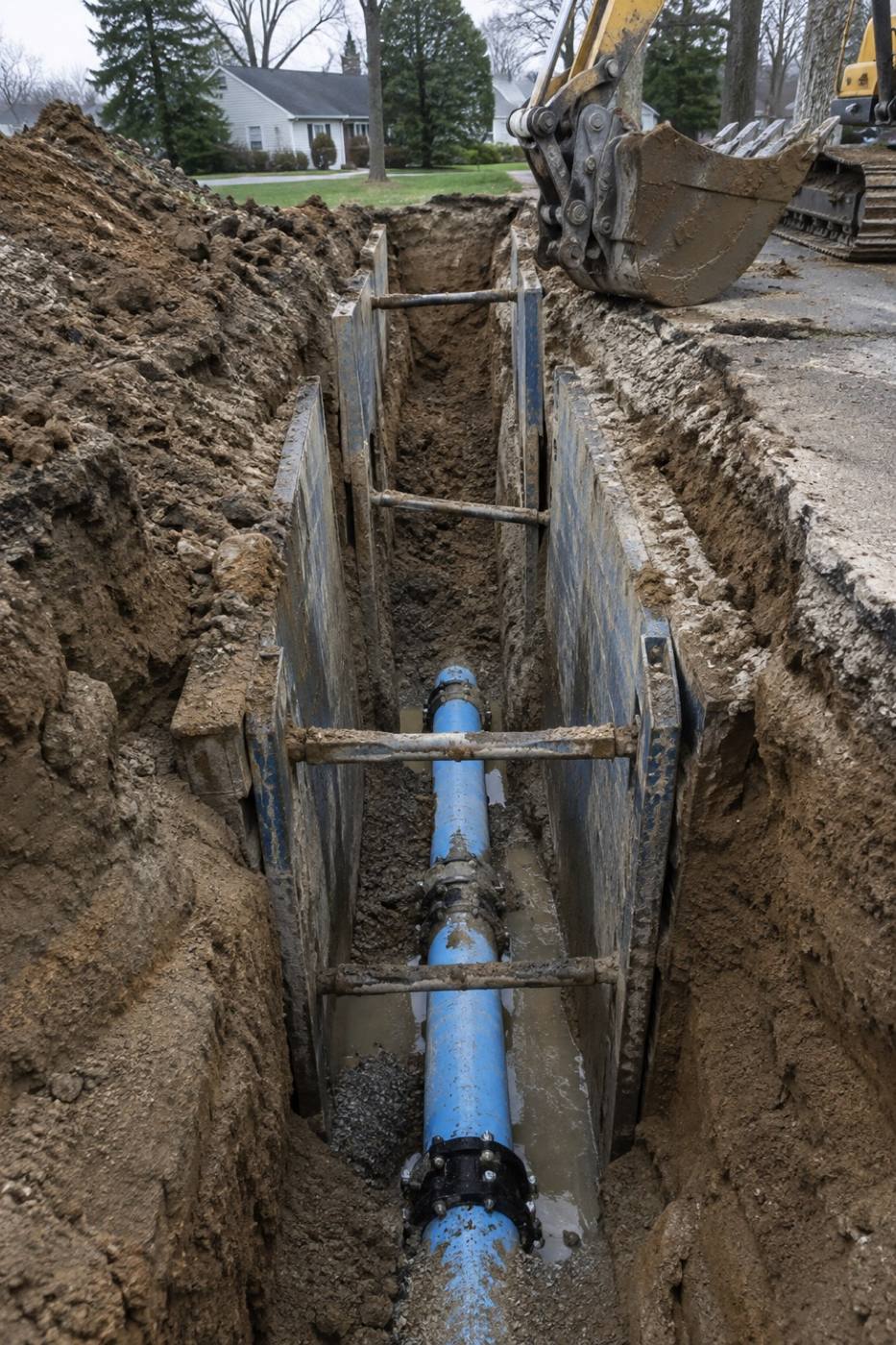
Field note 03 · Water
Older mains fail at the joints and at the valves. When a main is replaced, the work is staged so service stays on and the street is put back the way it was found.
Field note 04 · Capital plan
The capital plan is the list of bigger work — bridges, streets and mains — sorted into the seasons ahead. It comes out of field notes, not guesswork.
Inspections and field notes tell us where an asset stands. Three things get attention first: safety, service, and the cost of waiting another year.
Work is ranked by how many people depend on it and what happens if it fails — the culvert serving one lane and the main serving a whole block are weighed differently.
Not everything can happen in one season. Projects are grouped so crews, materials and street closures land in an order that keeps the town moving.
The plan is published, and the schedule is updated as each project moves from the list into the street.
Field note 05 · Construction updates
Updates go up as work moves — what is open, what is closed, and what the weather is doing to the schedule.
Snow plow routes are driven and re-driven, salt supplies are checked, and the equipment goes through its paces before the first storm.
Bridge and culvert inspections carry on wherever access is safe. Anything urgent is logged and scheduled for the thaw.
Pothole patching, catch basin clearing and water main checks start as soon as the ground allows it.
Street work resumes — crack sealing first, then resurfacing and water main replacements from the capital plan.