Infant care
The youngest at the table
Slow, responsive care for babies. We follow each child’s own rhythm for feeding, sleeping and moving, and keep the room calm enough that they can hear themselves think.
Asheville, North Carolina · Montessori preschool
Cedar & Sprout is a preschool in Asheville where parent education is part of the day, not an afterthought. The classrooms, the workshops and the long conversations about your child all happen around the same table.
Infant care · Toddler · Primary 3–6 · Summer camp · Parent workshops
Programs
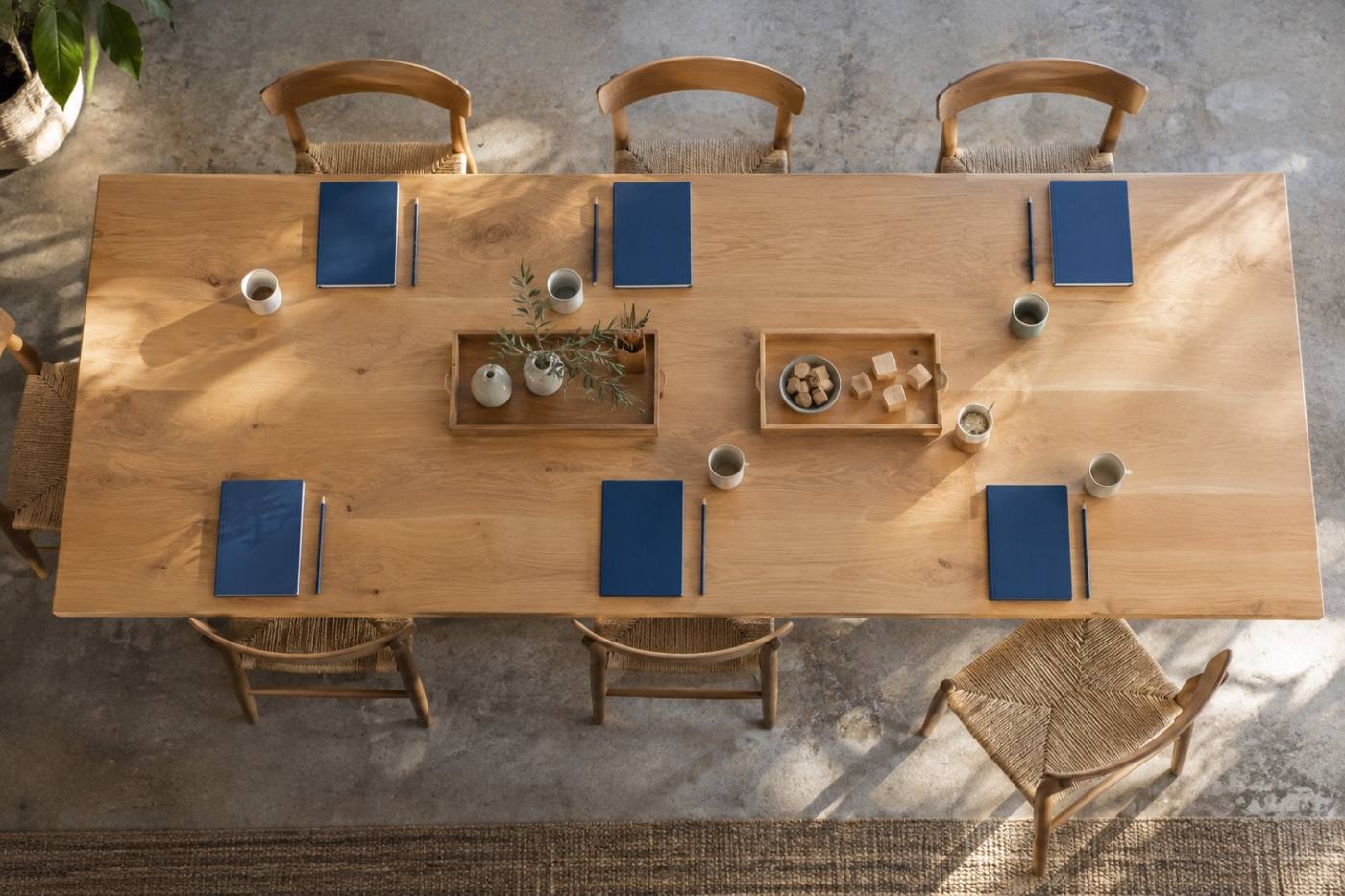
Every program here is a place setting: different tools, different ages, the same table — and the same idea. The child sets the pace, and we set the table so the work can happen.
The youngest at the table
Slow, responsive care for babies. We follow each child’s own rhythm for feeding, sleeping and moving, and keep the room calm enough that they can hear themselves think.
A room built at their height
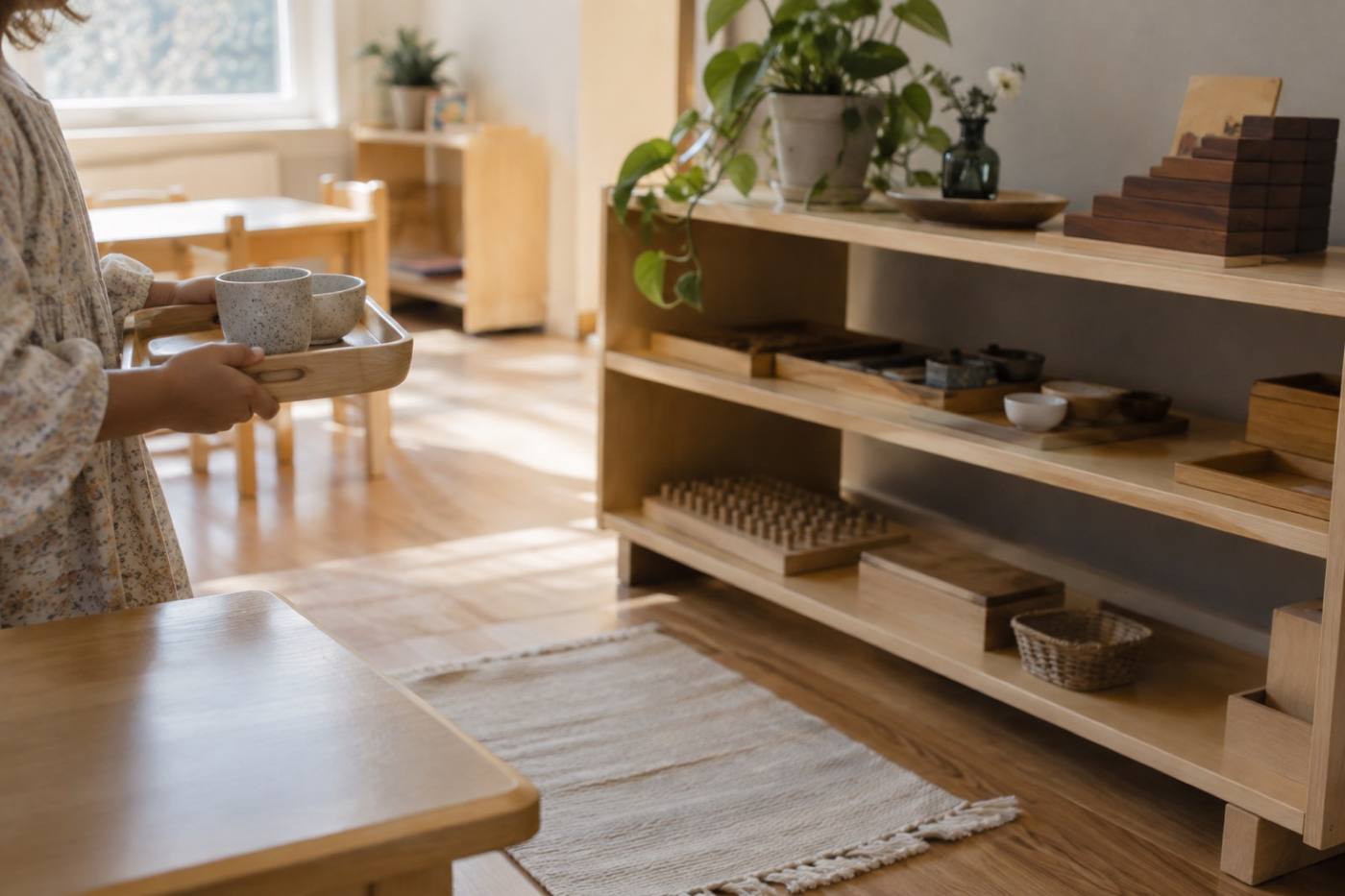
For the years when “I do it myself” is the entire curriculum. Low shelves, real pitchers, a place for everything — and adults who know when to step back and let it be hard.
Ages three to six
The mixed-age room where work gets long and concentration gets deep: language, number, practical life, and a great deal of time outdoors. Older children teach, younger ones watch, and both learn something.
Everyone back at one table
The same materials, more time outside, and every age mixed back together. Camp is where the whole school remembers it is one room with four corners.
The method
Montessori begins with observation. We watch what a child is drawn to, then prepare the room so that interest can go somewhere. Lessons are short, work time is long, and interruption is rare. It is the first thing visitors notice: how absorbed everyone is, and how little we say.
We plan the room around what we actually see children doing, not around a lesson schedule.
Ceramic pitchers, wooden trays, a cloth for the spill. Children handle the real thing, and they take care of it.
Three years together in the primary classroom. Older children teach, younger ones watch, and both learn something.
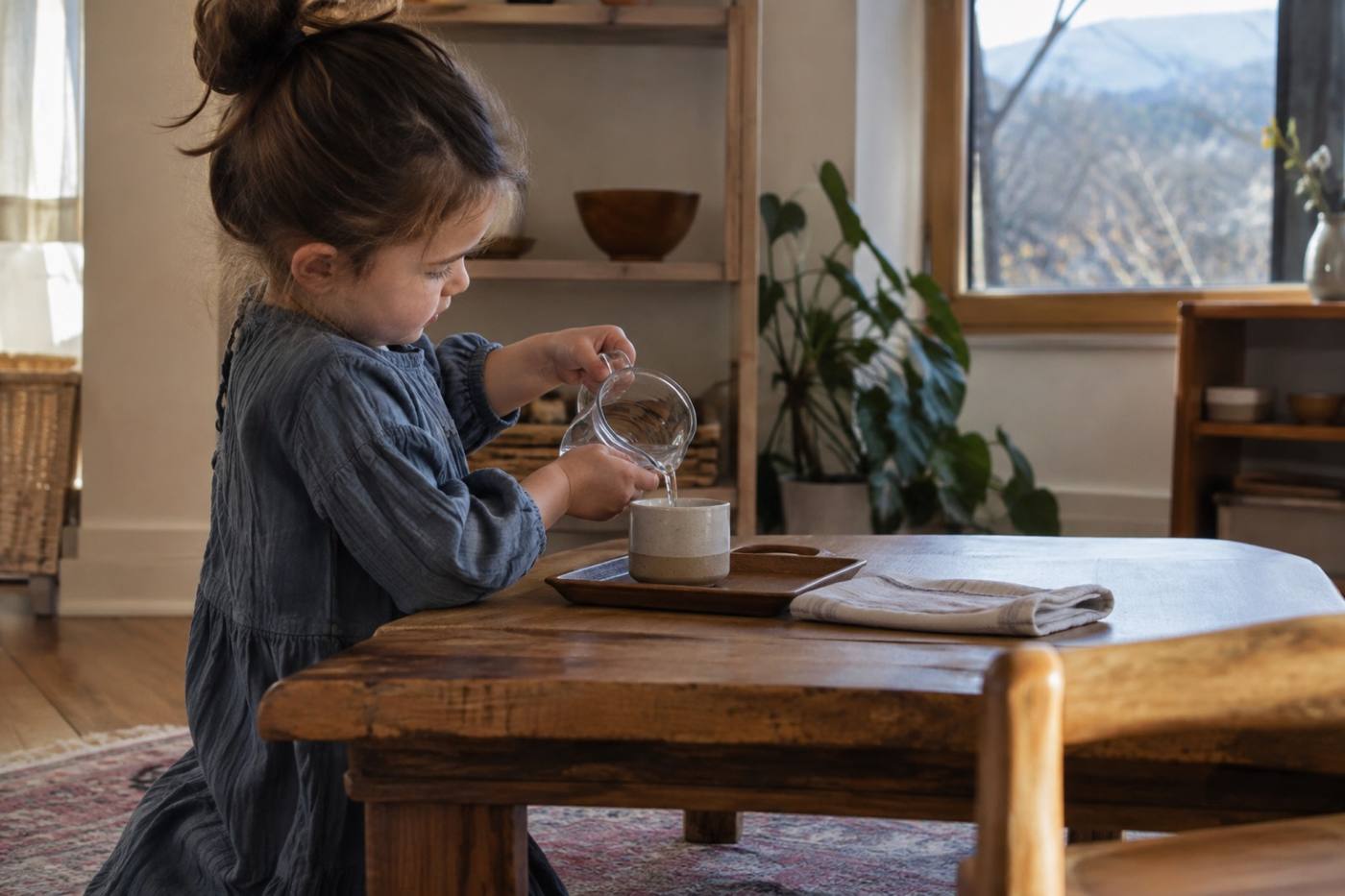
Real pitchers. Real wood. Children carry their own tray, pour their own water, clean up their own spill. Independence is not a reward we hand out at the end of the day — it is the method, and it starts with a table a child can reach.
Parent education
We run workshops for parents through the year, because the work does not stop at the classroom door. These are the themes we keep returning to with families — the ones that come up at bedtime.
Just things you can try at home, on a Tuesday, at the kitchen table.
What to look for in your child’s play, and how to tell the difference between needing help and needing space.
Small work, real tools, and a kitchen a child can genuinely use — without turning your evening into a project.
Setting up one room so a child can choose their own work and put it back without being asked. It starts with what you take out.
Signs of readiness, a plan with no pressure in it, and what to do on the days it does not go well.
Why one room holds three years of children, and what older and younger siblings quietly teach each other.
Words for the hard moments that do not shame anybody — your child or you.
Workshop evenings are open to enrolled families and to families still thinking about joining us. Ask what is coming up next.
Ask about a workshop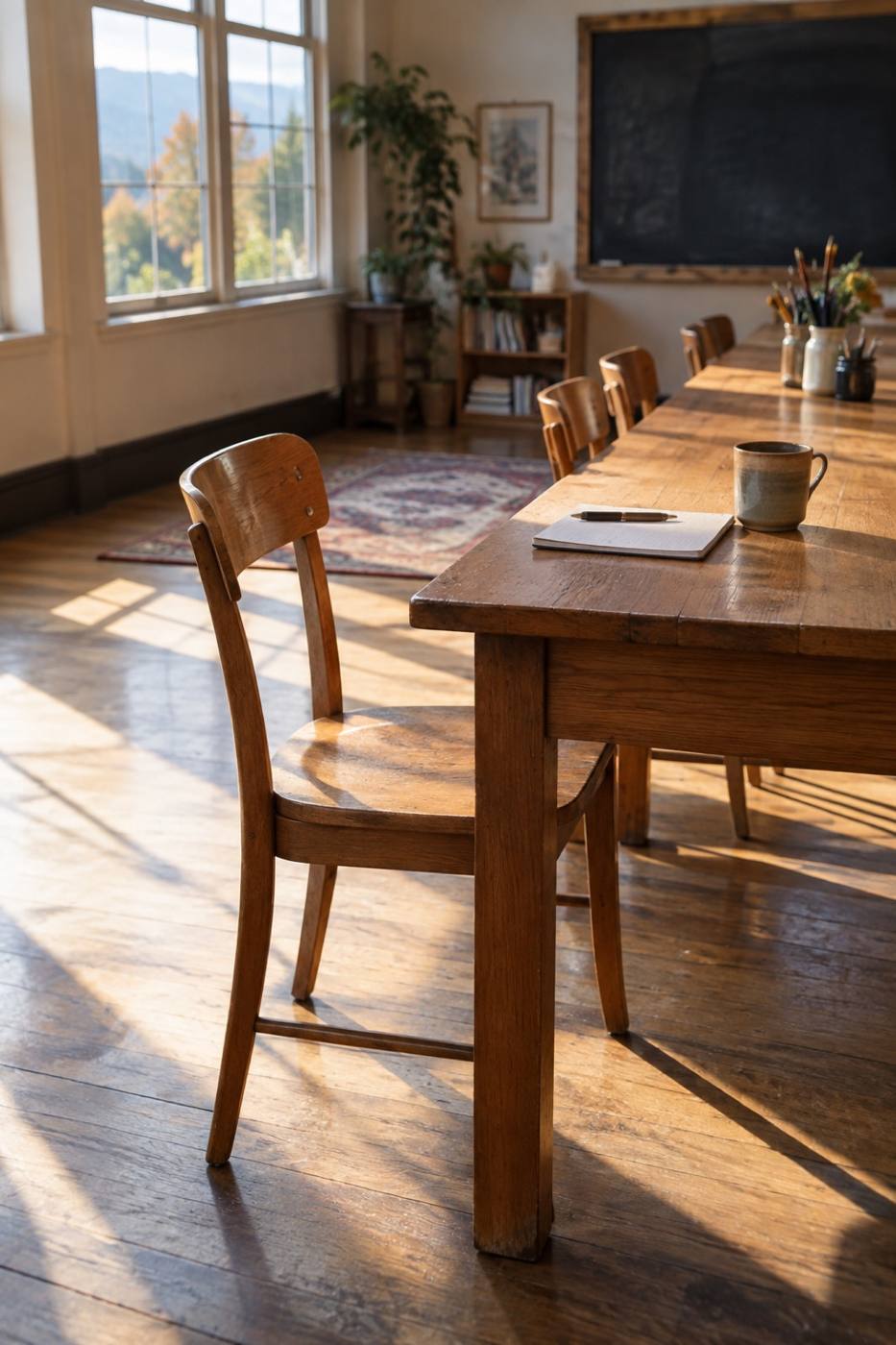
Enrollment
Tell us which seat you are asking about and a little about your child. We will follow up with next steps and a time to see the classroom.
Come and see the room first — that is the real test.