Commercial auto liability, cargo, physical damage, workers' comp, non-trucking liability and DOT compliance support — sorted for owner-operators and small fleets running out of West Texas.
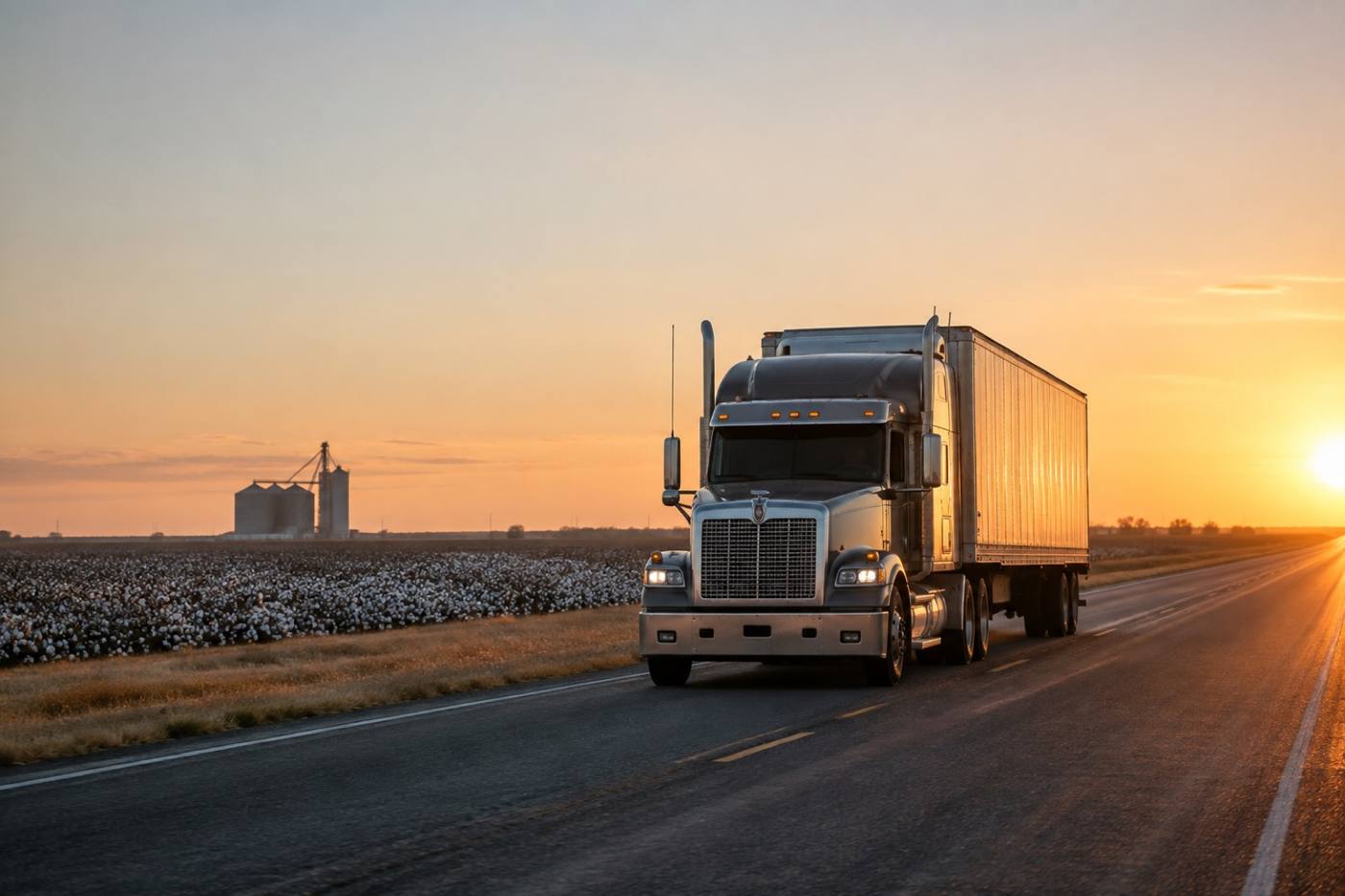
Photo desk — a loaded trailer heads north out of the South Plains before the heat builds.
If you run under your own authority, the coverage list is short but it is not simple. Each line answers a different question — what happens when your rig causes damage, when a shipper's load is lost, when the truck itself is out of service.
Tell the desk what you haul, where you run, and how many power units are on the roster. A coverage brief comes back in plain language: what is covered, what is not, and what still needs an answer before you roll.
No jargon, no runaround. Six coverages, one desk, and an answer written for a one-truck operation or a small fleet.
The coverage desk
Six briefs, one rig.
Every brief below is written for a one-truck operation or a small fleet: what the coverage responds to, and the question it answers before a load is tendered.
01 · Liability
Commercial auto liability
The foundation of the file. This is the liability coverage for the truck you run under your own authority — it responds when your rig causes injury or property damage to someone else on the road. It is also the certificate brokers and shippers ask about before a load is tendered.
02 · Cargo
Cargo coverage
The freight you are hauling, not the truck hauling it. Cargo coverage responds when a shipper's load is damaged, lost or stolen while it is in your care — and the load is often worth more than the trailer carrying it.
03 · Physical damage
Physical damage
Your truck, put back on the road. Collision, rollover, fire, theft: physical damage coverage is what keeps a one-truck operation from becoming a no-truck operation after a single bad morning.
04 · Workers' comp
Workers' comp
For fleets with drivers on payroll. Workers' comp responds to on-the-job injury and the medical and wage questions that follow it. Owner-operators running solo should ask how their own injuries are handled before a driver is added.
05 · Non-trucking
Non-trucking liability
The miles that are not under dispatch. The run to the shop, the trip to the yard, the errand between loads — non-trucking liability is built for the time your rig is on the road without a load under dispatch.
06 · Compliance
DOT compliance support
The paperwork side of authority. Compliance support covers the filings, records and certificate questions that sit alongside an active DOT number — registration, documentation, and what a carrier or auditor asks to see first.
Bulletin · DOT compliance
The paperwork side of authority.
DOT compliance support is the quiet half of running under your own authority. The desk keeps those questions on the record, so nothing about your filings gets lost between loads.
01
Authority paperwork
Registration and operating authority documents, kept straight and kept current as your operation changes.
02
Records and filings
Which records carriers and auditors ask for first, and how they should look when they ask.
03
Certificates for brokers
The certificates and filings shippers and brokers want in hand before a load is tendered.
04
Renewal questions
What to bring to the desk when a policy renews, and what has changed in between.
Bring your DOT number and your questions. The desk sorts the rest.
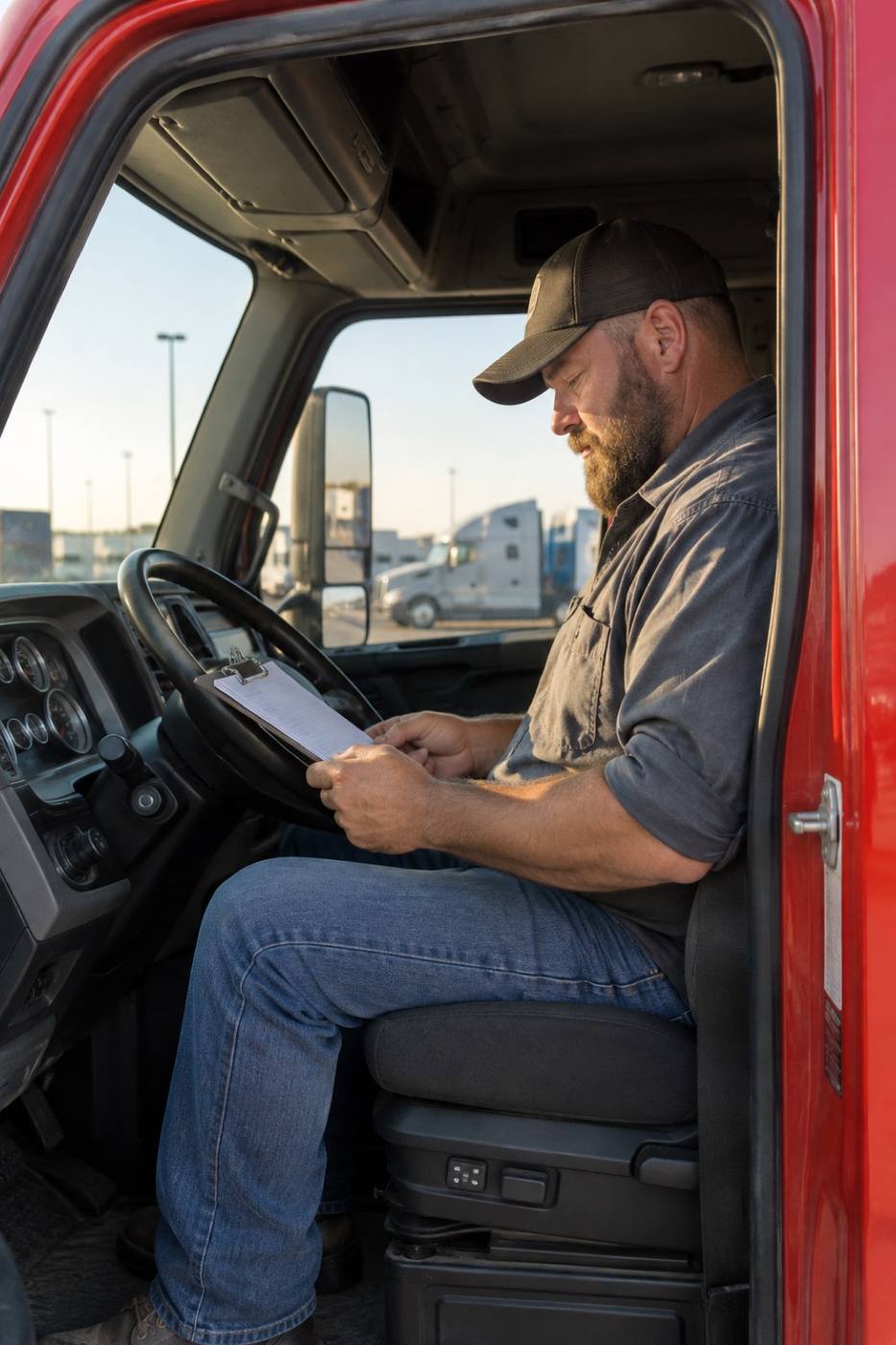
Photo desk — paperwork in the cab before a morning run.
Photo desk
From the yard.
The work behind a coverage brief: rigs in the row, loads on the deck, and the details the desk reads before it quotes an operation.
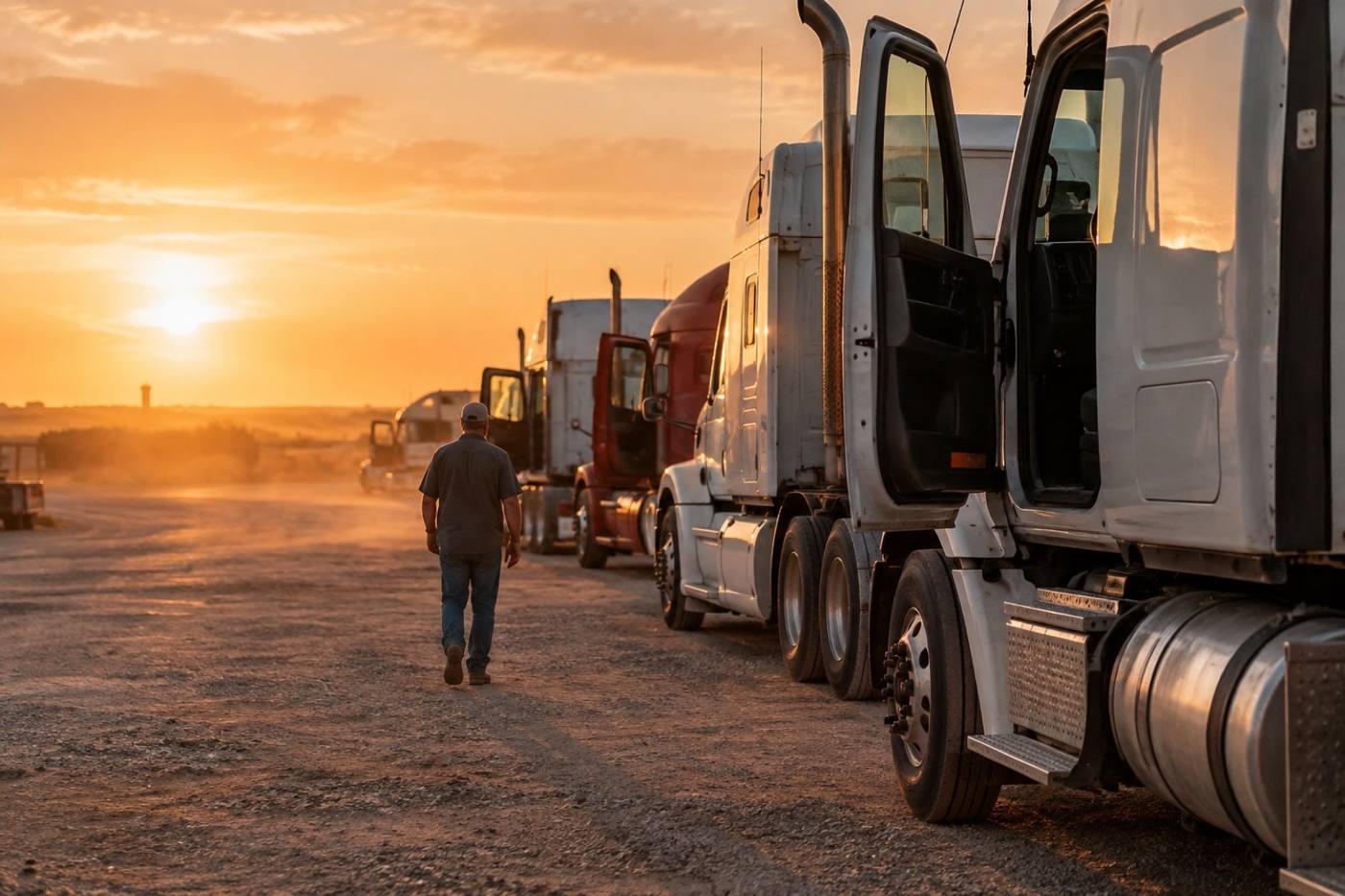
The row — power units staged before the next dispatch out of Lubbock.
How a rig gets read
The desk reads the operation before it quotes: what you haul, how far from home the trucks run, how many power units are on the roster, and who is driving them.
Two trucks that look alike can price differently depending on the operation around them — which is why the brief starts with your route.
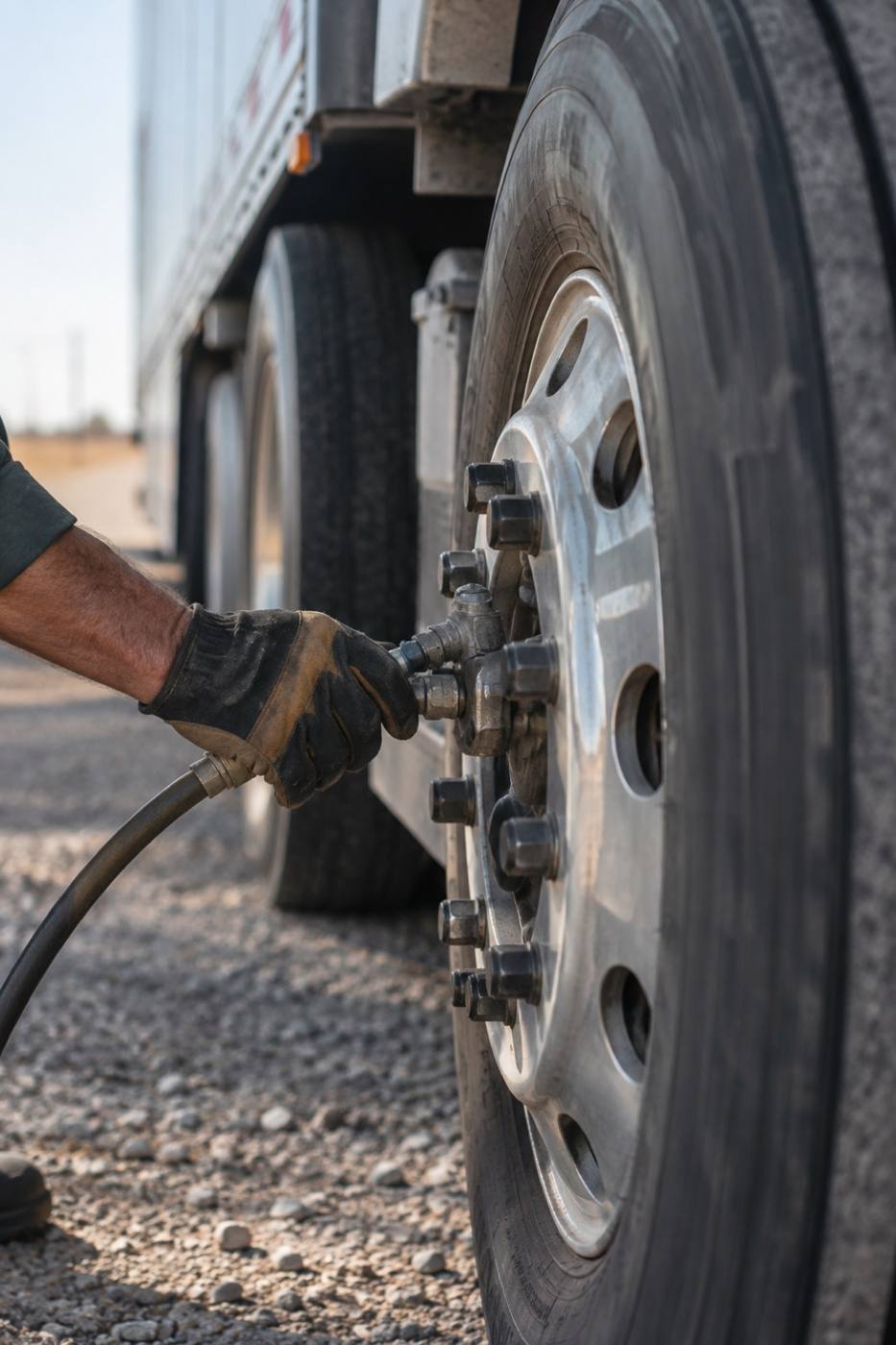
Pre-trip — the details that decide how a rig gets rated.
From the desk
Six coverages. One desk. A brief written for your operation.
Classifieds
File your route.
Send the details of your operation and the desk returns a coverage brief — commercial auto liability, cargo, physical damage, workers' comp, non-trucking liability and DOT compliance support, lined up side by side.