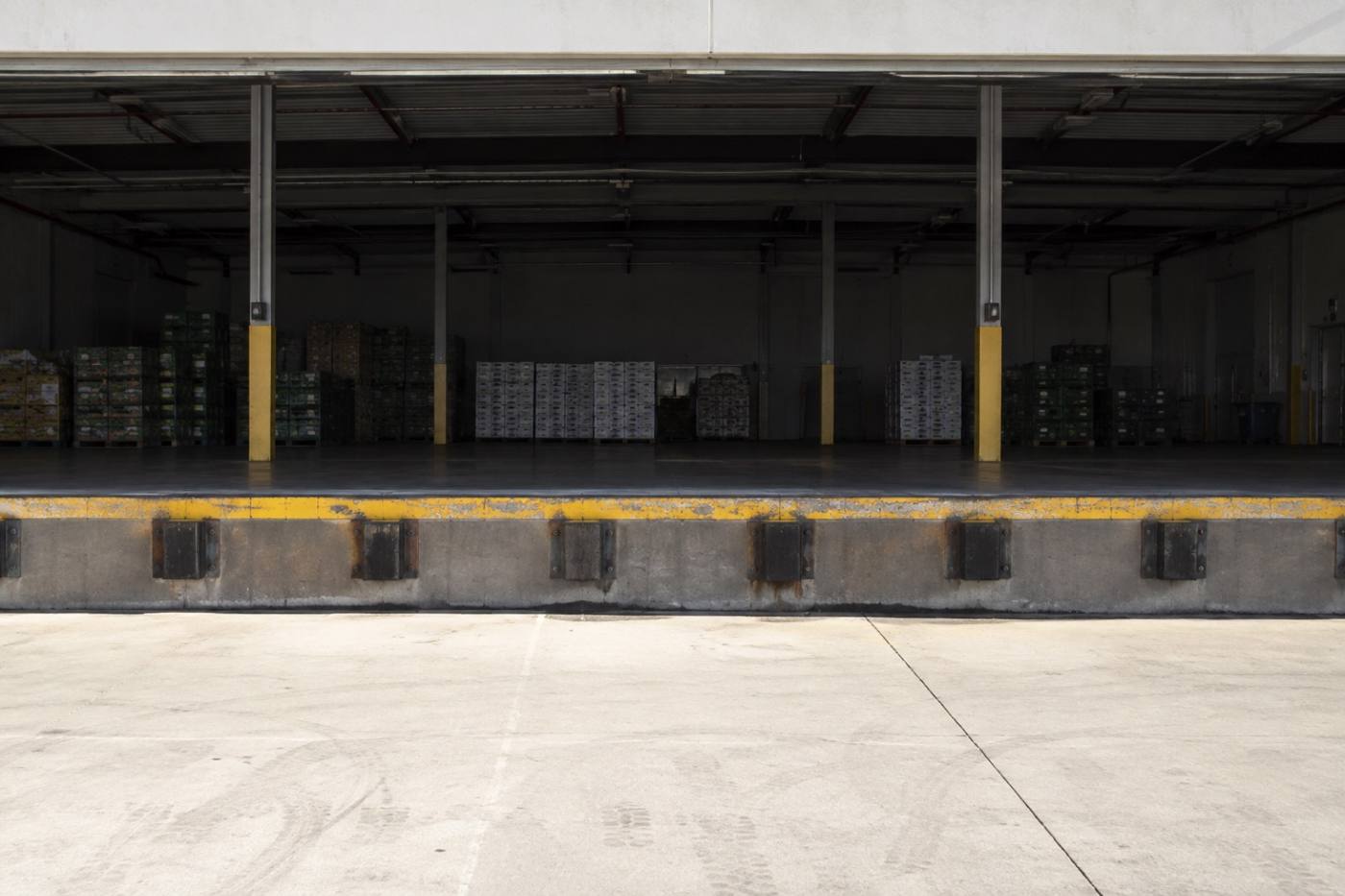
Cold-chain telemetry — Fresno, California
Follow a pallet through your building.
You already know where things go wrong. We just put a number on it.
- 01Receiving
- 02Cold hold
- 03Staging
- 04Load-out
Cold-chain telemetry — Fresno, California
You already know where things go wrong. We just put a number on it.
The route
Most sensor projects start with a spec sheet. Start with your building instead — four places, in the order a pallet hits them. You buy the stop, not the SKU, and every piece of hardware has one job at one address.
Walkthrough
Three stops inside the building, in order. Each one is a place you can point at from the office door.
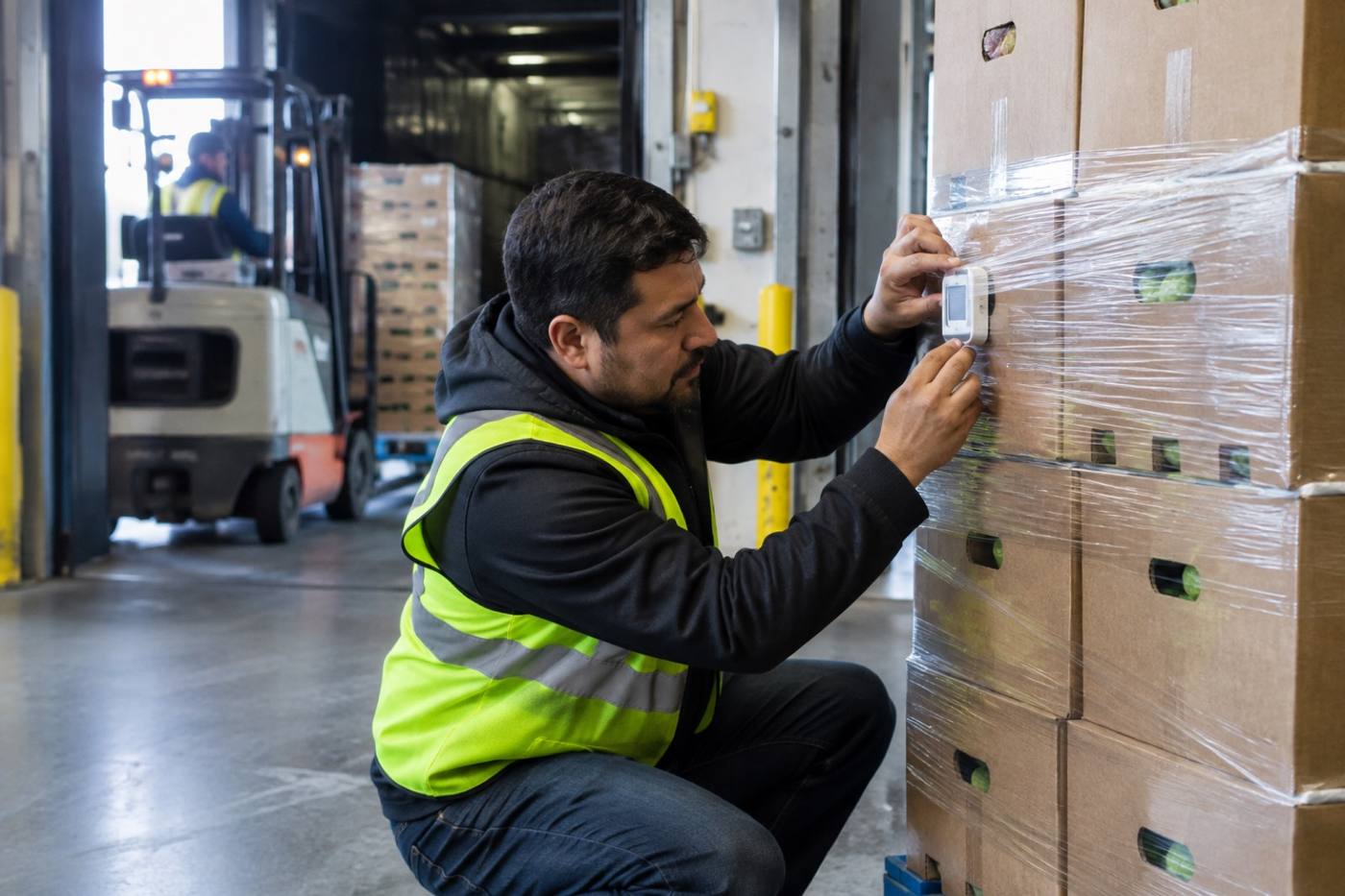
Stop 01 — Receiving
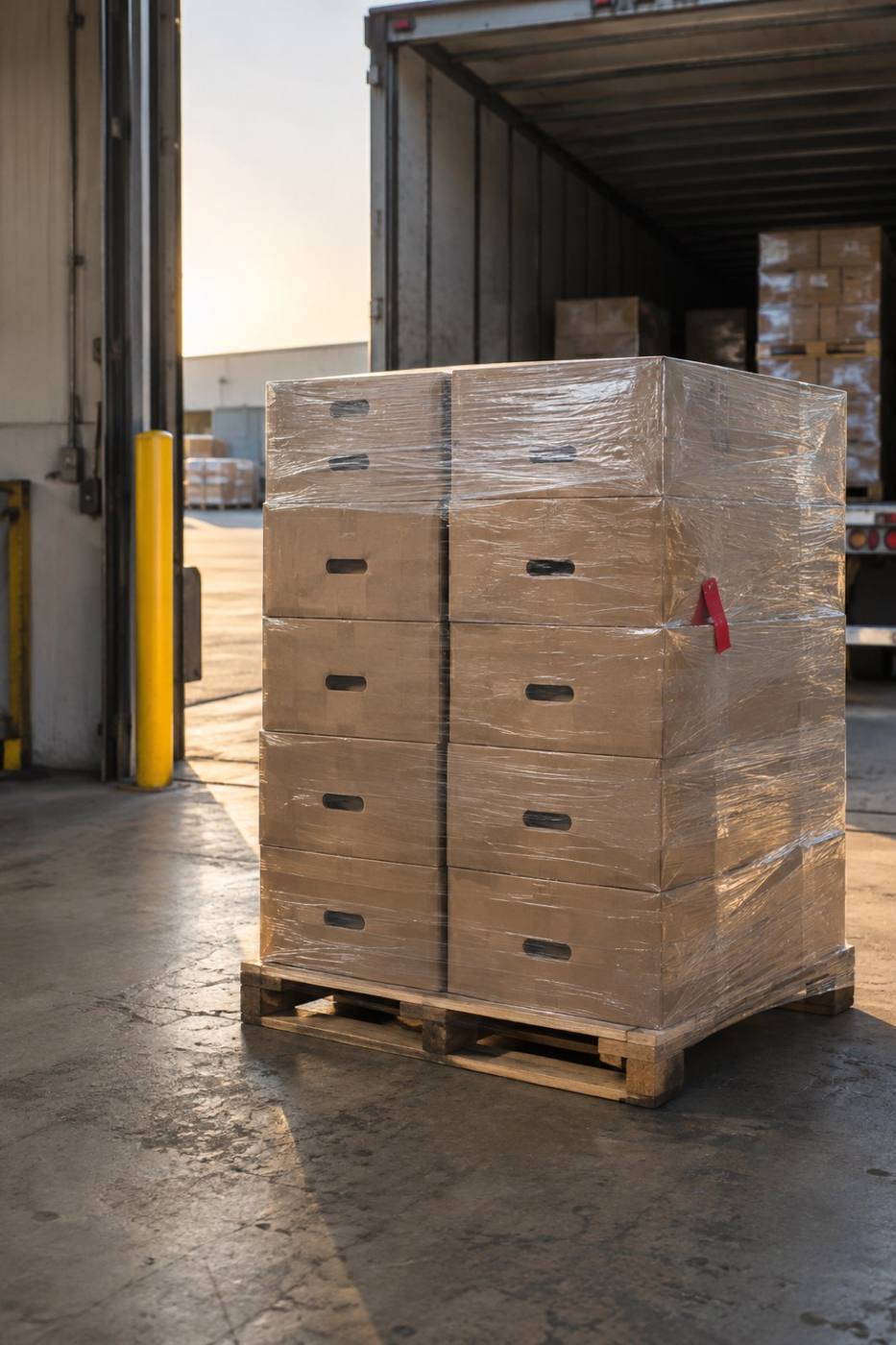
A trailer backs in and the clock starts. Before the pallet moves, a logger goes on the load — on the load, not the wall. From that second on, every temperature that pallet sees is on the record, and nobody has to argue about what happened between the field and your dock.
Send a logger back for calibration on a schedule you set, so the paperwork on your side stays current without a scramble.
Sealed units that ride with the load and keep the record for the whole trip.
Recurring calibration on a schedule you pick, filed against the unit so the history stays with it.
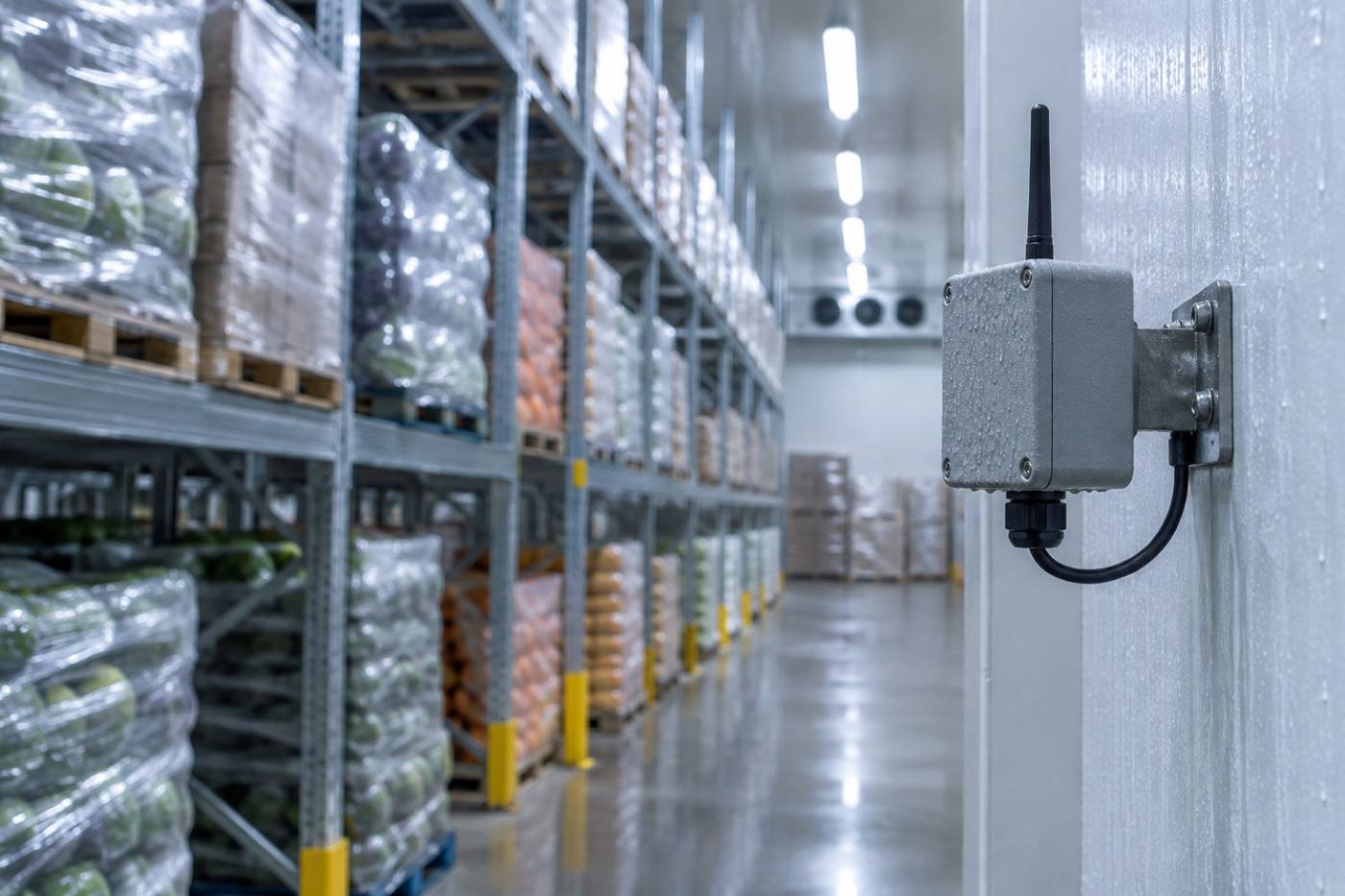
Stop 02 — Cold hold
The racks don't move, so the sensor doesn't either. A gateway bolted where it can see the aisle picks up every logger in range and pushes the reading off the floor — no clipboard walk, and no door standing open at two in the morning that nobody hears about until the morning.
Fixed receivers, one per room, that pull every logger in range and send it up without a laptop.
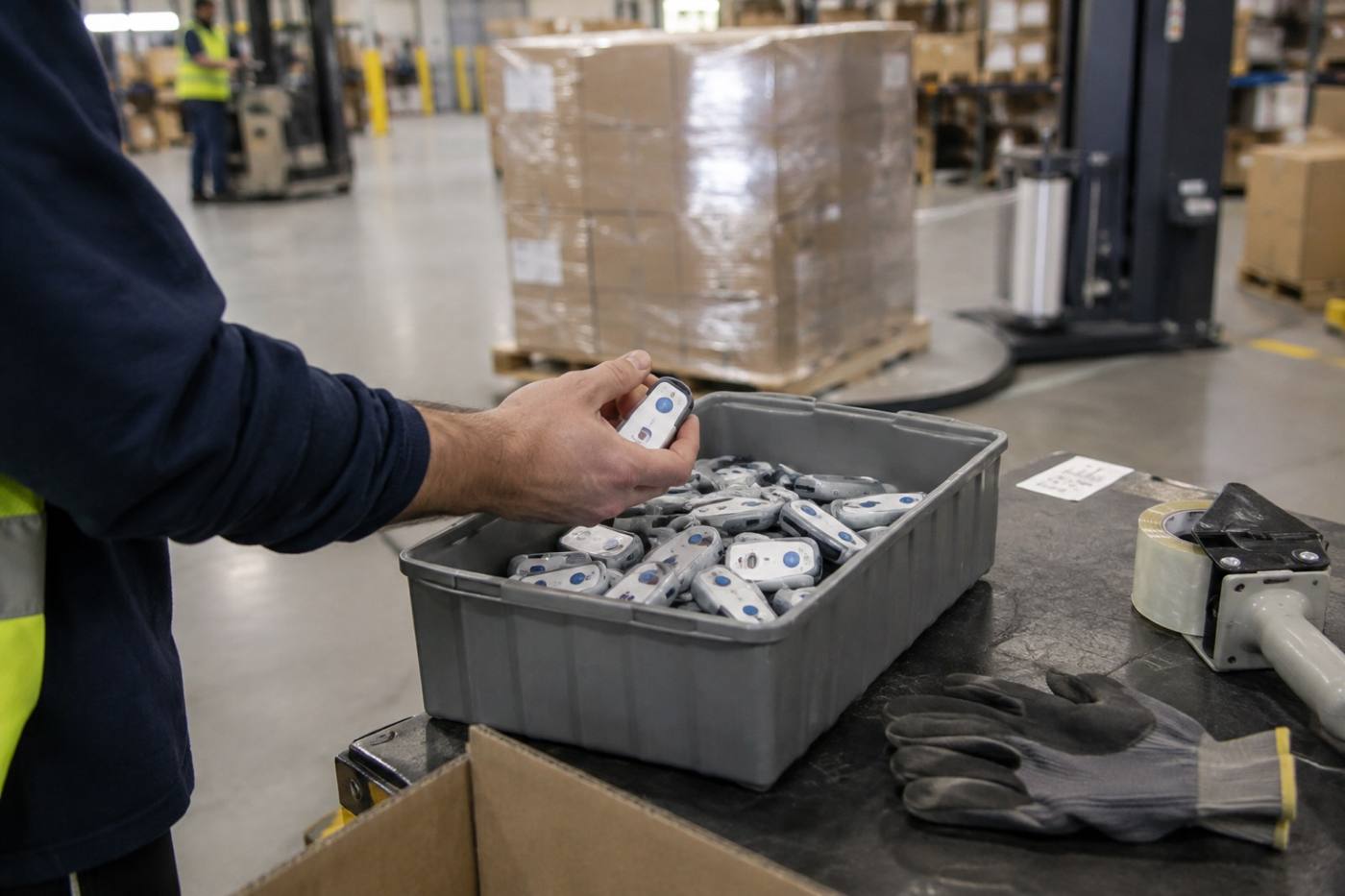
Stop 03 — Staging and wrap
Pallets get broken down, rebuilt, re-wrapped, and half the sensors walk off in a vest pocket. So buy them by the pack, not the pair. Keep a bin at the wrap station and pull one whenever a load gets rebuilt — when the backup box is two steps away, nobody skips the step.
Loggers by the pack, sized for a full season of pallets rather than a pilot.
Stop 04 — Load-out
Load-out is where the record stops being a guess. Every pallet carrying a logger turns into a line you can watch, and the whole run stays on file for the day a customer calls about a load.
One screen for the lanes you run. Set the limits once and the dashboard raises its hand before the receiver does.
Pull readings straight into the systems you already run, on your own schedule, without re-typing anything.
Start at your own dock
Give us your floor plan — the cold rooms, the lanes, where the pallets sit and where they leave — and we'll put a kit together around it. Loggers and gateways sized to what you actually run, dashboard lanes named the way your people name them, calibration on a schedule that doesn't land in the middle of your season.